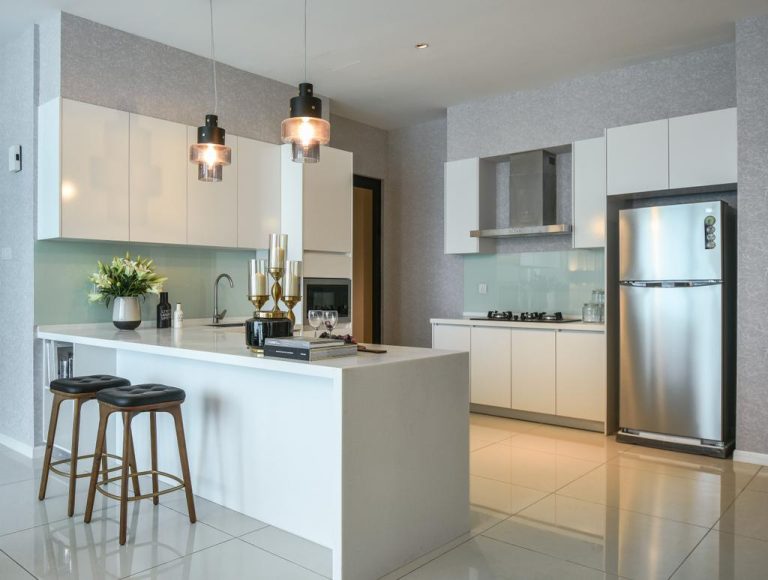

Kitchen renovation does not always mean replacing everything. Many homeowners think they need a full rebuild when the kitchen starts to look old or worn out. In reality, there is a simpler and more practical option called kitchen cabinet refacing.
This method helps you upgrade the look of your kitchen without removing the entire cabinet structure. It saves time, reduces cost, and still gives your kitchen a fresh and modern appearance
What Is Kitchen Cabinet Refacing?

Kitchen cabinet refacing is about replacing the cabinet skin panels and giving your kitchen a new look. After removing cabinet doors and drawer fronts, it applies a new veneer over the existing surface.
Kitchen cabinet refacing can also involve hardware replacements, such as drawer pulls, hinges, and handles. The upside is that the old cabinet boxes stay in place, and you don't have to worry about custom sizing or building time.
They are repaired to match the surface material or new doors. Refaced kitchen cabinets can have a brand-new look and give your kitchen a completely fresh look.
Evaluating Kitchen Cabinets for Refacing

Kitchen cabinet refacing may be a good option to refresh the look of your kitchen, but only some kitchen cabinets are candidates for refacing. It doesn't mean that your old kitchen cabinet are in bad shape; it is just because older kitchen cabinet boxes have sturdier construction than newer ones.
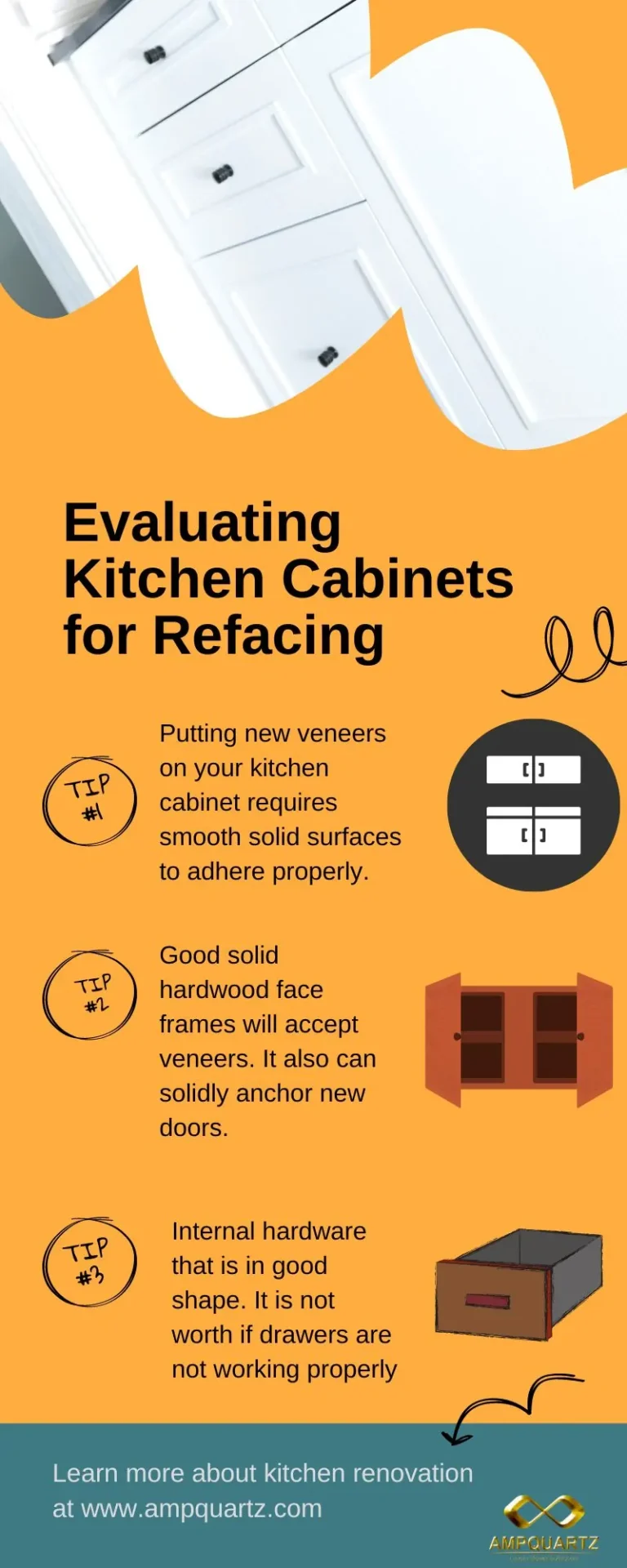
Kitchen cabinets that are applicable for refacing should have the following elements:
- Sturdy box construction made of plywood is smooth and in good condition. Putting new veneers on your kitchen cabinet requires smooth solid surfaces to adhere properly.
- Good solid hardwood face frames will accept veneers. It also can solidly anchor new doors.
- Internal hardware that is in good shape. If the drawers do not operate smoothly or the cabinets lack shelving or storage accessories, the expense of the kitchen cabinet refacing may not be worth it.
Refacing Kitchen Cabinet #1 - If You Like Your Kitchen Layout

Refacing your kitchen cabinet can bring a fresh new style, color, and finish to your kitchen space, but it's best for those who are happy with the room's existing layout.
If you intend to change the floor plan and cabinet locations, even the best kitchen cabinets might need to be moved around. To get good results, your existing kitchen cabinets should be in decent shape, with only a few cosmetic dents and chips.
If your kitchen cabinets have structural damage or defects, they can't be refaced, and you will need to replace them.
Refacing Kitchen Cabinet #2 - Do Some Research To Find The Right Material
Video Credit: Cabinet Refacing To Go
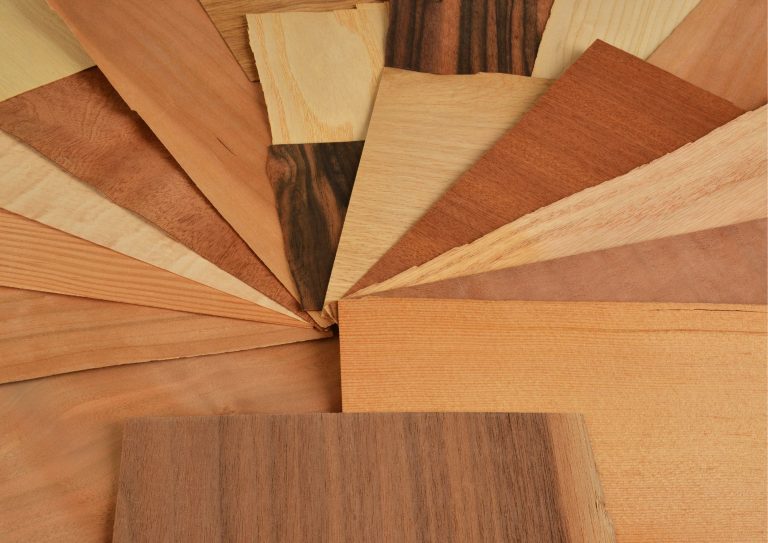
You can find veneers at home centers, but you can find the broadest selection of wood species through internet searches. Most online shops selling veneers have hundreds of species to choose from.
Most homeowners acquire doors and drawer fronts from a cabinetmaker, though they are also available for purchase on various online shops. No matter where you buy it, try to buy the veneer and door or drawer fronts from the same vendor so that the wood grains will match perfectly.
Also, you want to ensure that you take precise measurements of your existing cabinet doors and drawer fronts before ordering replacements.
Refacing Kitchen Cabinet #3 - Less Expensive Than Replacing

The cost of kitchen cabinet refacing can be lower than replacing them. Normally, it can be done for less than half the cost of a total cabinet replacement.
“Although high-quality veneers can be expensive, you will not require a large amount of material.”
The doors and drawer fronts will be the most significant expenses in refacing the kitchen cabinet. The expenses depend on species, style, and size.
Refacing Kitchen Cabinet #4 - Variety Material To Work With

There are several types of materials to use for refacing kitchen cabinets. Veneers can come either in a raw state that requires finishing and staining after installation or pre-finish. There are three basic options you can choose from
- Non-adhesive rolls need to be installed with contact cement: Although it can get a little messy, the installer gets to choose the cement. The bond will last the lifetime of the cabinet if high-quality cement is used.
- Peel-and-stick adhesive (PSA) rolls with the adhesive that has been placed on the back of the veneer: This is a more straightforward process, but the quality of the glue cannot be guaranteed.
- ⅛-inch plywood sheets that attach with wood glue and nails for the ends of cabinets: This option is more sturdy and durable, but it tends to be more expensive than a thin roll of veneer.
The easiest way to trim veneer to size is using utility knives and flush-trim router bits. A sharp craft knife is also a good option. You can break a sheet down to a rough size using scissors, a razor, or a router to trim it to the perfect fit.
You can use different materials to build drawer fronts and doors. The most popular materials are oak and maple . But you want to ensure that the species and finish match the veneers.
You can find a variety of different finishes for your hardware, and hinges come in a variety of different finishes. It includes chrome, stainless steel, bronze, and brass. You will want to choose one that accents your finished product perfectly.
Benefits of Kitchen Cabinet Refacing
1. More Affordable Than Full Replacement
One of the biggest reasons homeowners choose cabinet refacing is the cost savings. Instead of removing everything and building a new cabinet system from scratch, you only upgrade the visible parts. This reduces material cost, labour cost, and disposal cost.
It is especially helpful for homeowners who want a kitchen upgrade but do not want to overspend on a full renovation. You still get a refreshed kitchen look without paying for unnecessary structural work.
2. Faster Renovation Time
A full kitchen renovation can take weeks because it involves demolition, rebuilding, wiring adjustments, and installation. Cabinet refacing is much faster because the main cabinet structure stays in place.
Most of the work focuses on replacing doors, drawer fronts, and surface finishes. This means less waiting time and quicker completion. For families who still need to use the kitchen daily, this is a big advantage because disruption is kept to a minimum.
3. Less Mess and Disruption
Renovation work often brings dust, noise, and inconvenience. With full cabinet replacement, the kitchen usually becomes unusable for a long period.
Cabinet refacing avoids most of this disruption. Since there is no major demolition, there is less dust spreading around the house. The process is also more controlled, so homeowners can continue their daily routine with less stress.
This is especially useful for families with children or elderly members at home.
4. Fresh and Modern Look
Even if the cabinet structure is old, the appearance can be completely transformed through refacing. New door designs, modern finishes, and updated colours can change the entire feel of the kitchen.
Many homeowners are surprised that such a simple change can make the kitchen look brand new again. It also allows you to follow current design trends without rebuilding the whole space.
You can move from an outdated look to a clean, modern, and more stylish kitchen with minimal effort.
A Simple and Smart Way to Upgrade Your Kitchen
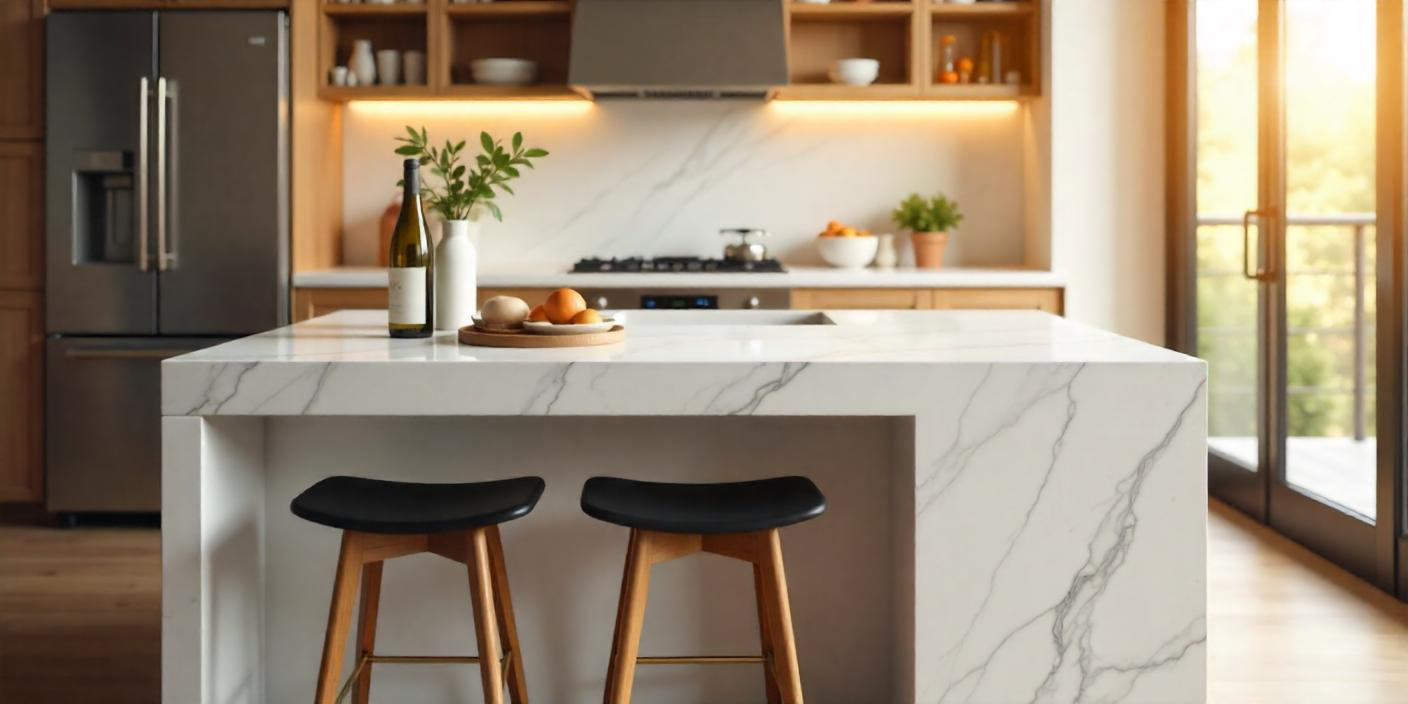
Kitchen cabinet refacing is a simple way to improve the look of your kitchen without going through a full renovation process. It helps save money, reduces renovation time, and still gives your kitchen a clean and updated appearance.
For many homeowners, it is a balanced solution between cost, convenience, and design improvement.

FAQ: Kitchen Cabinet Refacing
Kitchen cabinet refacing means upgrading the visible parts of your existing cabinets, such as doors, drawer fronts, handles, and surface finishes. The cabinet structure stays the same as long as it is still strong and in good condition. It is a practical way to refresh the kitchen without full demolition.
The price depends on material choice, kitchen size, and design requirements. In general, refacing is more affordable than full cabinet replacement because you are reusing the existing structure. In Malaysia, most homeowners can expect pricing to vary depending on finishes and layout complexity, so a site measurement is needed for an accurate quotation.
Yes, it is usually cheaper. Since the internal cabinet framework is not rebuilt, you save on material, labour, and demolition costs. It is a good option for homeowners who want a visible upgrade but still want to control renovation budget.
Most cabinet refacing projects are completed faster than full renovation work. Because there is no major hacking or rebuilding involved, installation time is shorter. The exact timeline depends on kitchen size and design details, but it is generally a quicker renovation option.
Yes. The condition of your current cabinet structure is very important. If the framework is still stable and free from serious damage like water swelling or termite issues, refacing can work well. If the structure is weak, a full replacement may be recommended instead.
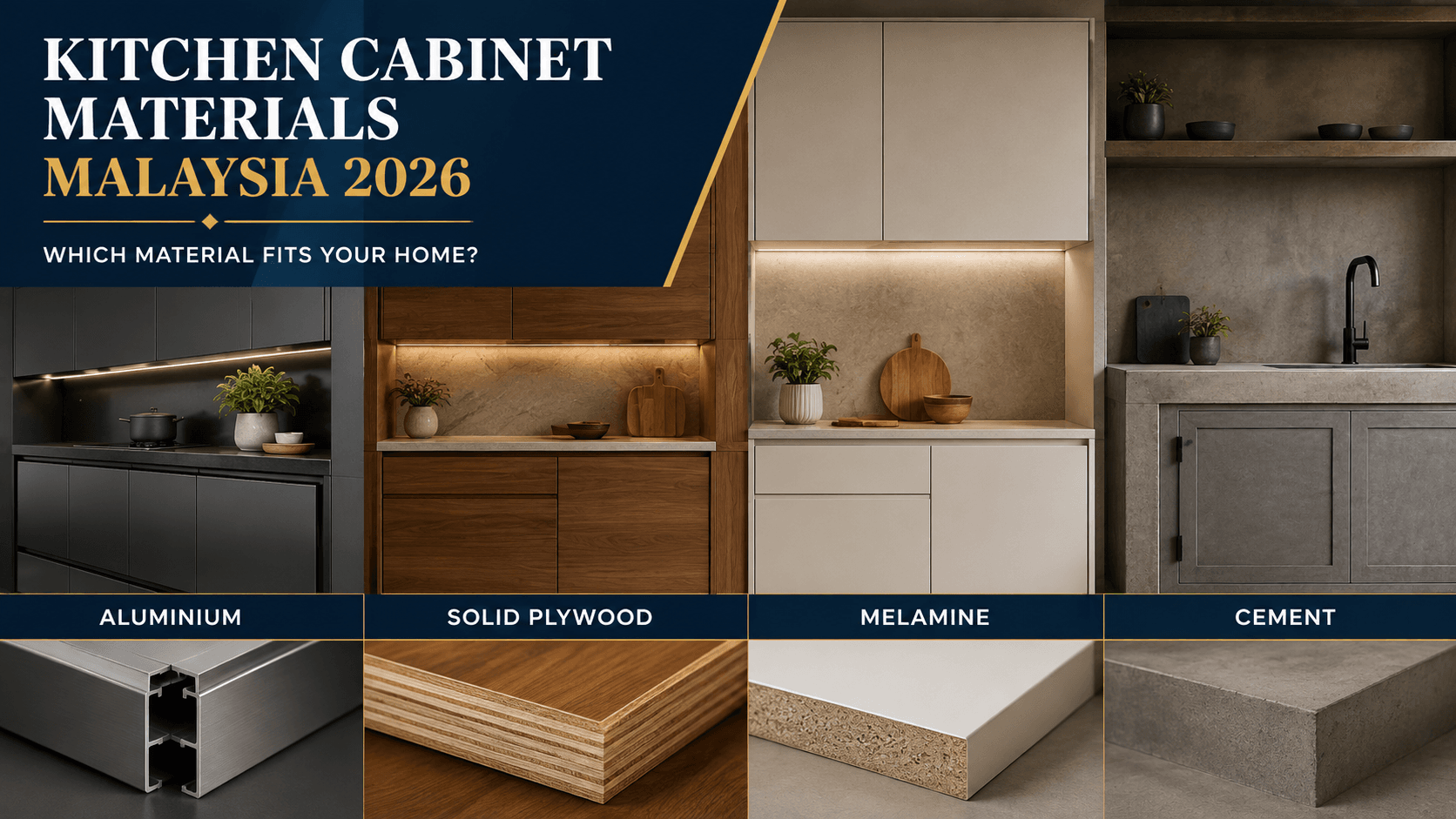
Common materials include plywood-based finishes, aluminium surfaces for higher durability, and modern laminates or coatings for design upgrades. The choice depends on usage area, budget, and how long you want the cabinets to last. Wet kitchen areas usually require more water-resistant materials for better durability.