
Planning a kitchen renovation in Malaysia can feel incredibly exciting at first, but it can quickly turn into an overwhelming process for families. It is quite common for Malaysian parents to overlook crucial details and make mistakes when trying to build their dream kitchen.
While most homeowners diligently budget for obvious essentials like custom cabinets, countertops, and appliances, the true final price is often driven up by small decisions and site-specific hidden costs.
If you are planning to upgrade your family’s cooking space, here are the hidden renovation costs you need to prepare for:
1. Electrical and Wiring Stuff You Didn’t Plan For
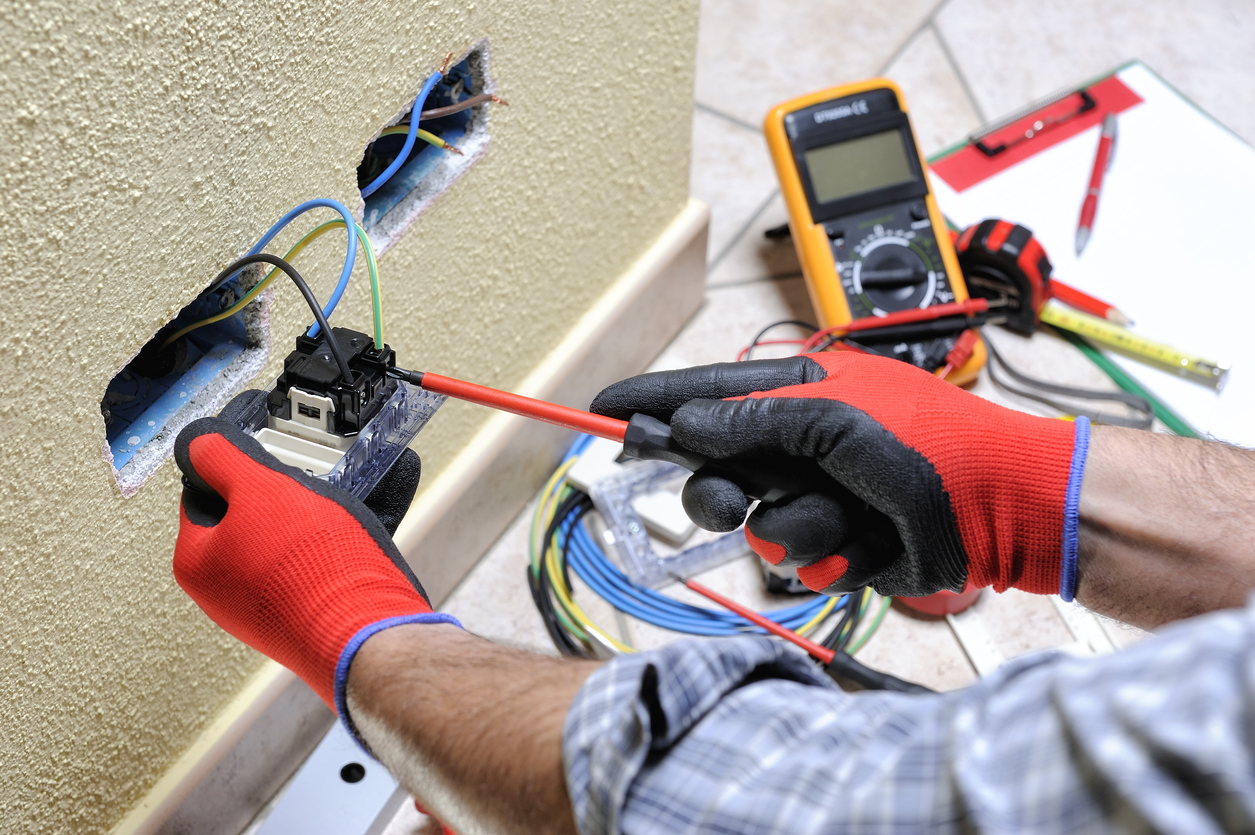
Image Credit: Just-In Time Electrical
Modern kitchens use more electricity than older homes were built for. Once you start adding appliances like oven, hood, microwave, air fryer station or induction cooker, the old wiring system often cannot fully support the load safely.
In Malaysia, many older houses still use basic wiring designed for simple lighting and fans. When renovation starts, electricians may recommend upgrading for safety and stability.
Typical upgrades include:
- Adding extra power points for countertop appliances
- Installing dedicated wiring for oven or induction hob
- Upgrading DB box to handle higher load
- Replacing old concealed wiring in walls
Estimated costs:
- Power point: RM150–RM280 each
- DB box upgrade: RM3,500–RM7,000
- Full rewiring: RM3,500–RM10,000+
What many families don’t realise is that this is not optional in some cases. If the electrician finds overloaded circuits, they will strongly advise upgrading before installation continues. Skipping this can lead to tripping power, overheating, or even safety risks during heavy cooking use.
2. Plumbing Changes That Become More Complicated
.2406240827501.jpg "Kitchen Cabinet Johor Bahru")
Image Credit: Bayside Comfort
Kitchen plumbing looks simple from outside, but once renovation starts, it becomes one of the most sensitive parts of the project.
Even small changes like shifting the sink a few feet can trigger a chain of work behind the wall and under the floor.
Common situations include:
- Sink position change requiring pipe rerouting
- Installation of dishwasher needing new water inlet and drainage
- Old pipe replacement due to corrosion or leaks
- Floor hacking to access hidden plumbing lines
Estimated costs:
- Basic rerouting: RM3,500–RM8,000
- Full plumbing overhaul: RM12,000–RM28,000
- Drainage restructuring: up to RM15,000
In many older Malaysian homes, pipes are already decades old. Once exposed during renovation, contractors often recommend replacing them instead of “patching” because leaks behind cabinets later are much more expensive to fix. Plumbing work also often affects flooring and tiles, which increases total cost without homeowners expecting it.
3. Extra Appliances You Suddenly Decide to Add
This is one of the most common budget surprises for families. During planning, people usually focus on cabinets and design first, but forget that a kitchen cannot function without appliances.
Once renovation is near completion, homeowners start adding items like hood and hob, oven, fridge upgrade, or even water filter systems.
Typical appliance additions:
- Built in hood and hob for cooking efficiency
- Oven for baking or family meals
- Larger fridge for family storage needs
- Microwave or air fryer setup space
In Malaysia, kitchen renovation costs can vary widely depending on whether appliances are included, from around RM15,000 for basic setups to RM80,000 or more for full packages.
The issue is not just the price of the appliance itself. Built in appliances also require carpentry adjustments, electrical points, ventilation planning, and sometimes gas line work. This makes “late additions” more expensive than buying them upfront in a planned package.
4. Hidden Issues in Walls, Floors, and Structure
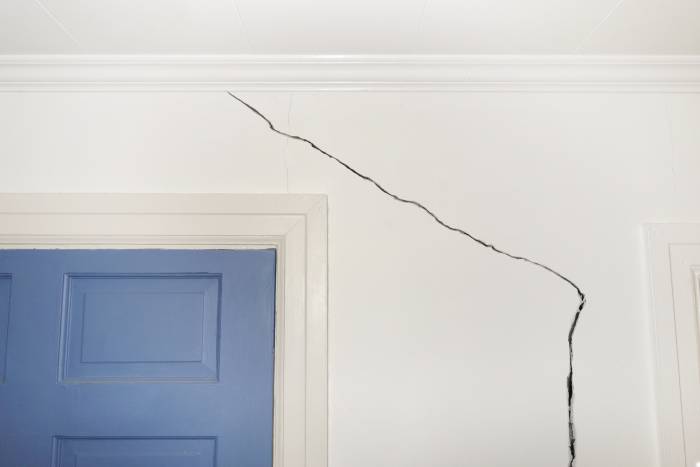
Image Credit: Select Building Inspections
This is the part no one can fully predict until hacking starts.
Once old cabinets and tiles are removed, contractors may discover issues hidden for years. These are common in older Malaysian homes, especially landed properties.
Examples include:
- Water seepage behind cabinets
- Mould growth from long term moisture
- Hollow or weak wall sections
- Uneven floor leveling
- Old termite damage in hidden structures
Industry practice often suggests setting aside 10 to 20 percent of the total budget as contingency for unexpected repairs.
In some cases, structural repairs can become major work if water damage has spread behind walls or under flooring. What starts as a simple kitchen upgrade can temporarily become a partial reconstruction project.
This is also why renovation timelines often get extended when hidden issues appear. It is not delay due to poor planning, but discovery of problems that only appear after demolition.
5. Extra Storage or “Sikit-sikit Add On” Changes
At the start of planning, most kitchen designs look sufficient on paper. But once homeowners begin using the space daily, especially families with children, storage always feels “not enough”.
This leads to additional upgrades such as:
- Extra upper cabinets for rarely used items
- Deep drawers for pots and pans
- Pull out racks for spices and bottles
- Corner units to maximise hidden space
- Tall pantry cabinets for bulk groceries
Cabinetry is usually one of the largest cost components in a kitchen renovation, often taking up 30 to 50 percent of the total budget.
The issue is that each small add on looks affordable individually, but combined upgrades significantly increase total cost. It is very common for families to adjust designs multiple times after seeing mock ups or showroom displays.
6. Labour, Delivery, and Small Unexpected Charges
Many renovation quotes look attractive at first because they focus mainly on visible items like cabinets, tiles, and countertops. However, labour and “miscellaneous” costs are where the real difference appears.
Common additional charges include:
- Installation of cabinets and fittings
- Hacking and debris disposal
- Transport and delivery fees
- Site cleaning after completion
- Minor repair works after installation
Contractors often also include variation costs when unexpected work is needed during installation.
Industry advice usually recommends keeping an additional 10 to 15 percent buffer for these hidden expenses.
These costs are often not clearly highlighted during early quotation stages, which is why many homeowners feel the final invoice is higher than expected even when the design has not changed.
7. Changing the Design Halfway Through the Renovation
This is one of the most human reasons behind budget increases. During renovation, many homeowners continue to refine their ideas after seeing real materials and layouts.
Common changes include:
- Switching cabinet colours after seeing samples in real lighting
- Upgrading countertop material for durability or appearance
- Adding LED lighting under cabinets
- Adjusting layout after living through early demolition stages
Each change creates additional costs because it affects materials already ordered, labour already scheduled, or installation sequence.
In renovation projects, these are often called variation works. Even small changes can require rework, which affects both timeline and budget.
Before You Start Your Kitchen Reno, Read This First
When it comes to a kitchen makeover, it is not just about how much you spend, but how well you plan. To avoid unwelcome surprises, it is vital to work with reputable retailers who provide transparent pricing and expert design services.
For homeowners in Johor, companies like AmpQuartz offer free 3D design and measurements, free consultations, and transparent factory-direct pricing to help you plan accurately.
They even provide 0% interest installment plans for up to 24 months, making it easier for parents to manage their renovation budgets without compromising on quality.