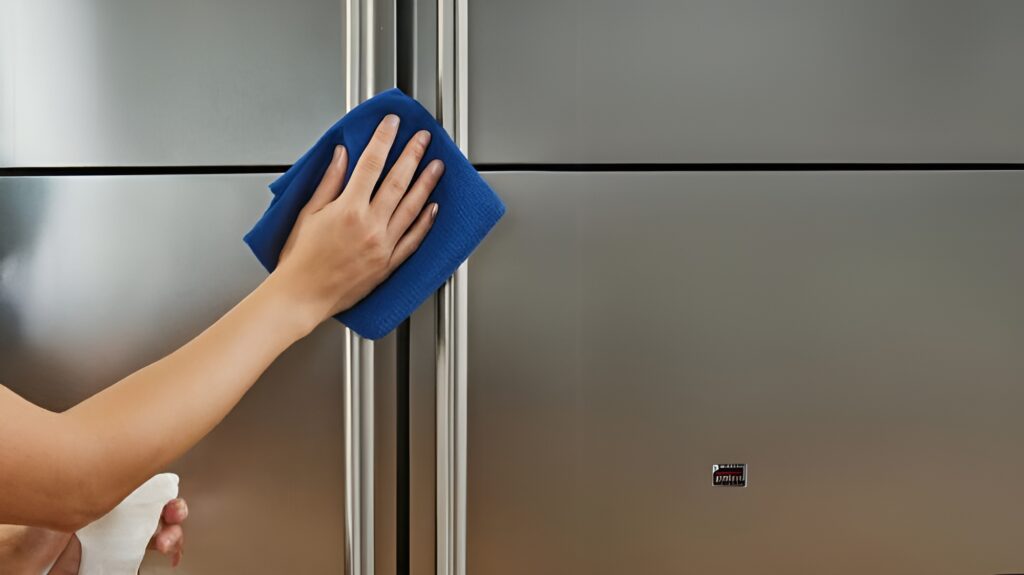

Tired of spending your weekend scrubbing kitchen cabinets? Between the humidity, curry splatters, and daily cooking chaos, keeping aluminium cabinets sparkling feels like a full-time job. But what if we told you that showroom shine takes just 5 minutes? After servicing thousands of Johor kitchens, we’ve perfected these game-changing hacks that’ll make your neighbours think you hired a daily cleaner.
Why Your Kitchens Need Different Cleaning
Let’s get real about our unique challenges:
- Humidity Hell: Johor’s 85% average humidity (Malaysian Meteorological Department ) attracts dust like magnets
- Oil Assault: Wok cooking creates grease films that bond to surfaces
- Water Spot Warfare: Hard water leaves mineral deposits that dull aluminium’s shine
- Curry Catastrophes: Turmeric stains set faster in our heat
But don’t stress! We’ve engineered solutions that work with Johor’s conditions, not against them.
Hack #1: The 60-Second Vinegar Blitz 🍾
The Problem: Greasy film after frying ikan bilis or making sambal
Our Hack: Mix 1 part white vinegar + 2 parts water in a spray bottle. Mist cabinets, wait 30 seconds, wipe with microfiber. The acetic acid dissolves grease without scrubbing.
Why It Works: Vinegar’s pH (2.5) breaks down oil bonds (Universiti Putra Malaysia cleaning study). In Johor’s heat, it evaporates quickly, leaving no residue.
Cabinet Cleaning Pro Tip: Add 3 drops of lemon essential oil. It cuts through curry stains and leaves your kitchen smelling fresher than a pasar malam morning.
Hack #2: The 30-Second Microfiber Swipe 🧼
The Problem: Dust buildup that makes matte finishes look dull
Our Hack: Dampen a premium microfiber cloth (we provide these to all clients) with plain water. Wipe cabinets using vertical strokes. The static charge lifts dust without chemicals.
The Science: Microfiber’s split fibers create 100x more surface area than cotton cloths (Textile Research Journal ). They trap 99% of bacteria – crucial in our humid climate where mold thrives.
The Time-Saver: Keep cloths pre-dampened in ziplock bags under the sink. Perfect for quick touch-ups before guests arrive!
Hack #3: The 90-Second Baking Soda Miracle ✨
The Problem: Water spots and mineral deposits from our hard water
Our Hack: Make a paste with 2 tbsp baking soda + 1 tsp water. Apply with soft cloth using circular motions. Let sit 60 seconds, buff off with dry microfiber.
Why It’s Cabinet-Perfect: Baking soda’s mild abrasiveness (2.5 on Mohs scale) removes mineral deposits without scratching PETG surfaces (American Chemical Society ). It neutralizes odors too – goodbye stale cooking smells!
Real Proof: “My Nusajaya kitchen faces west. Water spots were ruining my matte cabinets. This hack took years of buildup off in 90 seconds flat!” – Mei Lin, Our Client Since 2019
Hack #4: The 2-Minute Protective Polish 🛡️
The Problem: Future stains and fingerprints (especially with kids!)
Our Hack: After cleaning, apply 1 drop of baby oil to microfiber cloth. Buff cabinets lightly. Creates invisible barrier that repels water and oil.
The Science: Mineral oil fills microscopic surface pores, creating a slick barrier (Materials Today ). Food particles can’t adhere, making future cleaning 80% faster.
Cabinet Essential: Do this monthly before monsoon season. Extra humidity won’t stand a chance!
The 5-Minute Showroom Schedule ⏱️
Total Weekly Time: Less than 5 minutes!
What NEVER to Do to Your Aluminium Cabinets
We’ve seen too many Johor homeowners ruin beautiful cabinets with these mistakes:
- ❌ Abrasive Sponges: Scratch PETG surfaces permanently
- ❌ Bleach or Ammonia: React with aluminium, causing pitting
- ❌ Steel Wool: Leaves microscopic scratches that trap dirt
- ❌ Harsh Chemicals: Strip protective coatings, accelerating corrosion in humidity
The Cabinet Rescue Kit
We recommend keeping these under your sink:
- Spray bottle with vinegar solution
- Premium microfiber cloths (3-4 for rotation)
- Baking soda in a shaker container
- Baby oil for monthly polishing
- Soft-bristled brush for crevices
The Real Transformations
Before: “My Mount Austin kitchen looked perpetually dirty despite daily cleaning. The matte finish showed every fingerprint.” – David, New Homeowner
After Using Our Hacks: “Following this schedule, my cabinets look brand new 6 months later. Even my mother-in-law commented how clean they look during Raya!” – David, 6 Months Later
Why These Hacks Work?
We’ve tested these methods specifically for:
- High Humidity: Fast-drying solutions prevent moisture damage
- Intense Sunlight: UV-resistant cleaning methods prevent fading
- Spicy Cooking: Formulations break down oil-based spices
- Hard Water: Mineral deposit removal tailored to local water composition
Some Additional Methods That You Can Try:
The Golden Rule of Cabinet Care: Mastering the Art of Gentle Cleaning
The Smart Choice: Mild Soap Solution for Maximum Cabinet Longevity
When it comes to maintaining your premium aluminium kitchen cabinets, the most cost-effective approach is often the simplest. A mild soap solution delivers exceptional cleaning results while protecting your investment—making it the go-to method for savvy homeowners who understand value.
Creating Your Power Solution The formula couldn’t be simpler: combine a few drops of mild dish soap with warm water. This gentle yet effective blend harnesses the cleaning power you need without the harsh chemicals that can compromise your cabinet’s finish. Think of it as insurance for your kitchen investment.
The Strategic Cleaning Process Start by dampening a soft cloth or sponge with your solution. Work systematically across all cabinet surfaces, paying special attention to high-touch areas like handles and edges—these hotspots collect the most grease and grime from daily cooking activities. This targeted approach ensures every ringgit spent on your cabinets continues delivering maximum visual impact.
The beauty of this method lies in its effectiveness: it effortlessly lifts grease, eliminates fingerprints, and removes light stains without causing surface damage. After the initial cleaning, follow up with a clean, damp cloth to remove any soap residue—this crucial step prevents dirt attraction and streak formation that can dull your cabinet’s premium appearance.
Finish Strong Complete the process by thoroughly drying all surfaces with a soft, dry cloth. This final step prevents water spots and amplifies that distinctive aluminium shine that makes your kitchen look expensive and well-maintained.
The ROI Advantage Regular maintenance with mild soap solution is pure business sense. By preventing stubborn buildup before it starts, you’re extending your cabinet lifespan while maintaining that showroom aesthetic that impresses clients and family alike. This proactive approach delivers compound returns—protecting your initial investment while ensuring your kitchen continues to be a selling point for your home.
Environmental and Economic Intelligence
Beyond the immediate cleaning benefits, this method eliminates the need for expensive, harsh chemical cleaners. You’re reducing both environmental impact and ongoing maintenance costs—a win-win that aligns with smart business principles.
Bottom Line For Johor and Sarawak homeowners who demand maximum value from every purchase, mild soap solution represents the perfect intersection of effectiveness, economy, and cabinet protection. It’s simple, it works, and it keeps your kitchen investment performing at peak level year after year.
The Silent Finish-Killer: Why Abrasive Cleaners Are Destroying Your Cabinets
he Expensive Mistake: Why Abrasive Cleaners Are Your Cabinet’s Worst Enemy
Smart property investors—especially Singaporeans and PRs with houses in Johor—know that protecting cross-border investments starts with understanding what NOT to do. When it comes to aluminium kitchen cabinets, abrasive cleaners represent one of the costliest mistakes you can make, turning your premium JB property surfaces into damaged, depreciated assets.
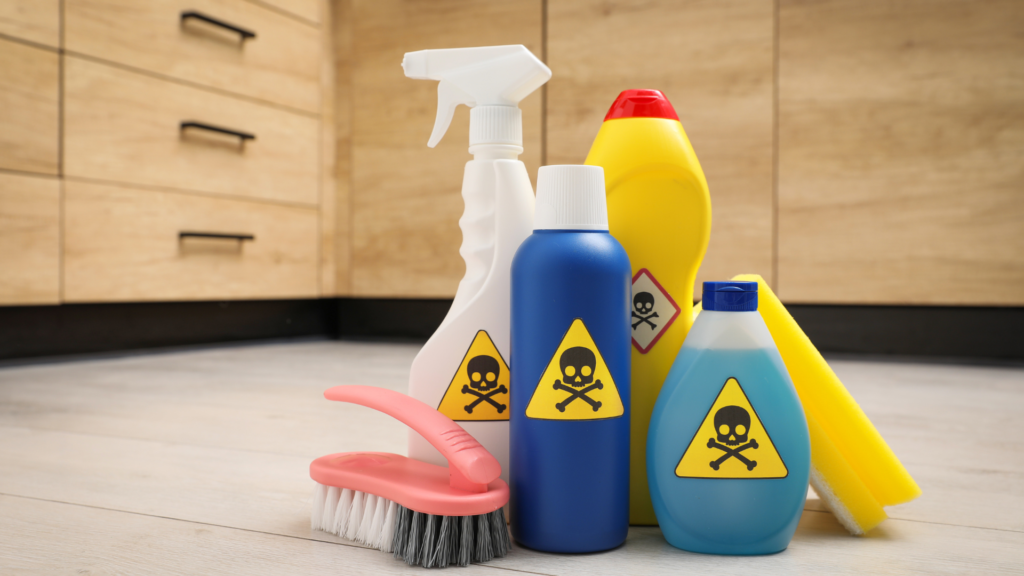
The Hidden Cost of “Powerful” Cleaners Abrasive cleaners promise intense cleaning power, but here’s what they don’t tell you: those harsh chemicals and gritty substances are literally eating away at your cabinet investment. Every application creates microscopic scratches that accumulate into visible damage—dulling that premium finish you paid good SGD for. What looks like thorough cleaning is actually systematic destruction of your asset value.
The Cross-Border Investment Reality When you’re managing a Johor property from Singapore, you can’t afford maintenance mistakes that compound over time. Steel wool, rough sponges, and abrasive pads might seem like the aggressive solution your tough stains need, but they’re actually stripping away your cabinet’s protective coating. Think of this coating as your property’s armor—once it’s gone, you’re looking at accelerated staining, corrosion, and wear that can cut your cabinet lifespan in half during those extended periods between visits.
The Smart Singaporean Strategy Professional-grade results come from professional-grade thinking. Soft cloths, microfiber materials, and gentle cleaners deliver superior cleaning without the asset destruction. This approach isn’t just about maintaining appearance—it’s about protecting the hundreds of thousands of ringgit you invested in quality JB property, especially when you can’t personally oversee every cleaning session.
Currency Exchange ROI Protection Every scratch, every dull spot, every damaged surface directly impacts your property’s SGD-equivalent value. When Singaporeans avoid abrasive cleaners in their Johor investments, you’re making a compound play: preserving current value while ensuring future appreciation when the property market rebounds. Your cabinets maintain that showroom quality that attracts quality tenants or impresses potential buyers in both markets.
The Distance Management Advantage Here’s where smart cross-border property management shines: eco-friendly, gentle cleaning solutions aren’t just better for the environment—they’re safer for domestic helpers and family members who maintain your Johor property in your absence. You’re protecting your investment while ensuring consistent, damage-free maintenance regardless of who’s handling the cleaning.
Singapore-Johor Market Intelligence In the competitive cross-border property market, every detail matters when you’re competing against local and international investors. Maintaining premium cabinet condition isn’t just about cleaning—it’s about demonstrating the kind of attention to detail that successful Singaporean property investors understand. When your JB kitchen looks professionally maintained, it reflects your commitment to excellence across borders.
The Exchange Rate Reality Check Consider this: replacing damaged aluminium cabinets in Johor still costs significant money, especially when factoring in quality materials and installation. Meanwhile, proper maintenance costs mere ringgit per month—a fraction of what you’d spend on a single weekend trip across the causeway. Smart Singapore money chooses prevention over expensive cross-border repairs.
Your Competitive Edge in JB By prioritizing gentle, non-abrasive cleaning methods, you’re not just maintaining cabinets—you’re maintaining competitive advantage in the Johor property market. Your kitchen becomes a showcase of smart Singaporean investment strategy, attention to detail, and long-term thinking that both local and international tenants recognize and respect.
The 5-Minute Monthly Check That Saves Thousands: Cabinet Hardware Maintenance for Cross-Border Property Owners
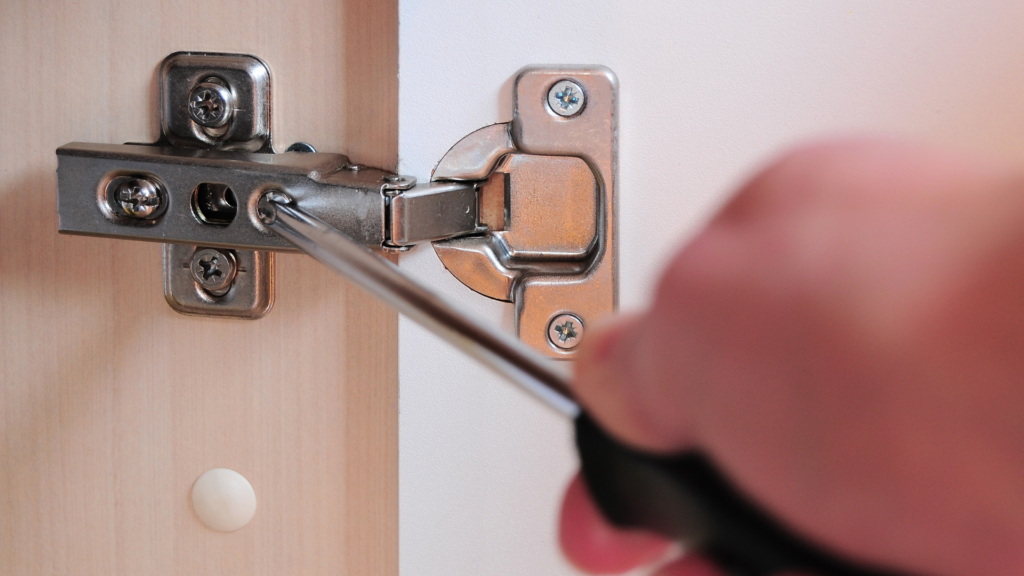
For Singaporeans and PRs managing Johor properties, there’s one maintenance ritual that separates smart investors from those facing expensive repair bills: the monthly hardware inspection. This simple practice protects your cabinet investment while you’re back in Singapore, ensuring your JB property maintains its premium appeal.
The Cross-Border Reality: Why Hardware Fails Faster Here’s what most Singapore property investors don’t realize: Johor’s humidity and temperature fluctuations accelerate hardware loosening. Every cabinet door opening creates micro-movements that compound over time, especially during those weeks when your property sits unoccupied. What starts as slightly loose screws quickly escalates into misaligned doors, operational difficulties, and structural damage that can cost serious money to fix.
The Strategic Monthly Investment: 5 Minutes = Maximum ROI Smart Singaporean property owners build this into their JB property visits: dedicate just 5 minutes monthly to cabinet inspection. Start by gently testing each door—feel for resistance, wobbling, or abnormal movement. These early warning signs are your profit protection system in action.
When you detect instability, grab a screwdriver and systematically tighten the hinge screws. Focus on both connection points: the screws attaching hinges to the cabinet frame and those connecting to doors. This simple action restores alignment, ensures smooth operation, and prevents the kind of cascade damage that turns minor maintenance into major renovation costs.
The Singaporean Advantage: Preventive Thinking While local property owners might ignore minor hardware issues, successful Singapore investors understand compound problems. Worn-out hinges don’t just compromise functionality—they destroy structural integrity and tank property aesthetics. By catching and replacing compromised hardware early, you’re protecting both immediate usability and long-term asset value.
High-Usage Reality for JB Properties This practice becomes even more critical for Singaporean-owned properties that see heavy usage—whether from extended family stays, rental tenants, or frequent weekend visits. The constant opening and closing accelerates loosening, making your monthly checks not just recommended but essential for asset protection.
The Aesthetic ROI Factor Well-aligned cabinet doors aren’t just functional—they’re visual proof of premium property management. When potential tenants or buyers see perfectly operating cabinets, they recognize the kind of meticulous attention that successful Singapore property investors bring to their JB assets. This attention to detail directly translates to higher rental rates and better resale values.
Distance Management Intelligence By incorporating this routine into your regular JB property visits, you’re solving the classic cross-border property challenge: maintaining standards when you can’t personally oversee daily operations. Your five-minute investment prevents the kind of deterioration that forces expensive emergency trips across the causeway.
The Compound Protection Strategy This isn’t just about cabinet maintenance—it’s about protecting your entire JB property investment strategy. When Singaporean investors demonstrate this level of systematic care, it signals professional property management that both tenants and the local market recognize and reward with premium valuations.
Your Competitive Edge While other cross-border investors deal with surprise repair costs and property depreciation, your systematic approach keeps your Johor cabinets—and your entire property—operating at peak performance. That’s the kind of strategic thinking that turns JB property investments into consistent wealth builders.
Humidity Wars: How Singapore Investors Protect Their Johor Cabinet Assets from Tropical Corrosion
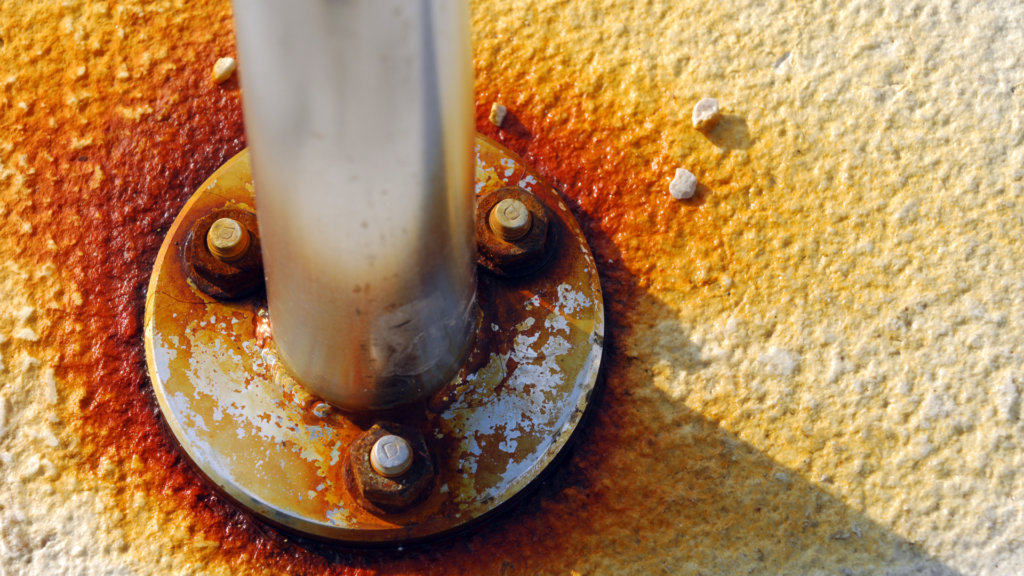
For Singaporeans investing in Johor properties, understanding corrosion prevention isn’t just maintenance—it’s wealth preservation. While aluminium naturally resists corrosion through its protective oxide layer, Malaysia’s intense tropical humidity can compromise this defense, turning your premium cabinet investment into a deteriorating liability.
The Cross-Border Climate Challenge Here’s the reality every Singapore property investor faces: Johor’s year-round humidity levels consistently hover around 80-90%, creating the perfect storm for accelerated corrosion. Your cabinets face moisture assault from cooking activities, cleaning routines, and Malaysia’s relentless tropical climate—especially during those extended periods when your property sits unoccupied between Singapore visits.
Strategic Moisture Management: Your First Line of Defense Smart Singaporean investors don’t fight humidity—they control it. Installing a quality dehumidifier in your JB kitchen isn’t an expense; it’s insurance for your cabinet investment. Target humidity levels below 60% to create an environment where your aluminium surfaces maintain their protective properties.
Equally critical: maximize ventilation through strategic exhaust fan placement and window positioning. This isn’t just about comfort during your weekend stays—it’s about maintaining optimal air circulation that prevents the moisture buildup that destroys cabinet integrity over time.
The Professional Protection Protocol Here’s where successful cross-border investors separate themselves: applying protective coatings like clear lacquer or specialized wax creates an additional barrier against Malaysia’s aggressive humidity. This periodic treatment—easily scheduled during your regular JB property visits—can extend your cabinet lifespan by years while maintaining that showroom appearance that commands premium rental rates.
The Singapore Investor’s Emergency Response System Kitchen spills happen, but in high-humidity Johor, they become corrosion accelerators within hours. Salt-based or acidic substances don’t just stain—they chemically attack your aluminium investment. Develop a rapid response protocol: immediate cleanup, thorough drying, and prompt assessment for any surface compromise.
Distance Management Intelligence Managing corrosion prevention from Singapore requires systematic thinking. Create a maintenance checklist for domestic helpers or property caretakers that includes daily ventilation routines, immediate spill cleanup, and weekly humidity monitoring. Your investment protection can’t depend on chance—it needs systematic execution.
The Compound Protection Strategy Every small corrosion issue ignored becomes exponentially more expensive. What starts as minor discoloration quickly escalates to structural compromise, door misalignment, and complete cabinet replacement. Singapore investors who catch and address early signs save thousands compared to those who discover major corrosion during quarterly visits.
Market Positioning Advantage Well-maintained, corrosion-free cabinets aren’t just functional—they’re visible proof of premium property management. When Johor tenants or potential buyers see flawless aluminium surfaces despite Malaysia’s challenging climate, they recognize the kind of meticulous investment approach that commands respect and premium pricing.
The ROI Reality Consider the math: preventive measures cost hundreds of ringgit annually, while cabinet replacement runs into tens of thousands. Factor in the exchange rate impact on your Singapore earnings, and corrosion prevention becomes one of your highest-ROI property investments.
Your Competitive Edge in JB While local property owners might accept humidity damage as inevitable, successful Singapore investors leverage technology and systematic maintenance to achieve superior outcomes. Your corrosion-free cabinets become a competitive differentiator in both rental and resale markets.
The Long-Term Wealth Protection Play By implementing comprehensive corrosion prevention, you’re not just maintaining cabinets—you’re protecting your entire JB property investment thesis. Clean, functional, aesthetically appealing kitchens drive property values and rental yields that justify your cross-border investment strategy.