
Choosing the right kitchen countertop is one of the biggest decisions during a home renovation. For many homeowners in Malaysia, the comparison often comes down to Silestone and quartz countertops. At first glance, both may look similar, but there are important differences in design, durability, maintenance, and overall value.
If you are planning a kitchen upgrade, understanding these differences can help you avoid costly mistakes and choose a countertop that truly suits your lifestyle.
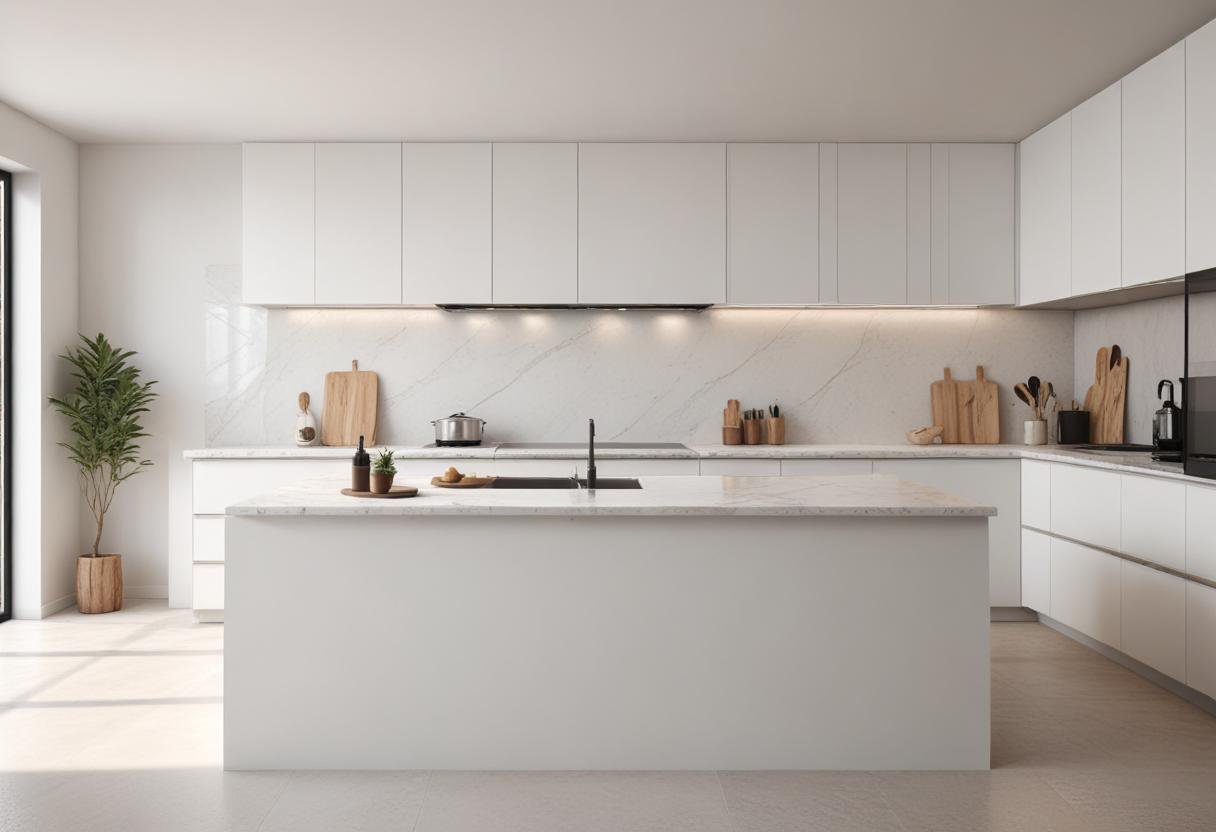
Quartz countertops are engineered stone surfaces made from natural quartz mixed with resin and pigments. They are popular because they combine the beauty of stone with better durability and easier maintenance compared to natural marble or granite.
Today, quartz countertops are commonly used in modern kitchens because they are:
- Easy to clean
- Non-porous
- Resistant to stains
- Available in many colours and patterns
- Suitable for both modern and classic kitchen designs
- Silestone by Cosentino: Highly regarded for its proprietary HybriQ technology and N-Boost surface modification, which enhances color vibrancy and liquid repellency.
- Caesarstone: A global pioneer in the quartz industry, recognized for setting the standard in premium aesthetics and material innovation.
- OTTO Marbleline: Offers a sophisticated balance of structural durability and elegant design, mimicking high-end marble with engineered strength.
- Classicut (Polarstone): Distinguished as a high-performance alternative that utilizes advanced manufacturing to provide reliable, high-density stone surfaces.
For busy households, quartz is often a practical choice because it does not require frequent sealing or complicated maintenance.
What Is Silestone?
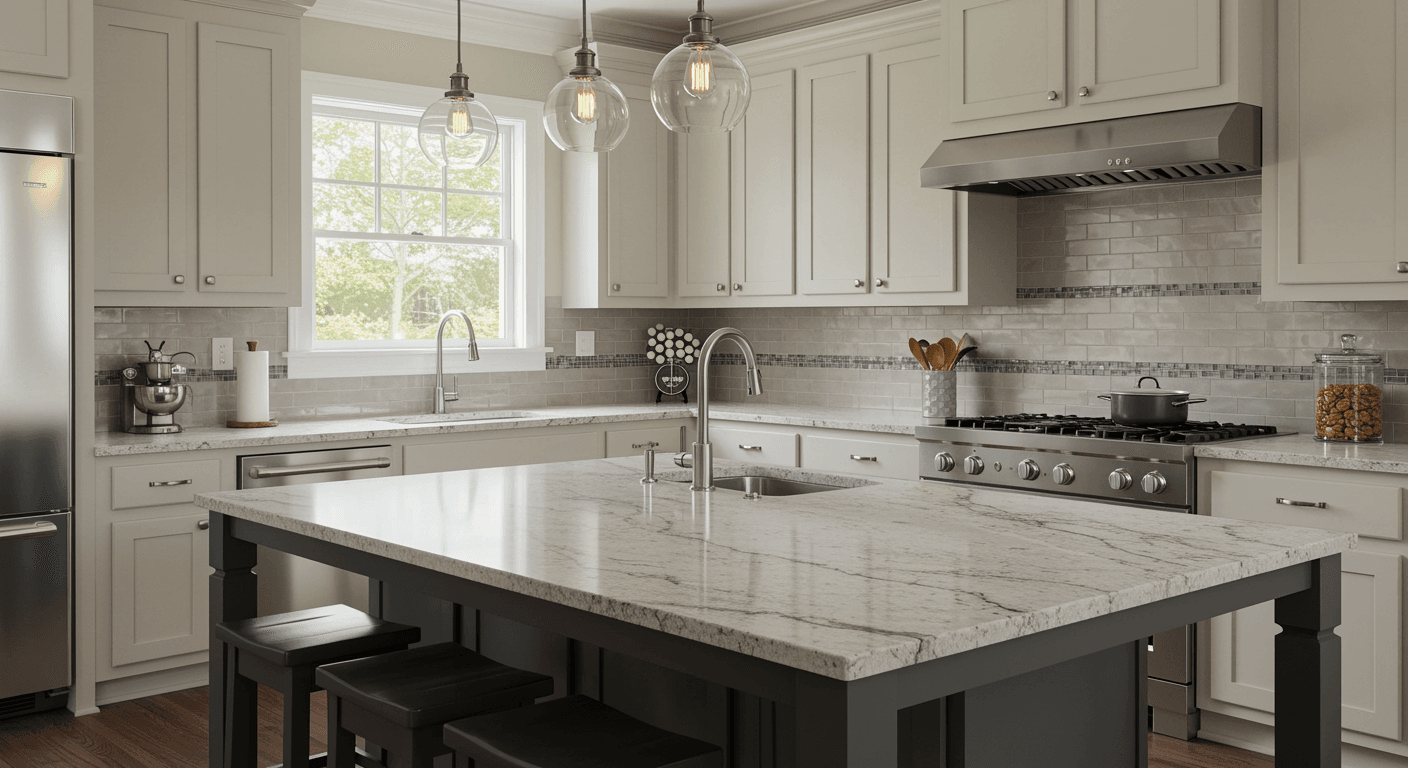
Silestone is one of the most recognised quartz surface brands in the market. It is manufactured by Cosentino and is known for premium finishes, elegant designs, and advanced surface technology.
Silestone is technically a type of quartz countertop, but not all quartz countertops are Silestone.
Many homeowners choose Silestone because of its:
- Premium appearance
- Wide colour selection
- Smooth finishing
- Strong stain resistance
- Modern European-style designs
It is commonly seen in high-end kitchens, luxury condominiums, and designer homes.
Silestone vs Quartz: What Is the Difference?
The biggest confusion comes from the fact that Silestone itself is made from quartz. The real comparison is between branded Silestone surfaces and general quartz countertops from various manufacturers.
Here are some key differences homeowners usually consider.
1. Design and Appearance
Silestone is known for consistent colour quality and sophisticated designs. Many of its patterns closely resemble natural marble while offering a cleaner and more uniform appearance.
General quartz countertops may have fewer design options depending on the manufacturer and budget range. Some affordable quartz surfaces can also look less natural.
For homeowners who want a premium kitchen appearance, Silestone often becomes the preferred option.
2. Durability for Daily Use
Both Silestone and quartz countertops are highly durable for daily kitchen activities.
They can generally handle:
- Daily cooking
- Food preparation
- Minor scratches
- Moisture exposure
- Common kitchen stains
However, quality can vary between quartz brands. Premium surfaces like Silestone usually provide better consistency and finishing quality.
For families who cook frequently, durability becomes very important. Hot pots, spilled curry, coffee stains, and heavy kitchen appliances are common realities in Malaysian homes. Choosing a reliable countertop helps reduce long-term maintenance problems.
3. Maintenance and Cleaning
One reason quartz surfaces remain popular is because they are easy to maintain.
Unlike natural stone, quartz does not require sealing. Most stains can be cleaned using mild soap and water.
Silestone also includes protective surface technology that helps reduce bacteria and staining, making it suitable for busy family kitchens.
For homeowners with children, this becomes especially useful because kitchen surfaces are used constantly throughout the day.
4. Price Comparison
Silestone is a premium quartz surface with higher pricing and refined finishes, while standard quartz offers a more affordable option with good durability and design variety.
| Item | Silestone | Standard Quartz |
|---|---|---|
| Price Level | Usually higher | More budget-friendly |
| Brand Position | Premium international brand | Varies by local or international manufacturer |
| Design Options | Wide range, premium finishes | Good variety depending on brand |
| Performance | High consistency and quality | Good overall performance |
Why Is The Final Bill So High? Things That Actually Change Your Reno Cost
| Cost Factor | Explanation |
|---|---|
| Countertop thickness | Thicker slabs cost more |
| Design selection | Premium patterns may increase price |
| Kitchen size | Larger kitchens require more material |
| Edge finishing | More detailed finishing costs more |
| Installation work | Labour and skill level affect pricing |
| Custom cutting | Special shapes or adjustments increase cost |
Which Kitchen Top is Actually Ngam for Our Malaysian Houses?
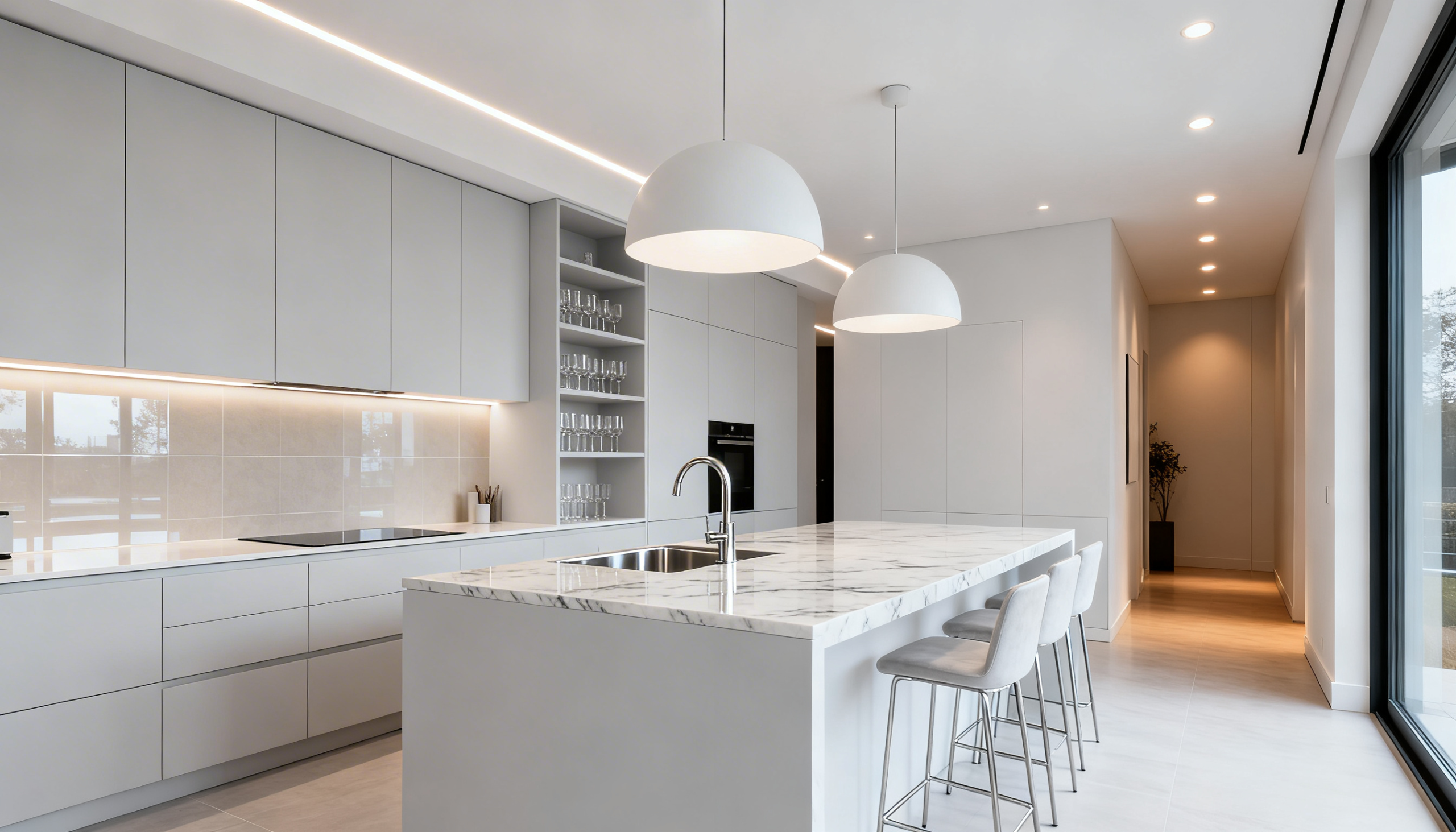
There is no single answer because every household has different needs.
Silestone may suit homeowners who:
- Prefer premium finishes
- Want luxury kitchen aesthetics
- Appreciate branded materials
- Plan for long-term property value
General quartz countertops may suit homeowners who:
- Want affordable renovation costs
- Need practical daily usage
- Prefer simple maintenance
- Want more flexibility within budget
A growing family, for example, may prioritise durability and easy cleaning over luxury branding. Meanwhile, homeowners renovating a forever home may invest more into premium materials for better long-term satisfaction.