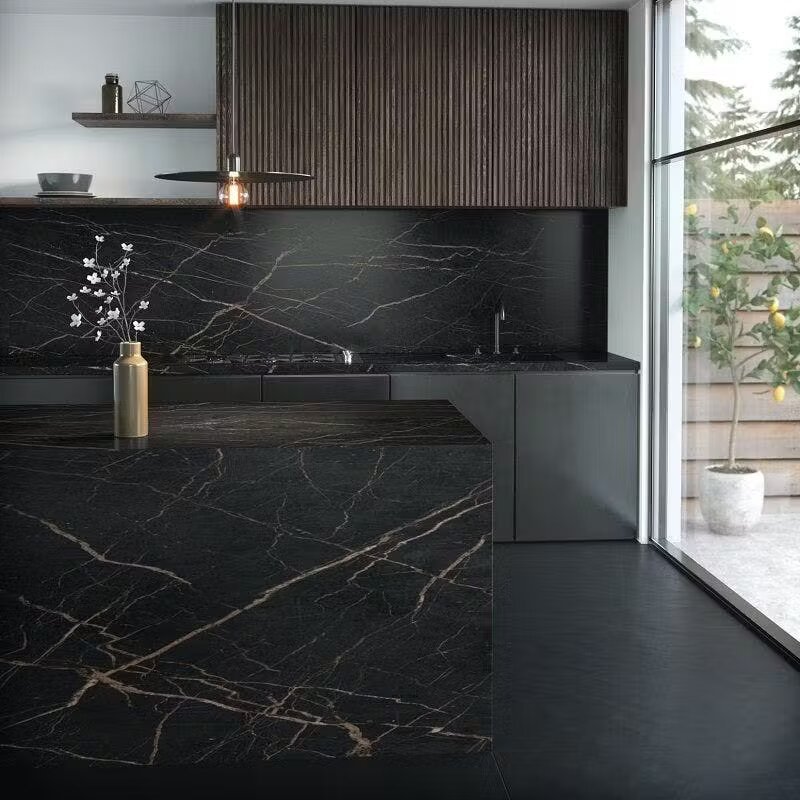
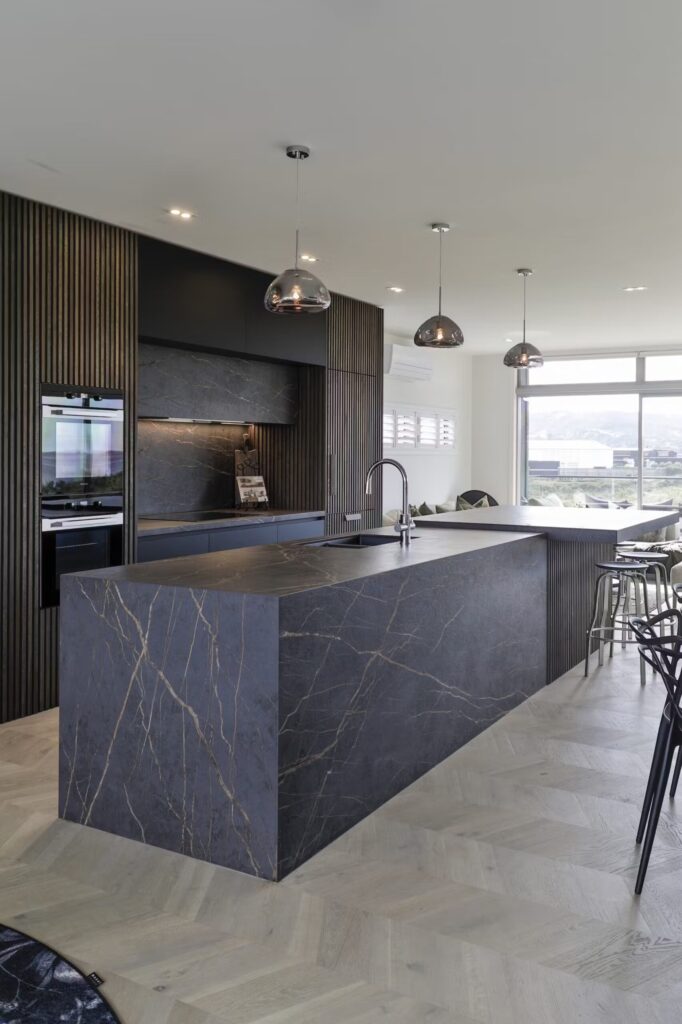
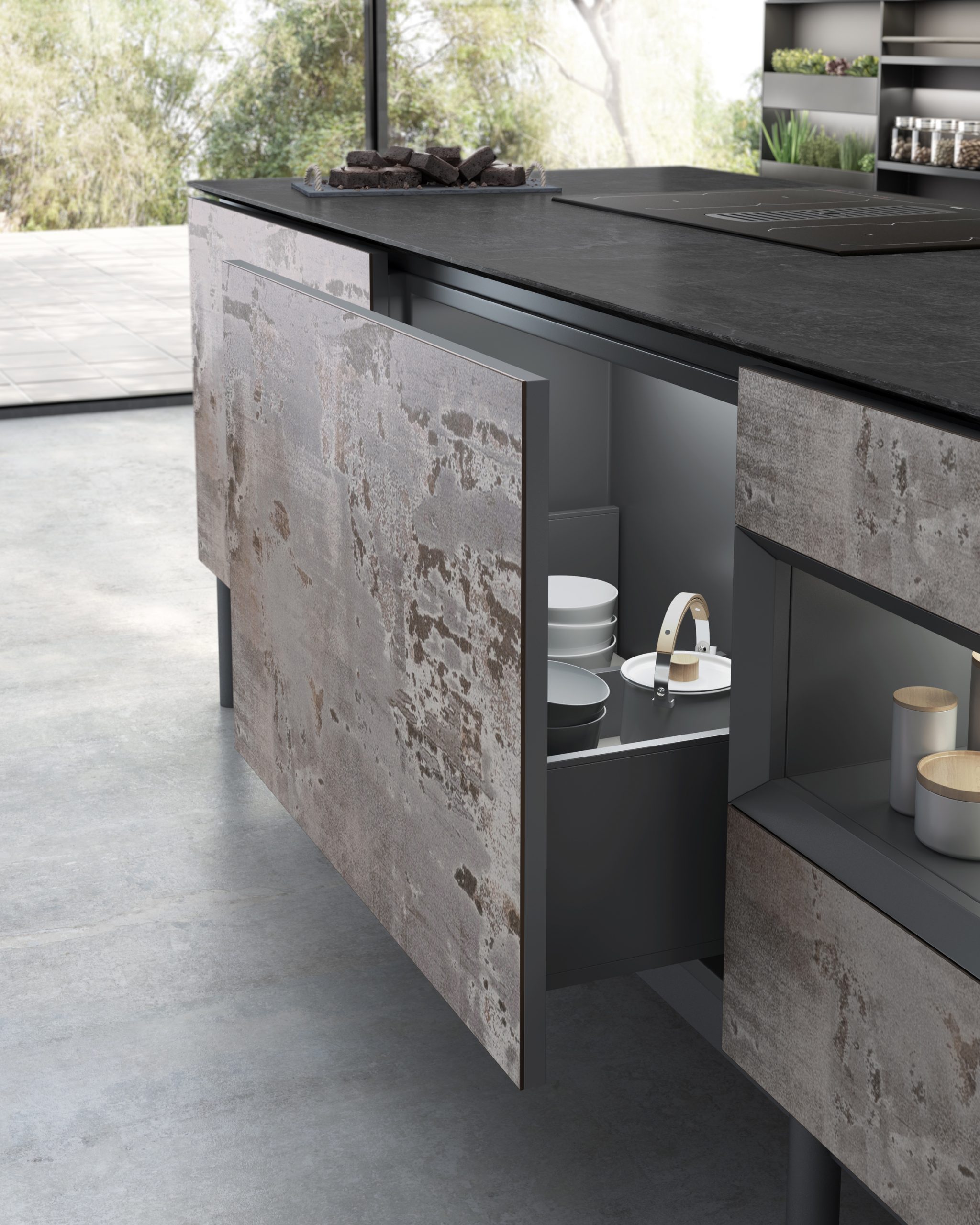
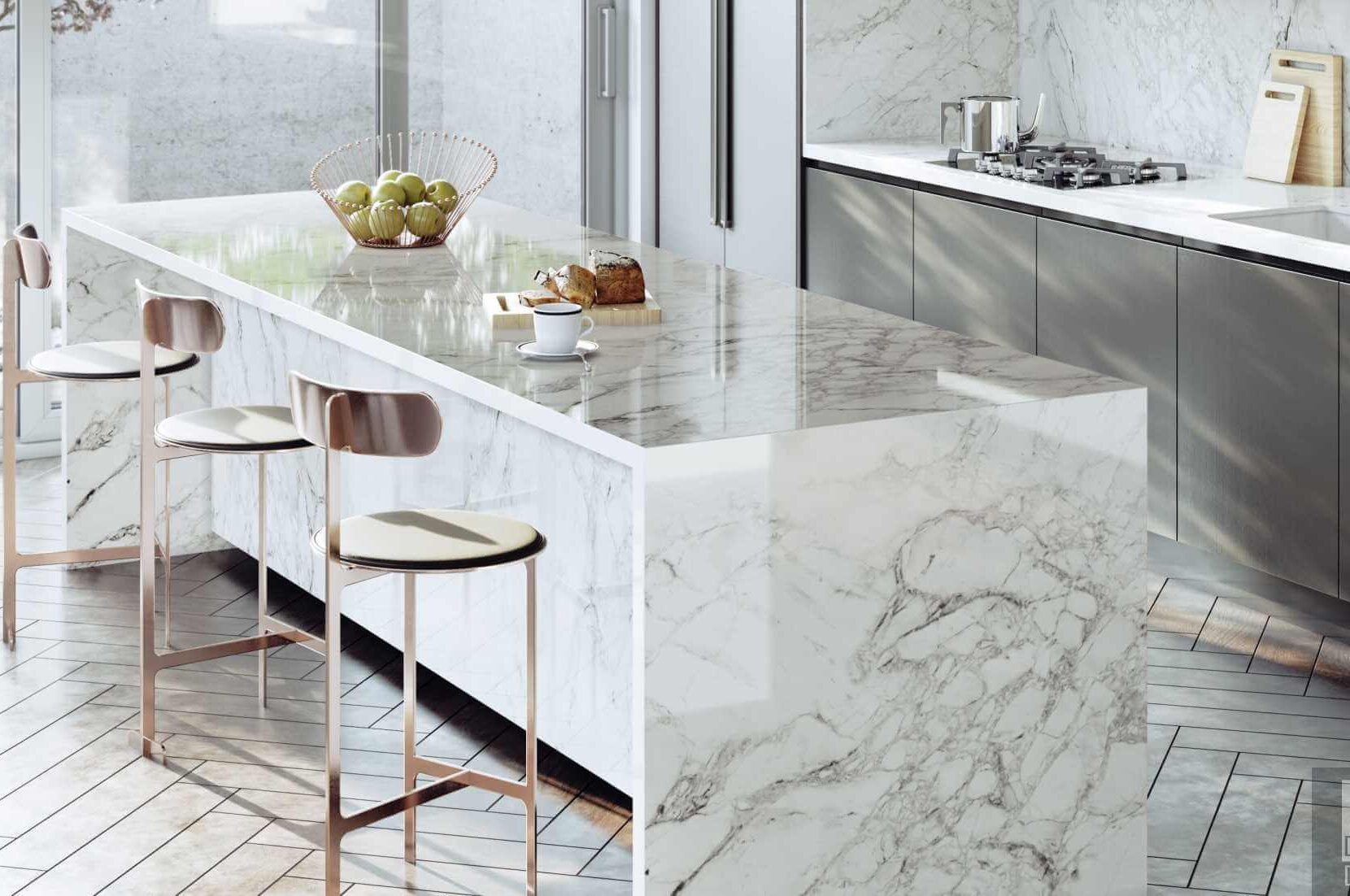
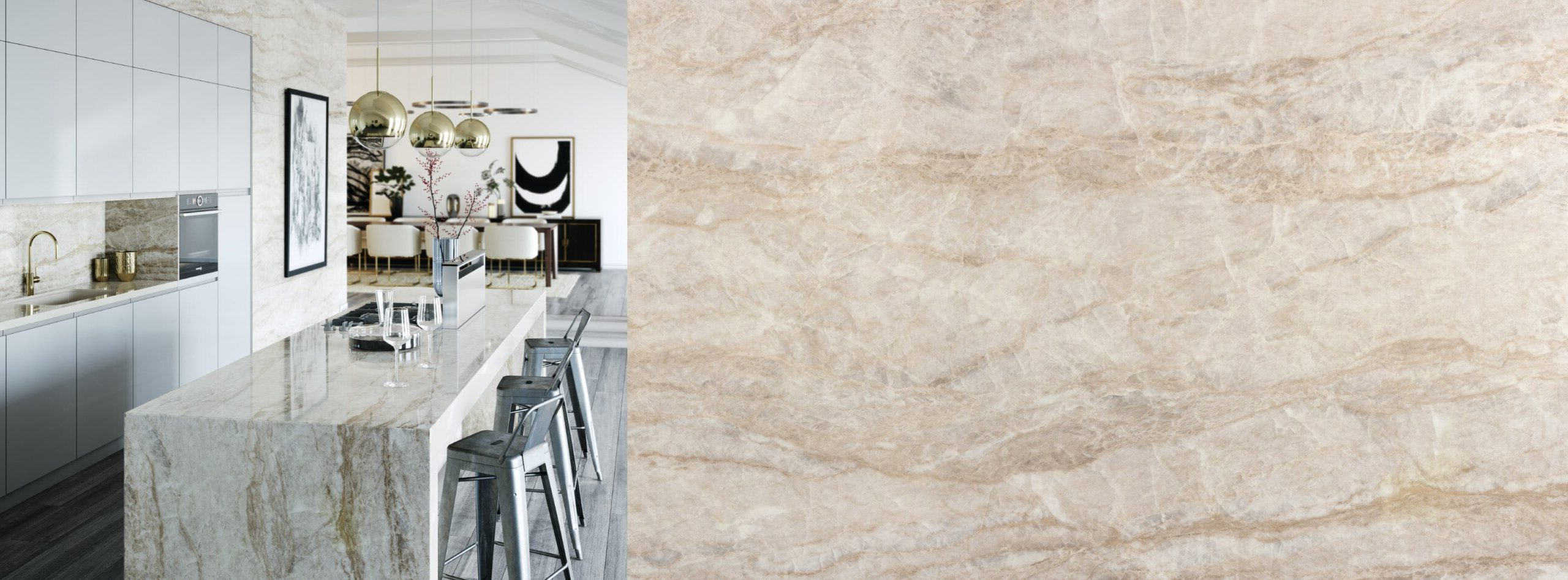
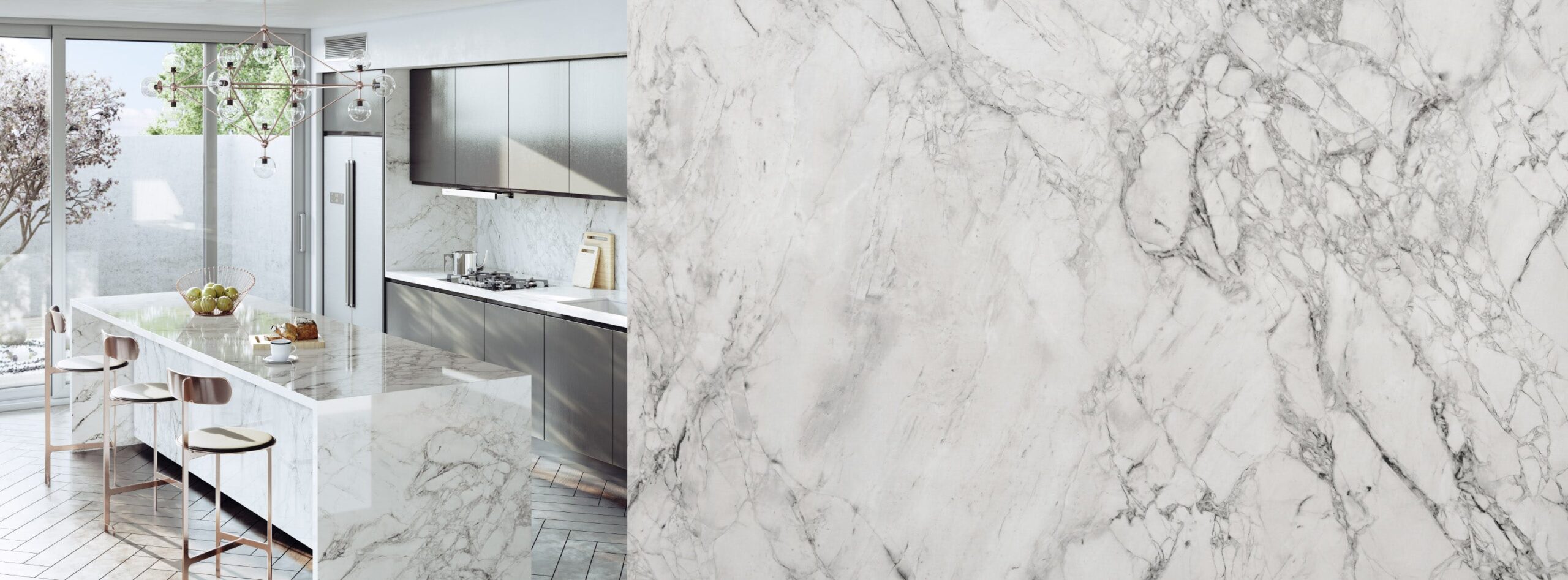
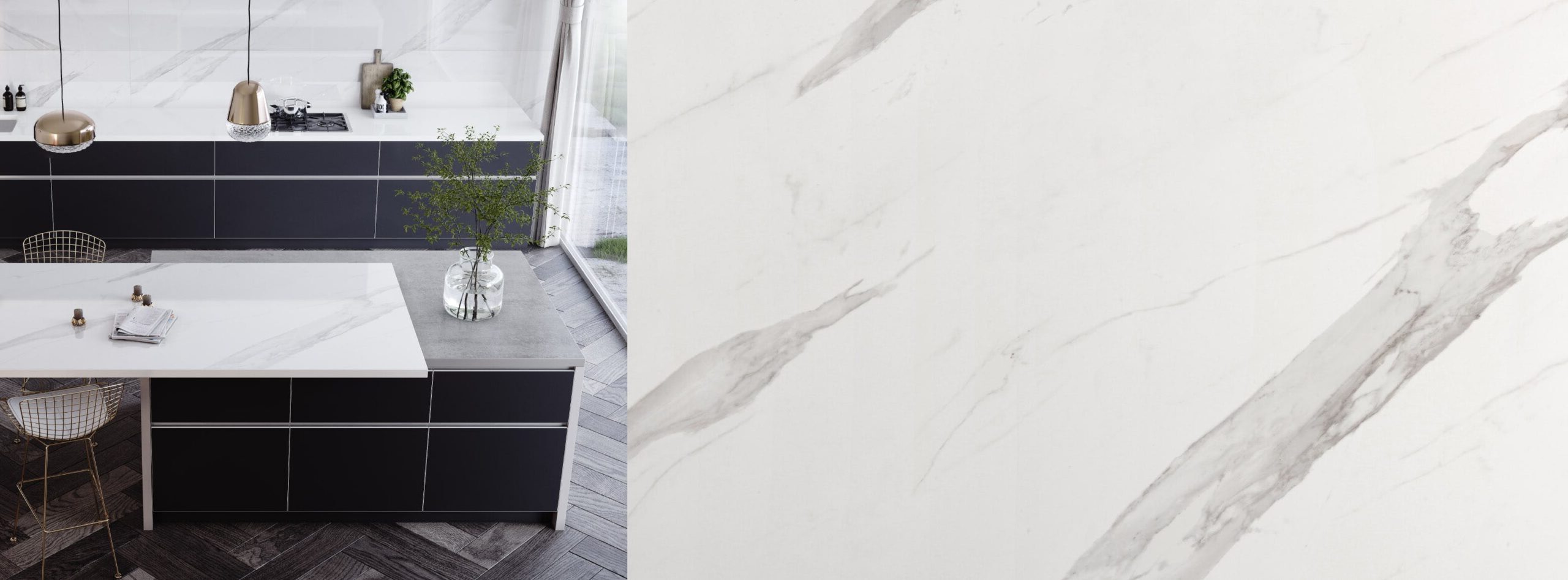
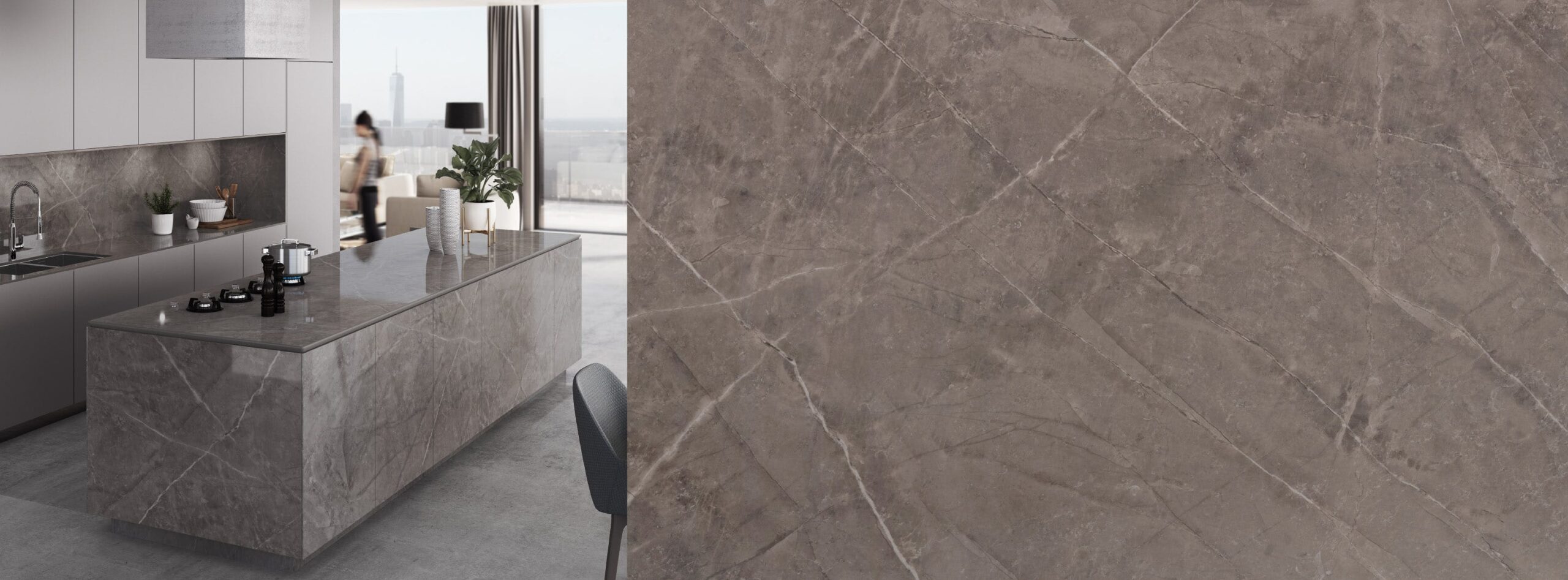
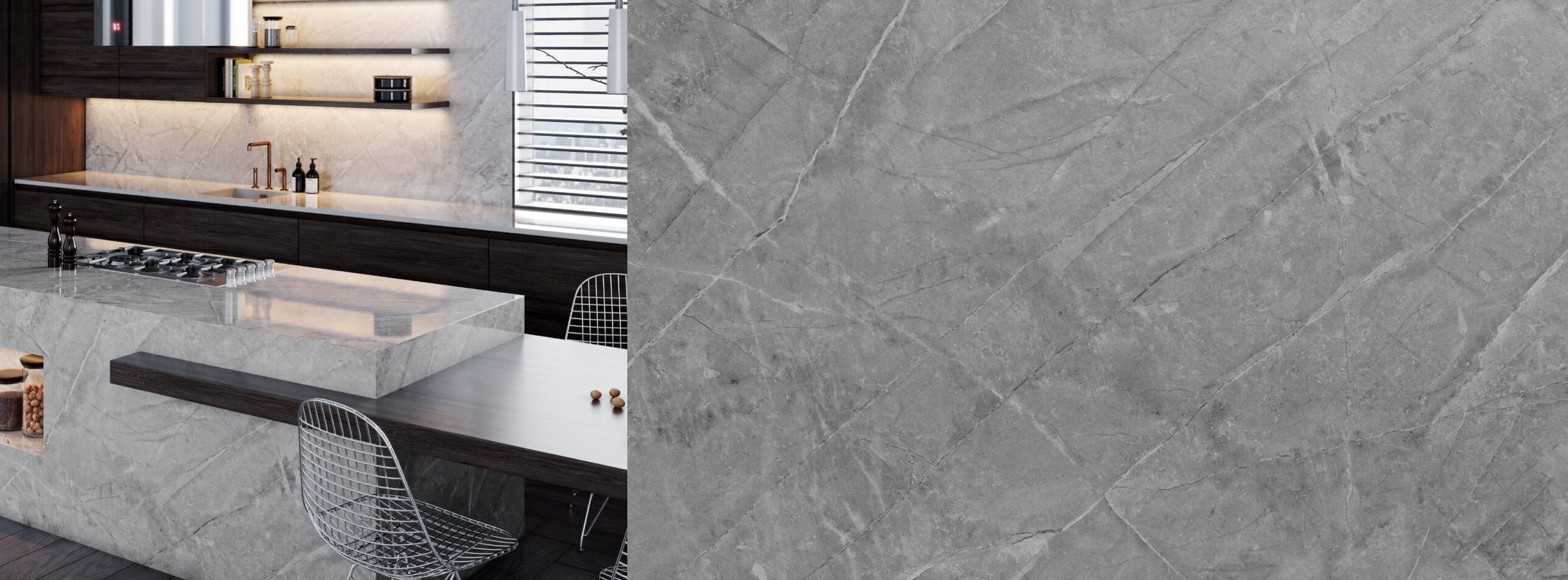
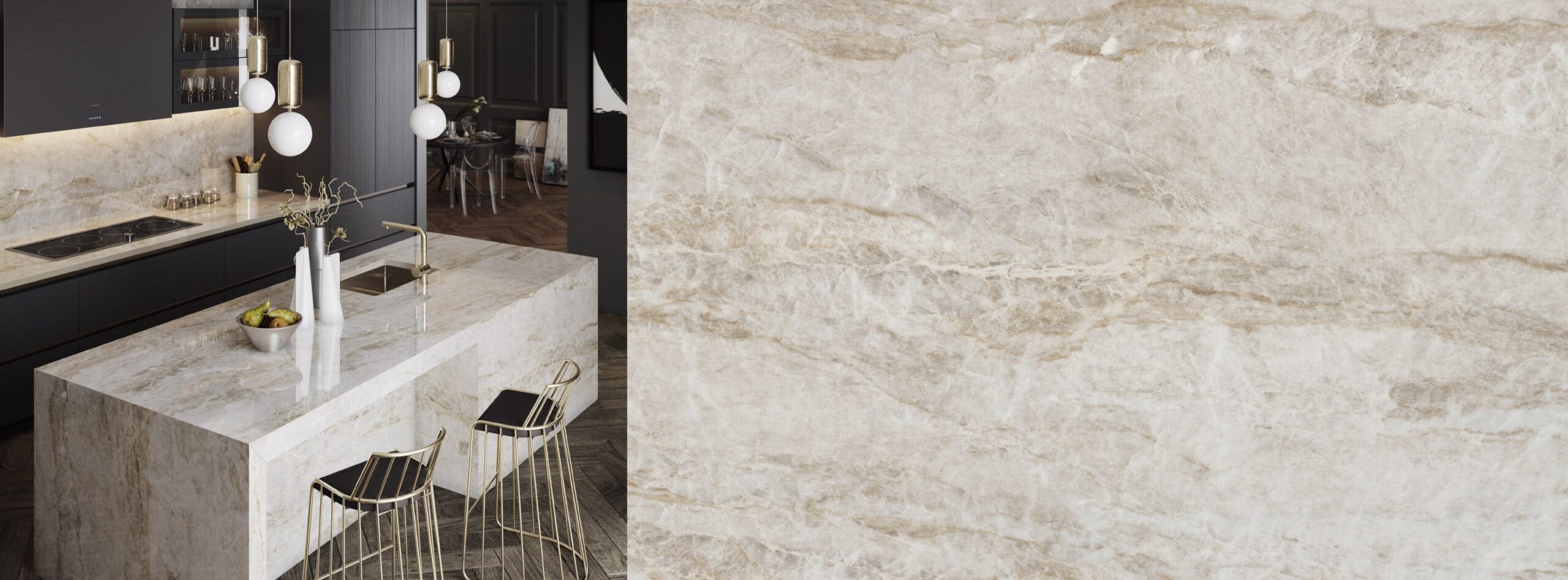
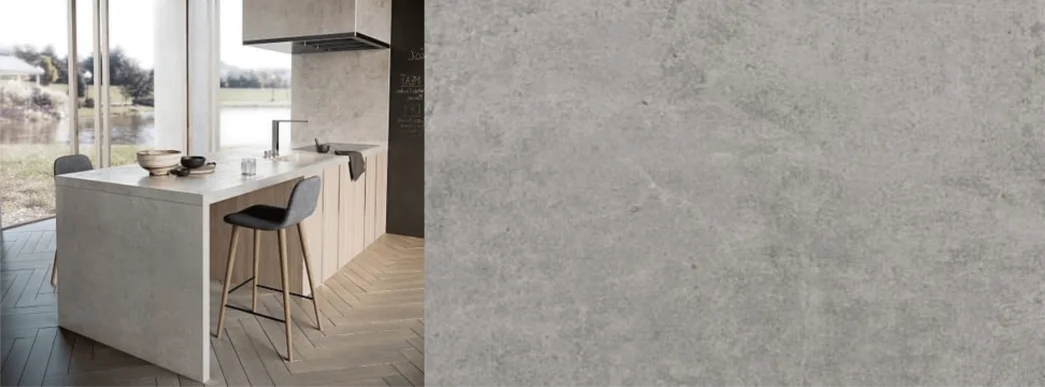
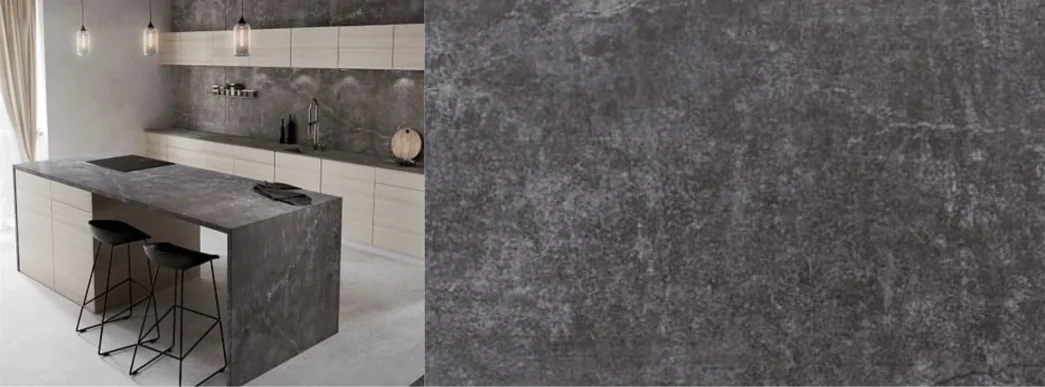
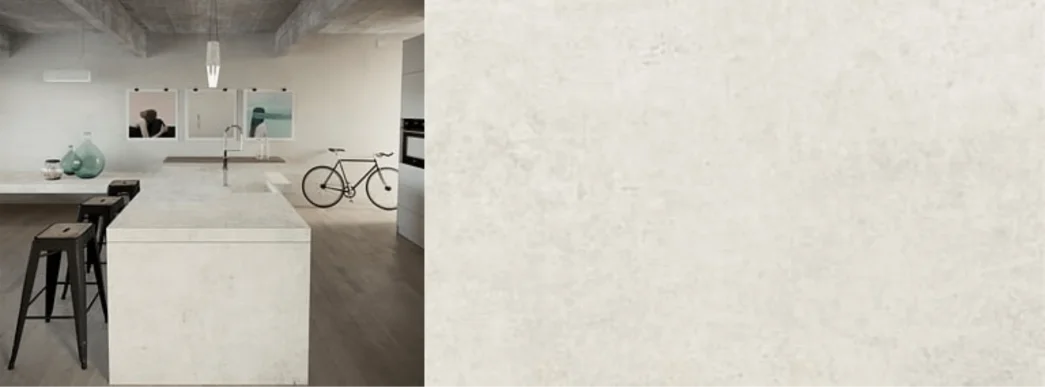
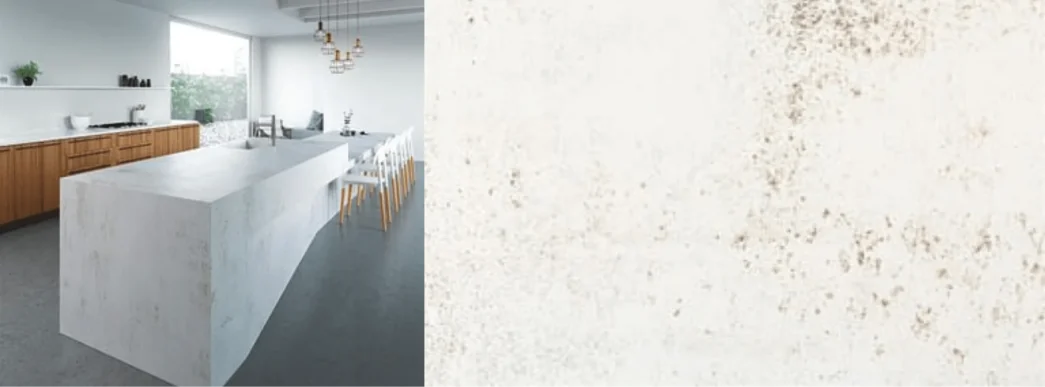
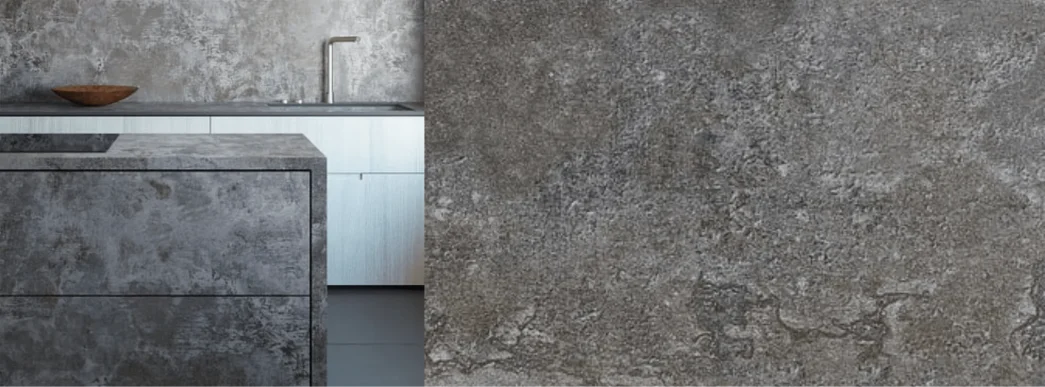
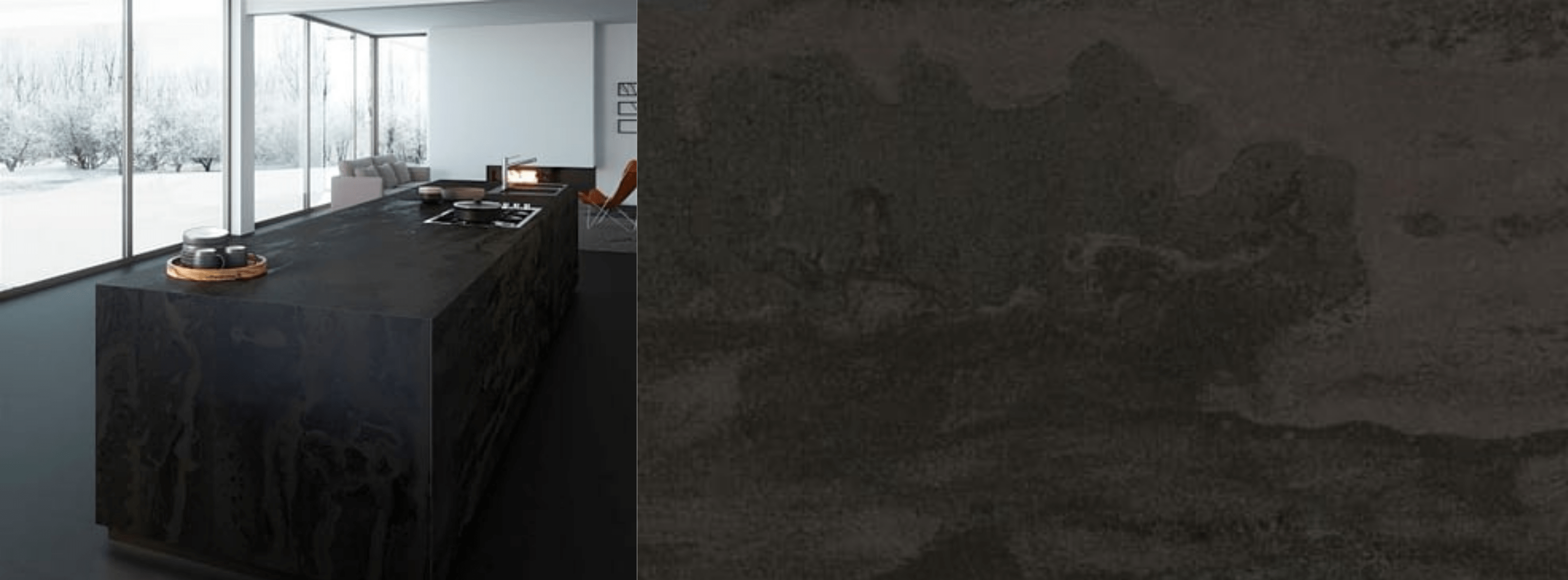
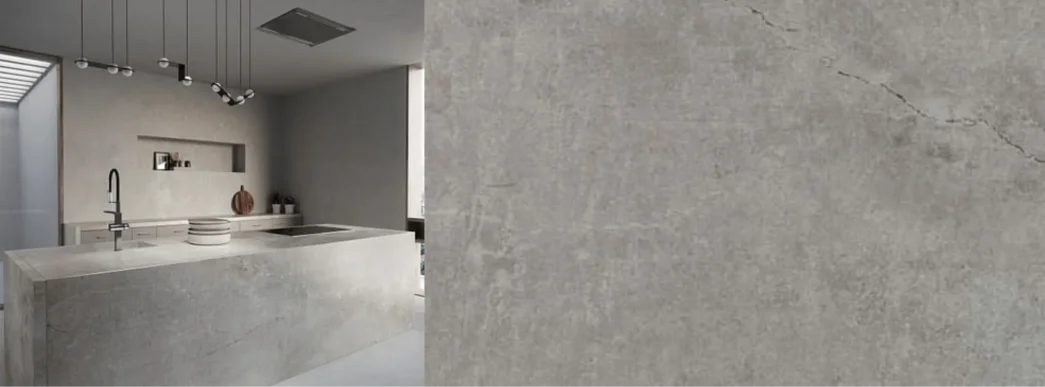
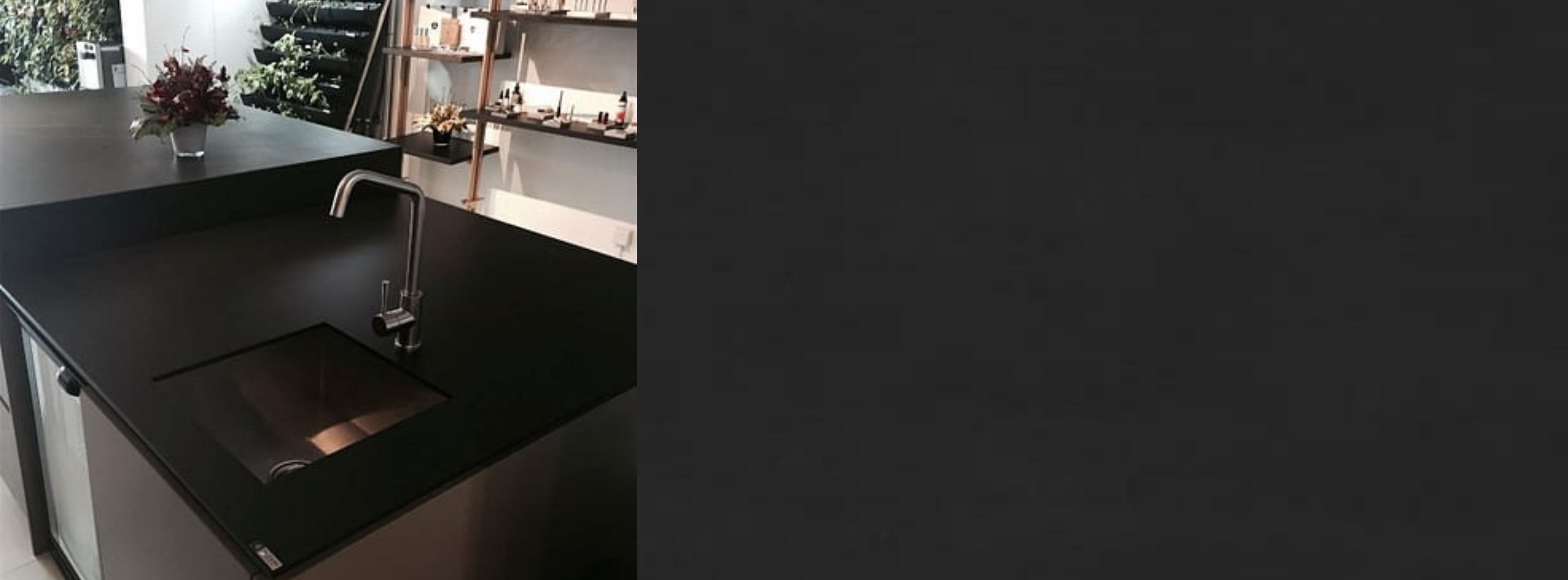
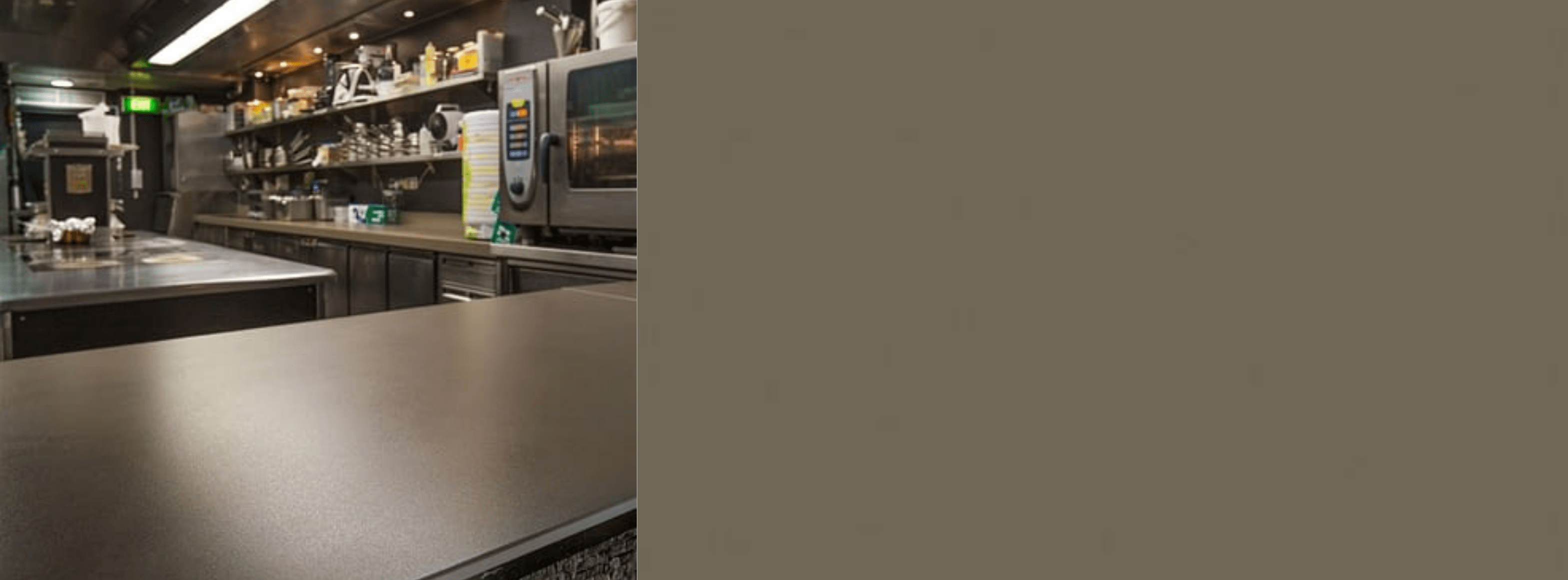
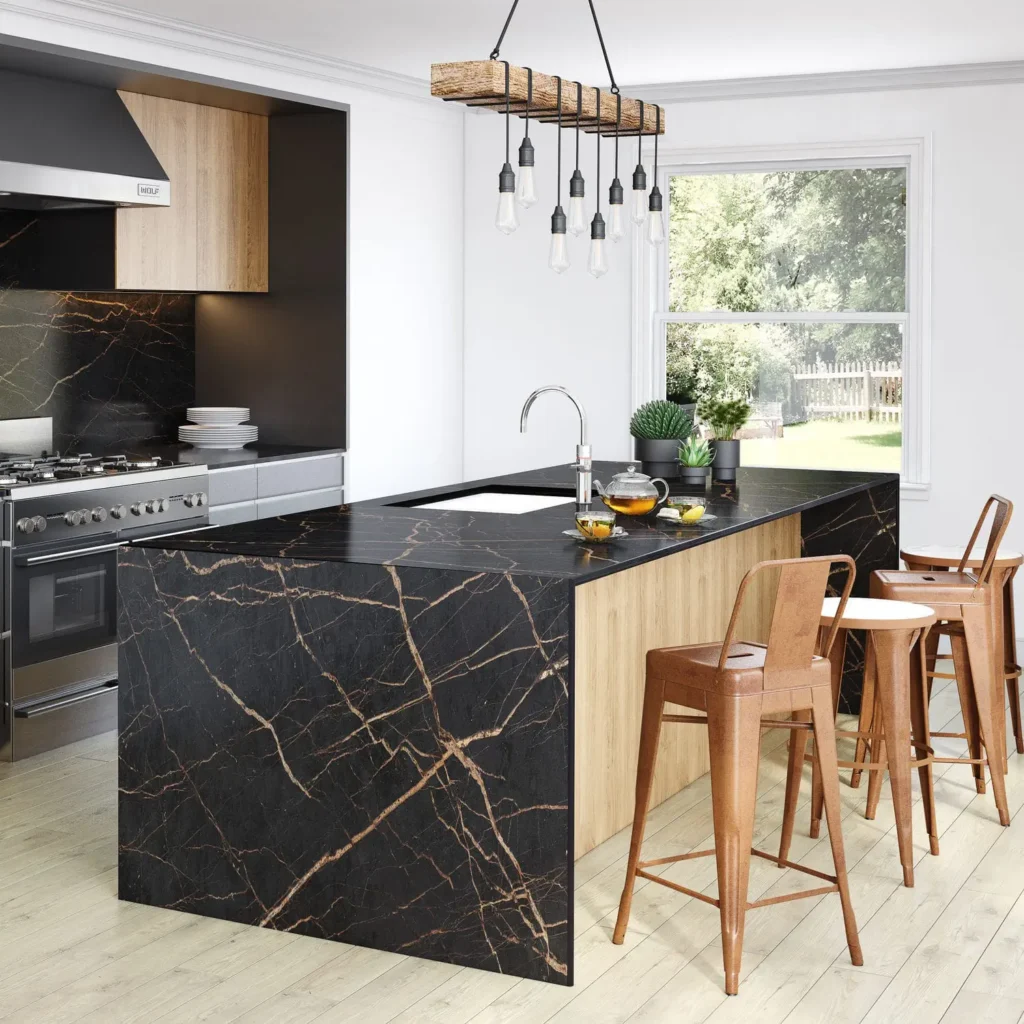
Renovating a kitchen in Malaysia is a big deal. Between the heavy cooking, turmeric stains, and hot pots, our kitchen countertops take a beating.
If you are currently looking at materials, you have probably narrowed it down to two premium choices: Quartz and Dekton. Both look beautiful, but they behave very differently in a real Malaysian home.
Let us break down how they compare in daily use so you can pick the right one for your home.
Advanced Countertop Technology: Dekton and Quartz
A centerpiece of any modern renovation is the selection of durable and beautiful surfaces. AmpQuartz specializes in premium natural and engineered stones.
The Power of Dekton (Sintered Stone)

Dekton is an ultracompact surface created using Sinterized Particle Technology, which mimics the metamorphic changes natural stone undergoes over thousands of years. Its performance features are unmatched:
- Total Resistance: It is highly resistant to UV light (preventing fading), scratches, and abrasion.
- Heat & Cold Resilience: Hot pans can be placed directly on the surface without burning or cracking, and it is also resistant to ice and thawing.
- Versatile Design: Slabs are available in various thicknesses (8mm to 30mm) and large formats (up to 3200mm x 1440mm), allowing for seamless, expansive designs.
The 5 “Magical” Features of Dekton
1. UV Resistance: Unlike other materials, it will not fade or degrade.
Real-Life Benefit: Your outdoor kitchen in the Malaysian sun will look as vibrant in ten years as it does today.
2. Thermal Shock Resistance: It is truly heat-proof.
Real-Life Benefit: You can move a scorching pot directly from the stove to the counter without a second thought.
3. Scratch Resistance: One of the hardest surfaces in existence.
Real-Life Benefit: Cutting directly on the surface won't leave a mark (though it might dull your knives!).
4. Water Resistance: High resistance to hydrolysis.
Real-Life Benefit: Perfect for high-moisture “wet” kitchens or luxury bathrooms.
5. Mechanical Resistance: Superior structural strength.
Real-Life Benefit: Allows for a 12-inch unsupported overhang, perfect for creating sleek breakfast bars without the need for bulky, unsightly brackets.
Get Cabinet Quote ( In 24 Hours )
The Reliability of Quartz

Quartz remains a popular choice for its blend of beauty and durability. Common misconceptions often lead homeowners to believe it is fragile or requires high maintenance, but the reality is quite the opposite:
- Toughness: Quartz is made from some of the hardest minerals in nature, making it resistant to impacts and scratches.
- No Sealing Required: Unlike natural stone, quartz is non-porous, meaning it never requires regular sealing to remain stain-resistant.
- Easy Cleanup: Most spills, including coffee and wine, can be wiped away with just mild soap and water.
The “Stop & Go” Cleaning Guide
- STOP (Avoid):
- Abrasive Scrubbing: Never use dry baking soda or scouring pads. The grit acts like sandpaper, micro-scratching the surface.
- Harsh Chemicals: Avoid Clorox wipes, glass cleaners, and magic erasers. These contain alkalis that can “harm” or chemically dull the resin.
- GO (Safe):
- The Gold Standard: A simple mixture of mild dish soap and warm water is all you need for 99% of spills.
- Tools: Always use a soft microfiber cloth to prevent micro-abrasions.
Dekton and Quartz Explained: Material, Strength, and Maintenance Comparison
1. Material Composition and Technology
- Dekton: It is a complex blend of raw materials used to produce glass, porcelain, and high-quality quartz. It is manufactured using Sinterized Particle Technology, a high-tech process that mimics the metamorphic changes natural stone undergoes over thousands of years under high temperature and pressure.
- Quartz: These surfaces are crafted by combining natural quartz crystals with resins. While very tough, the inclusion of resin affects its performance in certain conditions.
2. Heat Resistance
- Dekton: It has extremely high heat resistance. It can withstand high temperatures without burning, scorching, or cracking. You can place hot pots and appliances directly on the surface without leaving burn marks.
- Quartz: While quartz is durable, it is sensitive to extreme heat because the resin used to bind the crystals can be damaged or discolored by high temperatures. Homeowners are advised to use trivets or hot pads to protect the surface.
3. Outdoor and UV Performance
- Dekton: It is highly resistant to ultraviolet (UV) light, preventing it from fading or degrading over time. It is also resistant to ice and thawing, making it an ideal choice for outdoor kitchens and cold environments.
- Quartz: Because the resin in quartz can be sensitive to UV rays and extreme temperature fluctuations, it is generally less suited for outdoor applications compared to Dekton.
4. Mechanical Strength and Application
- Dekton: It possesses high mechanical resistance, which allows for unique design features like an unsupported overhang of up to 12 inches on islands or worktops. It is available in large-format slabs (up to 3200mm x 1440mm) and various thicknesses ranging from 8mm to 30mm.
- Quartz: It is remarkably tough and resistant to impacts, scratches, and stains due to the natural hardness of quartz minerals. It is an excellent, dependable option for heavy everyday use in indoor spaces.
5. Maintenance and Porosity
- Both materials are non-porous, meaning they do not absorb liquids or gases. Consequently, neither Dekton nor Quartz requires regular sealing, unlike natural stones like marble or granite. Both can be easily cleaned with mild soap and water.
Material Showdown: Quartz vs. Sintered Stone
Quartz blends stone with resin for high chip resistance but requires heat pads, while Sintered Stone uses zero resin to be completely burn-proof and stain-resistant against turmeric.
Feature | Quartz | Sintered Stone (Dekton) |
Composition | Natural quartz + Resins | Glass, Porcelain, and Quartz |
Heat Resistance | Moderate (Requires trivets) | Extreme (Heat-proof) |
UV Stability | Best for indoor use | Excellent for Indoor & Outdoor |
Maintenance | Very Low (Soap & Water) | Minimal (Extremely resilient) |
Thickness Options | Standard | 8mm, 12mm, 20mm, and 30mm |
Get Cabinet Quote ( In 24 Hours )
Why Choose AmpQuartz?

With over a decade of experience and a 4.8-star Google rating from more than 2,000 customers, AmpQuartz distinguishes itself through transparency and community care.
- Eco-Friendly Approach: They utilize an ESG-focused approach, using sustainable materials and smart practices to protect both the home and the environment.
- Exceptional Value: Clients benefit from direct-from-factory pricing, free 3D designs, and free consultations.
- Flexible Financing: To make dream designs accessible, they offer 0% interest installment plans for up to 24 months.
Homeowners can visit their showrooms at Taman Gaya or Bandar Dato Onn in Johor Bahru to explore the widest range of cabinet and tabletop choices. For those looking to start their renovation journey, AmpQuartz provides quotes within 24 hours.
Which Kitchen Countertop Should You Choose?
Choose Quartz if you want a beautiful, low-maintenance kitchen that fits a reasonable renovation budget. It handles everyday wear beautifully, as long as you remember to use heat pads under your hot pans.
Choose Dekton if you have a bigger budget and want absolute peace of mind. It is ideal if you do high-heat cooking daily, love the sleek look of thin countertops, or want an outdoor wet kitchen exposed to direct sunlight, since Dekton does not fade in the sun.
FAQs: Dekton vs Quartz Kitchen Countertop
Dekton is much more expensive. It is imported from Spain and requires specialized labor and diamond tools to install, which can double the cost of quartz. For comparison, quality quartz countertops in Malaysia are highly accessible and start around RM180 per foot.
- Dekton: Yes. It is entirely burn-proof and fireproof. You can place scorching hot claypots directly on it.
- Quartz: No. The resin glues inside can melt or crack under high heat. You must always use a trivet.
- Dekton: Never. It has zero porosity, so even dried turmeric wipes off easily with soap and water.
- Quartz: Rarely, but possible. It is highly stain-resistant, but leaving dark chili oil or yellow curry overnight can discolor light-colored quartz resin.
- Scratching: Dekton is 100% scratch-proof (you can cut food directly on it), while quartz can get fine scratches over time.
- Chipping: Quartz wins here. Quartz has a bit of flexibility due to its resin, making it bounce back from bumps. Dekton is rigid and brittle, meaning edges can chip if hit hard by heavy pots.
A standard kitchen upgrade usually ranges from RM15,000 to RM30,000. To help manage the cost, homeowners can look for flexible payment options like 24-month 0% interest installment plans or specialized renovation loans.