
The anatomy of a timeless kitchen includes thoughtful design decisions balancing beauty, functionality, and adaptability. Clean lines, neutral colours and fine materials provide a basis that ages beautifully and lets fads come and go. The kitchen stays current, interesting, and fresh for years to come by valuing practicality and timeless design.
Anatomy Of A Timeless Kitchen 1: High-Quality, Honest Materials
A key element in the design of a traditional kitchen, high-quality, truthful materials support the area always relevant and visually young. Ageless kitchens greet materials that speak of their natural character and integrity rather than relying on quick finishes or imitation surfaces.
Well-crafted engineered surfaces, stainless steel, natural stone, and solid wood age gracefully to acquire delicate patinas or preserve their shape without losing beauty. Through story, these objects let the kitchen evolve over time without seeming worn or obsolete. Honesty in material choice also means letting textures, grains, and imperfections be evident rather than covert, hence creating warmth and depth not achievable by artificial replacements.
From cabinets made with robust cores to counters chosen for beauty and resilience, quality materials guarantee the kitchen survives daily use while maintaining its visual worth. This toughness not only gives the region its ageless quality but also reduces the demand for frequent replacements, hence making it ecologically benign. Good finishes prevent peeling, stains, and extreme wear, therefore preserving the fresh appearance of the kitchen for years.
Well chosen and skilfully constructed products provide a firm foundation on which developing trends, accessories, and technology sit. Because honest materials provide a visual anchor, the kitchen remains classy, fresh, and functional notwithstanding shifting design ideas.
Anatomy Of A Timeless Kitchen 2: Clean, Simple Cabinetry

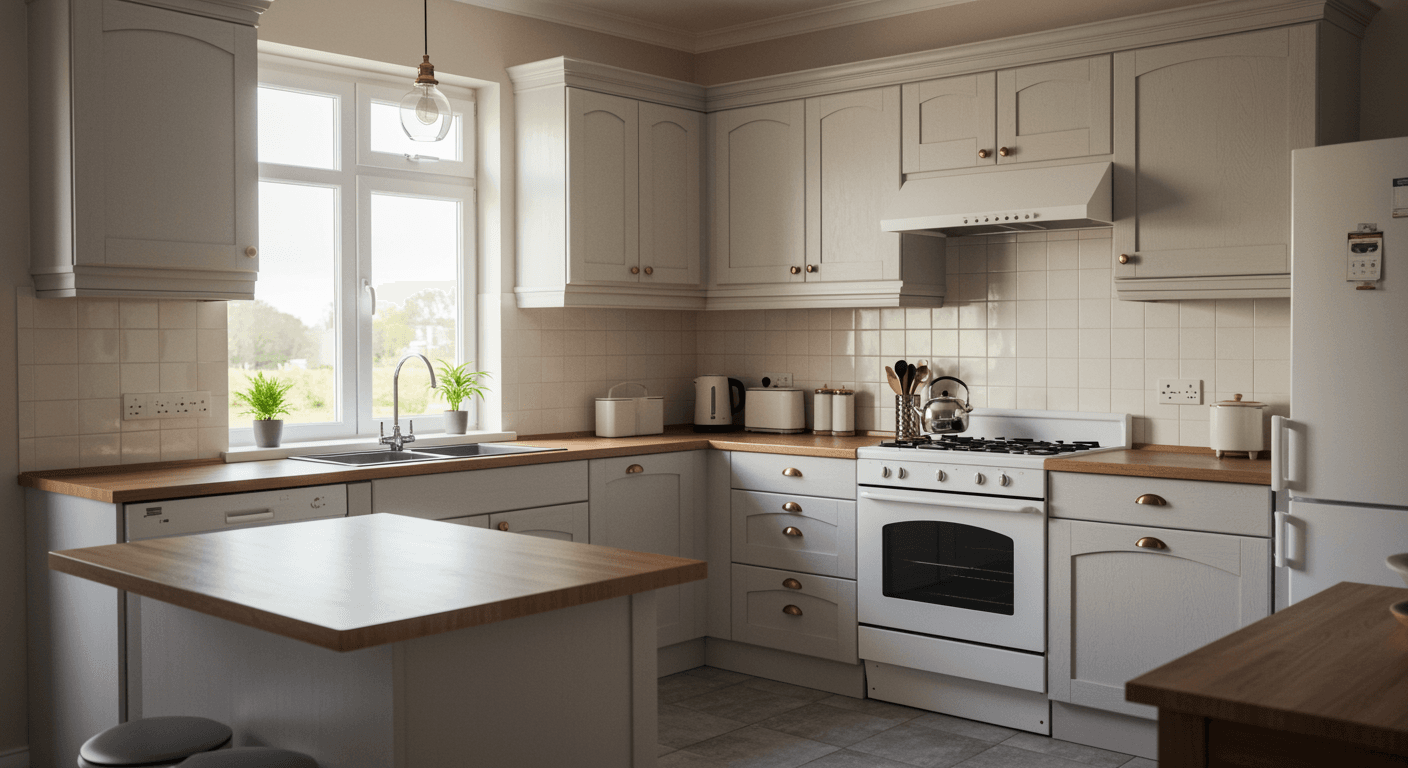
Among the most unique elements in traditional kitchen design is tidy, simple cabinetwork that provides a current and pertinent visual base across shifting trends. Concentrating on fundamental forms like flat-panel or traditional Shaker-style cupboards enables the kitchen to forgo too much ornamentation that could soon seem antiquated.
These fundamental designs bring a youthful element that lasts through time by giving the neighbourhood a crisp, well-balanced, and uncluttered feeling. Because they offer flexibility and blend naturally with changing decorating preferences, lighting circumstances, and hardware choices, neutral or subduedly toned cabinet finishes improve this effect.
Clean cabinetry also facilitates long-term flexibility; homeowners can update the appearance of their kitchen by modifying handles, counters, or backsplashes without having to totally rebuild it. Simple cabinets increase usability rather than just appearance. Well-proportioned cupboard doors, sleek designs, and wise storage options allow simplicity of use; so, the kitchen stays useful as family needs evolve. Premium materials and exquisite craftsmanship are also very vital as they help to retain the cabinet's appearance under typical wear and tear.
Subtle decor on cupboards helps to highlight other components like natural light, textures, or chosen items. Focusing on clarity, minimalism, and intent turns a kitchen modern by means of simple and organised cupboards. It matures wonderfully, defeats visual mayhem, and offers a sense of subdued elegance that will feel contemporary and warm for years.
Anatomy Of A Timeless Kitchen 3: Functional, Thoughtful Layout
Among the most distinguishing characteristics in the anatomy of a classic kitchen is a functional, deliberate design since it affects daily experience of the area. Though tastes in colours, finishes, and materials may change over time, a properly designed setup is always pertinent and useful for years.
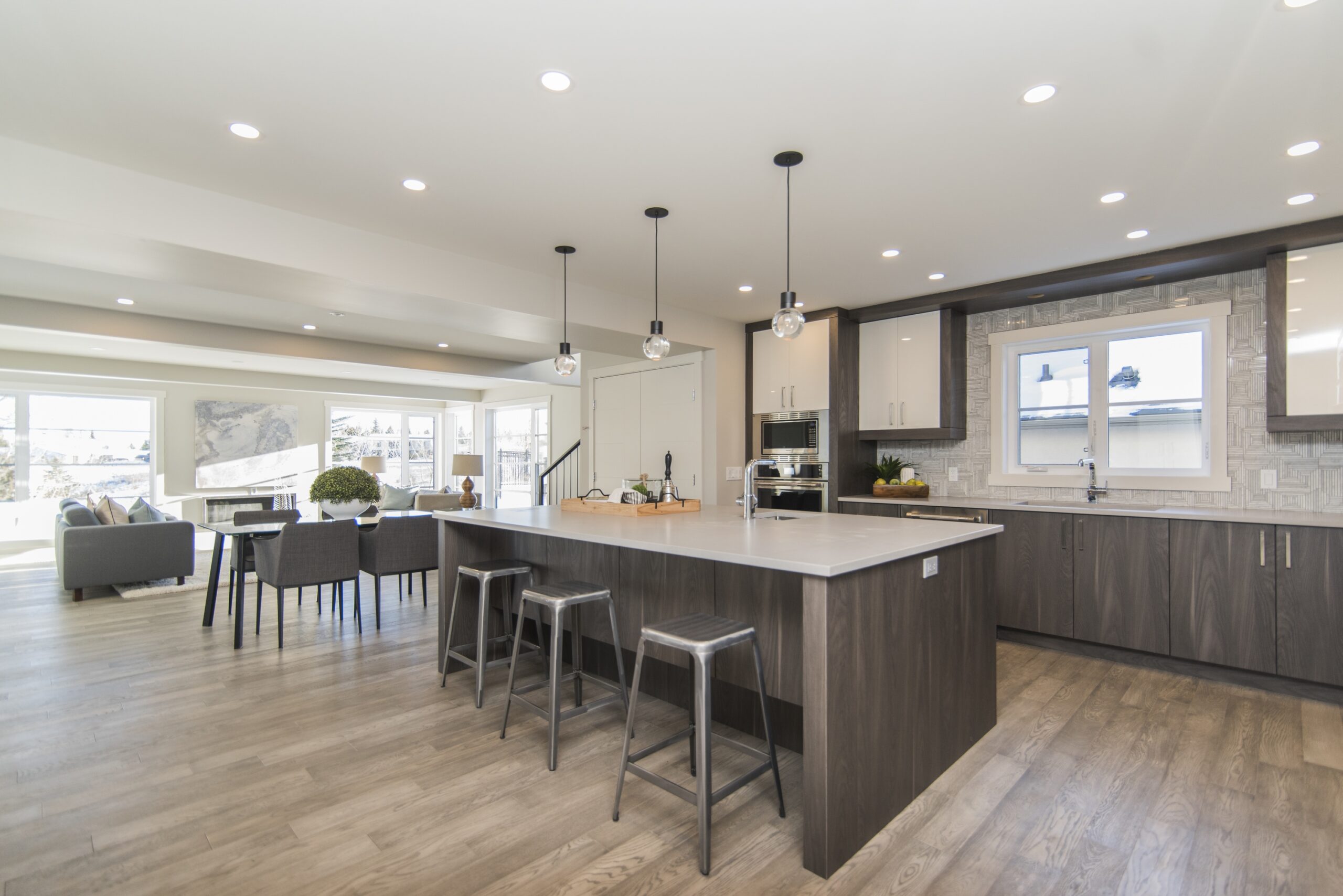
A timeless kitchen arrangement first values efficiency, guaranteeing that motion between major work areas such as the sink, stove, and fridge is natural and smooth. Whether the kitchen is employed for quick dinners or lengthy cooking events, this helps to streamline workflow, improve comfort, and eliminate needless steps. Appropriate counter space near large equipment enables quick food preparation, while deliberate spacing avoids the kitchen seeming constricted or ineffective over time.
Also vital is the equilibrium between transparency and utility; a design that supports interaction without compromising work areas or storage enables the kitchen to fit to evolving lifestyles. Including adaptable design components like islands with multi-purpose use or adjustable storage areas lets the kitchen grow along with changing family needs.
Preventing visual anarchy and congestion, clear circulation paths also help to create a young, tidy atmosphere. Concentrating on ergonomics, usability, and long-term adaptability instead of passing design trends guarantees the kitchen stays cozy, effective, and visually relevant — demonstrating that good design, when based in purpose, never becomes out of date.
Anatomy Of A Timeless Kitchen 4: Timeless Countertop Choices

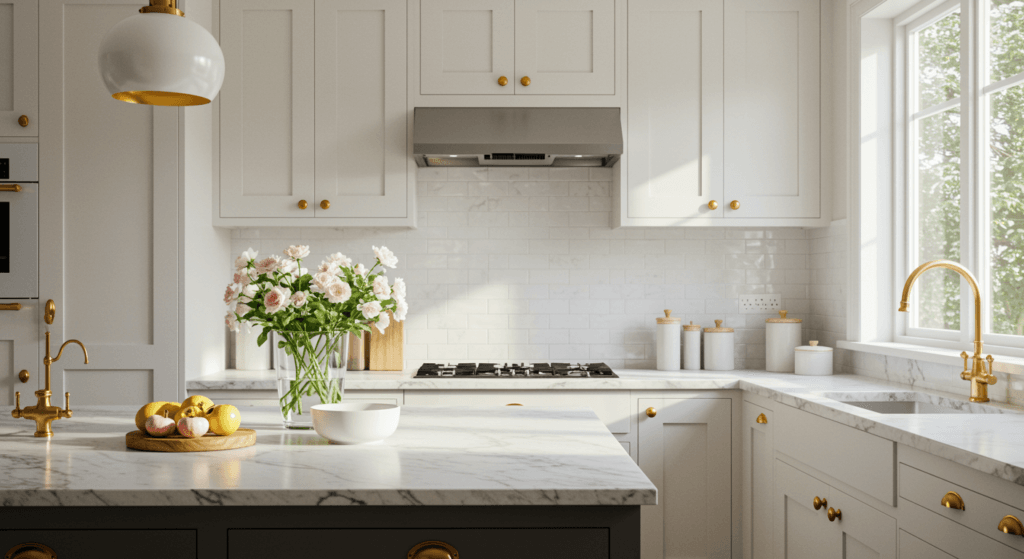
The design of a kitchen that stays aesthetically modern and pertinent for years depends mostly on timeless countertop choices. One of the most dominating surfaces in the room is a countertop, hence control and equilibrium are quite vital. Materials with subdued patterns, delicate veining, or uniform colours typically age much better than strong, high-contrast designs often linked to short-lived trends.
Because they combine durability with subtle elegance, natural stone, engineered quartz, and well-finished solid surfaces are classic popular choices. Warm whites, light greys, beige, and muffled earth tones — neutral colours create a adaptable base that easily fits changing cabinet styles, backsplashes, and decorations. Matte or honed surfaces give a sophisticated, current ambiance and fight fingerprints and visual wear, so keeping the kitchen looking newer for longer. Finish is also really important.
Beyond appearance, classic counters are picked for their long-term performance. Heat resistance, stain resistance, and ease of maintenance guarantee the surface stays usable throughout several life phases, from more laid-back entertaining to hectic family cooking. Maintaining relevance throughout design eras, thick and edge profiles should be kept simple. A carefully chosen countertop serves as a visual anchor, so grounding the kitchen while enabling other features to change over time.
Choosing endurance, understated beauty, and versatility helps classic countertop selections maintain the youthful charm of the kitchen without ongoing modifications, therefore reinforcing the idea that great design is about designing a space that still seems right year after year, not about following trends.
Anatomy Of A Timeless Kitchen 5: Design with Longevity in Mind
Designing a kitchen with endurance in mind entails producing a space that will still appear modern, practical, and emotionally inviting well after fads have passed. In a conventional kitchen, equilibrium precedes opulence so every design choice fits current needs and provides for future flexibility.
Design meant for longevity depends on subdued aesthetics — neutral colour palettes, straightforward shapes, and classic finishes that age beautifully rather than on daring trends. These decisions let the kitchen grow naturally since extras, lights, or soft furniture may be changed without upsetting the fundamental design. Equally important is investing in top grade materials and workmanship. Well finished hardware, strong counters, and sturdy cabinets preserve their look over time, hence lowering the need for frequent upgrades.
Maintaining the youth of the area also depends much on functionality. Careful designs guaranteeing ergonomic heights, lots of storage, and seamless flow let the kitchen run effectively over several phases of life. Constructed for lifetime, a kitchen can adapt to meet growing families, aging residents, or changing cooking tastes without looking obsolete. Another important component, visual tranquility, is offered by pristine surfaces, integrated devices, and covert storage, which provide order never appears dated.
Constructing with long life in mind actually means cosmetically and practically future-proofing the kitchen. Concentrating on everlasting concepts instead of passing fashions guarantees the kitchen's appeal, comfort, and relevance, therefore confirming that a well-designed room not only lives but also keeps youthful appearance.