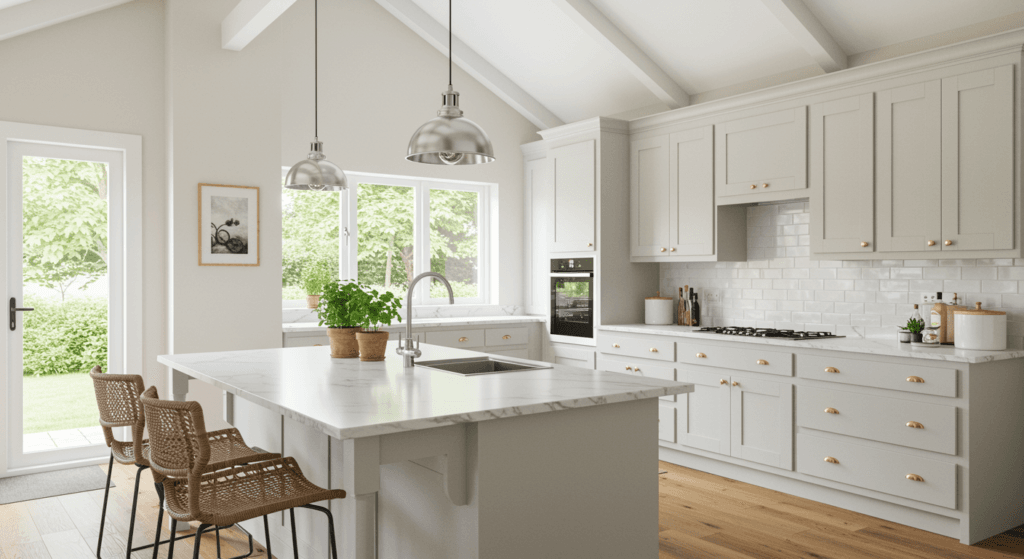

Many homeowners in Johor only realise they have a termite problem after the kitchen cabinets start breaking apart. At first, it may only look like a small crack, swollen panel, or loose cabinet door. A few months later, the damage becomes much worse and the repair cost becomes expensive.
In Johor, termite problems are very common because of the hot weather and high humidity throughout the year. Kitchens are also exposed to moisture daily from cooking, washing, leaking pipes, and steam. When moisture builds up inside cabinets, termites can easily start nesting without being noticed.
For homeowners planning a kitchen renovation, termite prevention should never be ignored. Choosing the right cabinet material and maintaining the kitchen properly can help avoid serious damage in the future.
Why Termites Commonly Attack Kitchen Cabinets
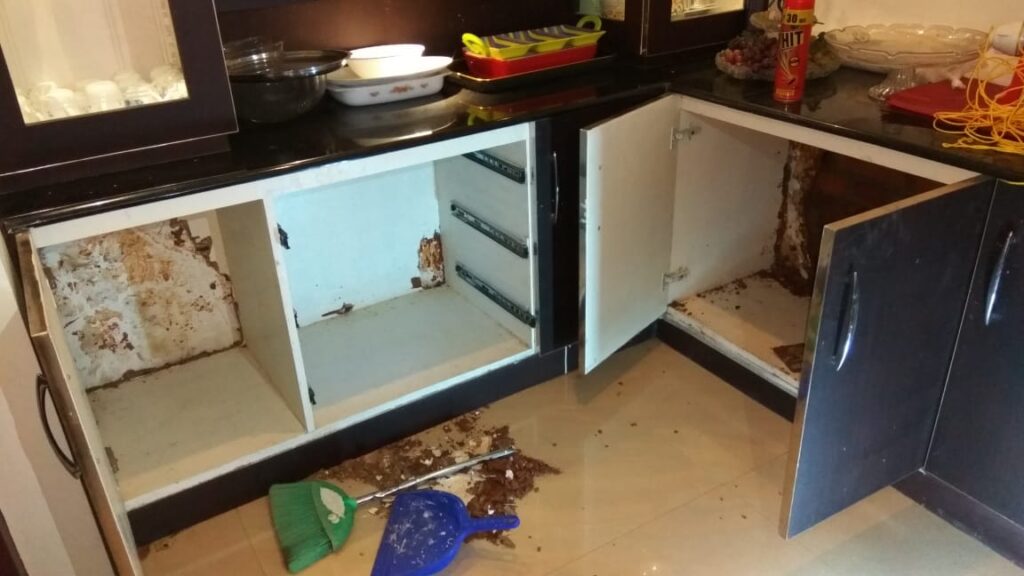
Image Credit: DFM Greenland India
Termites are attracted to places that are dark, damp, and hidden. Kitchen cabinets provide the perfect environment, especially under the sink area where water exposure happens often.
Some common causes of termite problems include:
- Water leakage under the sink
- Poor kitchen ventilation
- Wet cabinet surfaces left untreated
- Low-quality wood materials
- Cabinets installed too close to damp walls
- Old cabinets with damaged surfaces
- Poor workmanship during installation
In many cases, termites spread quietly inside the cabinet structure before any visible damage appears outside.
Early Signs of Termite Damage in Kitchen Cabinets
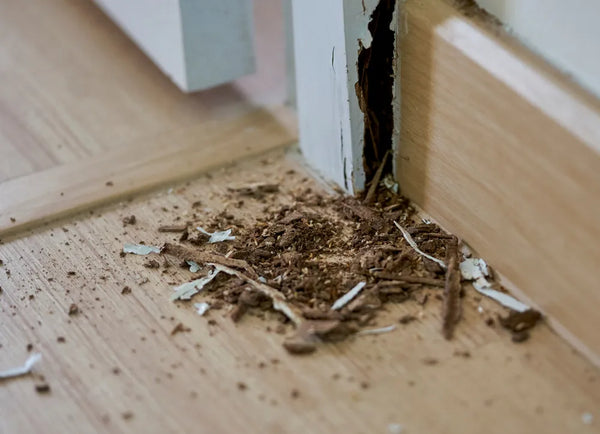
Image Credit: Au Barn Door
Many people confuse termite damage with normal wear and tear. Knowing the warning signs early can help prevent bigger repair costs later.
1. Cabinet Panels Sound Hollow
When knocking on cabinet surfaces, damaged areas may sound empty or soft inside because termites have already eaten through the wood.
2. Swollen or Warped Cabinet Boards
Moisture and termite activity can weaken the cabinet structure, causing the boards to bend or expand.
3. Small Holes or Cracks
Tiny holes on cabinet surfaces may indicate termite entry points.
4. Powder-Like Dust Near Cabinets
You may notice fine wood dust or small debris around cabinet corners or floor areas.
5. Loose Hinges and Doors
Termite damage weakens the internal support of the cabinet, making doors difficult to close properly.
6. Unusual Smell
Some termite infestations create a damp, mouldy smell inside the kitchen area.
If you notice these signs, it is better to inspect immediately before the termites spread further into other furniture or walls.
Choosing the Right Cabinet Material Matters
One of the biggest mistakes homeowners make is choosing cabinet materials based only on appearance or low pricing.
Different materials perform differently in Johor’s humid environment.
1. Solid Plywood Cabinets
Solid plywood is commonly used for kitchen cabinets because it is stronger than normal particle board.
Benefits include:
- Better durability
- Longer lifespan
- Stronger cabinet structure
- More suitable for dry kitchen areas
However, plywood is still wood-based material. If exposed to constant moisture, termites can still attack over time.
2. Aluminium Kitchen Cabinets
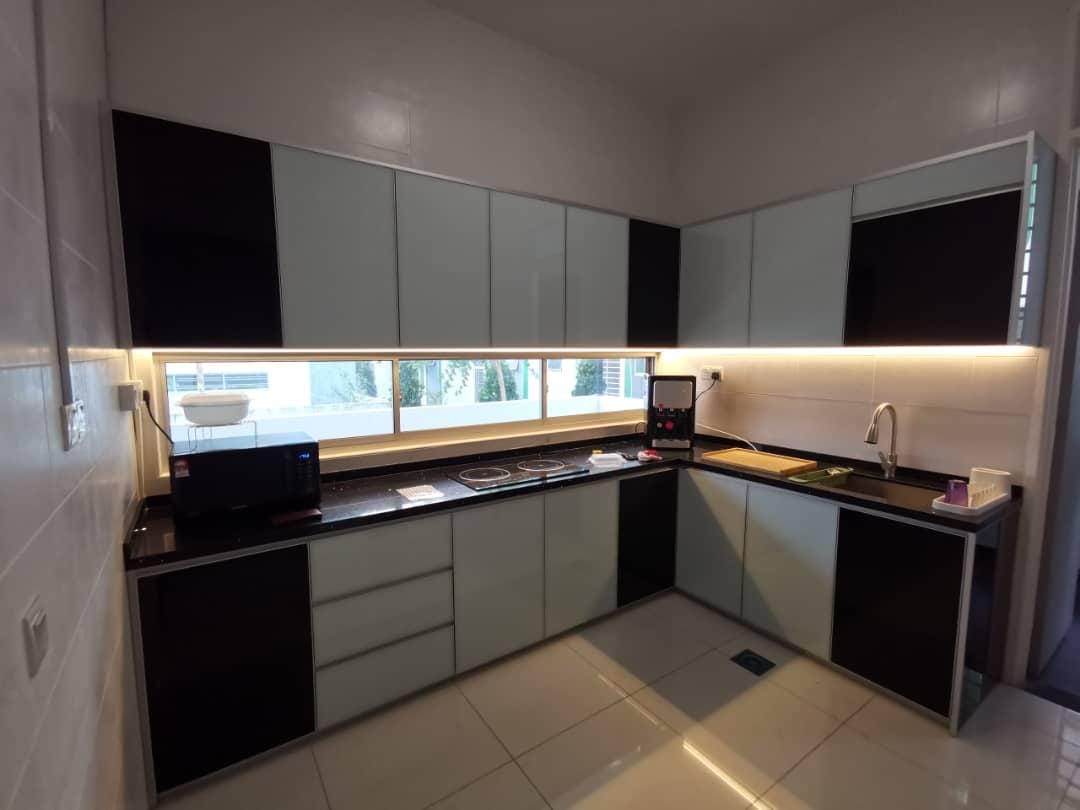
Many Johor homeowners now prefer aluminium cabinets for wet kitchens because they are more resistant to moisture and termite problems.
Benefits include:
- Does not attract termites
- Water-resistant material
- Suitable for humid kitchens
- Easier maintenance
- Long-term durability
Although aluminium cabinets may cost more at the beginning, many homeowners find them more worthwhile over the long term because they reduce future repair costs.
Simple Ways to Prevent Termite Damage
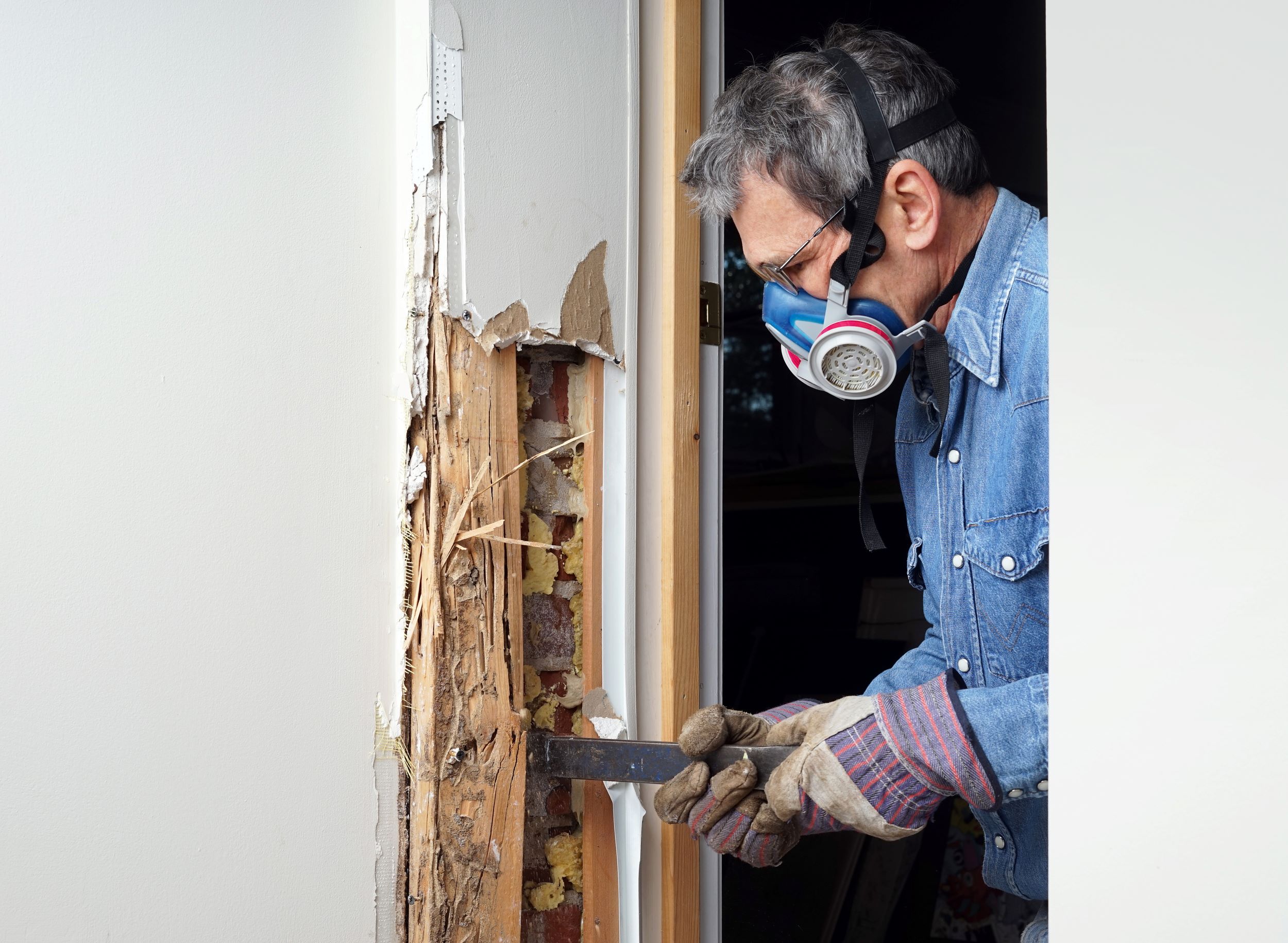
Image Credit: Encapsulations Down Under
Preventing termites does not always require complicated treatment. Small maintenance habits can already reduce the risk significantly.
1. Keep the Kitchen Dry
Always wipe away water spills quickly and avoid leaving wet cloths inside cabinets.
2. Repair Leaking Pipes Immediately
Even small leaks can create moisture problems over time.
3. Improve Kitchen Ventilation
Good airflow helps reduce trapped humidity inside cabinets.
4. Avoid Storing Wet Items
Do not keep wet cleaning tools or soaked items inside enclosed cabinet spaces.
5. Schedule Regular Inspection
Checking hidden cabinet areas every few months helps detect early signs of damage.
6. Use Better Quality Materials
Higher-quality cabinet materials usually last longer and handle moisture better.
Why Professional Installation Is Important
Even expensive cabinets can fail if installed incorrectly.
Poor workmanship may cause:
- Improper sealing
- Water leakage around sink areas
- Weak cabinet joints
- Trapped moisture inside panels
- Uneven cabinet support
Professional cabinet planning helps reduce long-term problems by considering ventilation, plumbing position, and material suitability based on the kitchen layout.
Smart Ways to Keep Kitchen Cabinets Safe From Termites
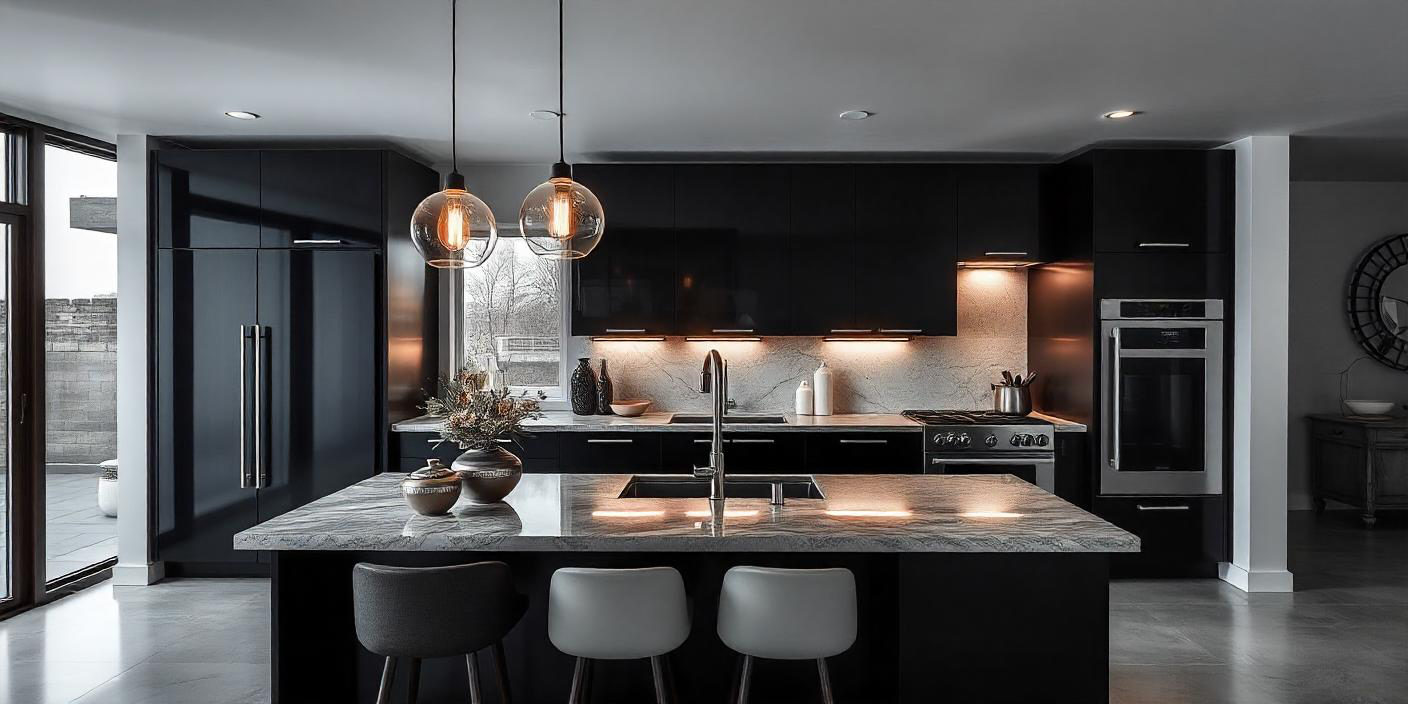
Termite damage in kitchen cabinets is a common issue in Johor homes, especially when moisture problems are ignored. Once termites spread inside the cabinet structure, repairs can become expensive and time-consuming.
By choosing suitable cabinet materials, maintaining proper ventilation, fixing leaks early, and paying attention to warning signs, homeowners can better protect their kitchen cabinets from serious termite damage.
A well-planned kitchen is not only about appearance. It should also be practical, durable, and able to handle Johor’s humid environment for long-term daily use.