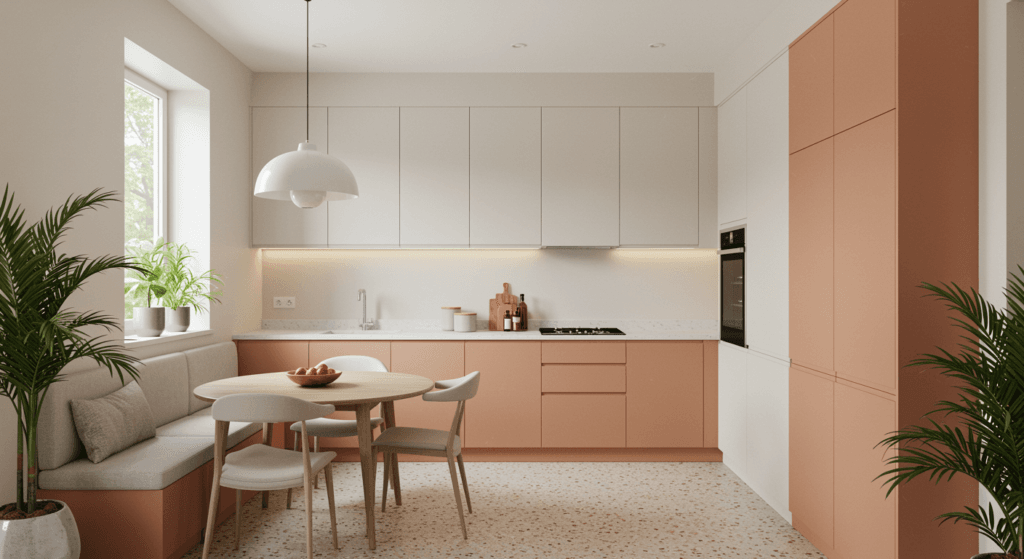

Kitchen cabinet nightmares usually result from bad design and conflicting themes, which transform a formerly appealing kitchen into a crowded, ineffective area. Picking the improper finishes or materials can rapidly spiral into pricey errors that are challenging to correct. Avoiding these frequent design mistakes calls for careful measurement, creative arranging, and choosing robust, unified designs.
Kitchen Cabinet Nightmares 1: Poor Space Planning
One of the most frequent kitchen cabinet nightmares, bad spatial planning is frequently the underlying reason behind ongoing irritation in the kitchen. Designing cabinet layouts without properly thinking about movement flow, appliance clearances, and daily use habits can rapidly make the area cramped and ineffective.
One often missteps is positioning cupboards too closely such that small hallways make it unpleasant for more than one person to be working in the kitchen at once. When cabinet doors or drawers hit equipment like stoves, freezers, or dishwashers, another problem develops causing functioning to be hampered and wear and tear to grow over time.
Often transforming into unreachable areas where items are forgotten or neglected, poorly designed corner cabinets also significantly contribute to wasted space. Lack of preparation might also result in small counter space, necessitating that homeowners multitask food preparation activities in confined locations. Furthermore neglecting vertical space can lead to cupboards either too high to reach or too low to fully utilise available wall height, therefore lowering general storage efficiency.
Without adequate preparation, even a large kitchen can feel disordered; while a little kitchen can become overpowering and untidy. Precise measurements, distinct workflow division, and careful cupboard placement are critical to prevent these design mishaps. Early space planning enables homeowners to guarantee their kitchen cupboards enable fluid mobility, improved order, and a more pleasant daily cooking experience by day.
Kitchen Cabinet Nightmares 2: Choosing the Wrong Materials
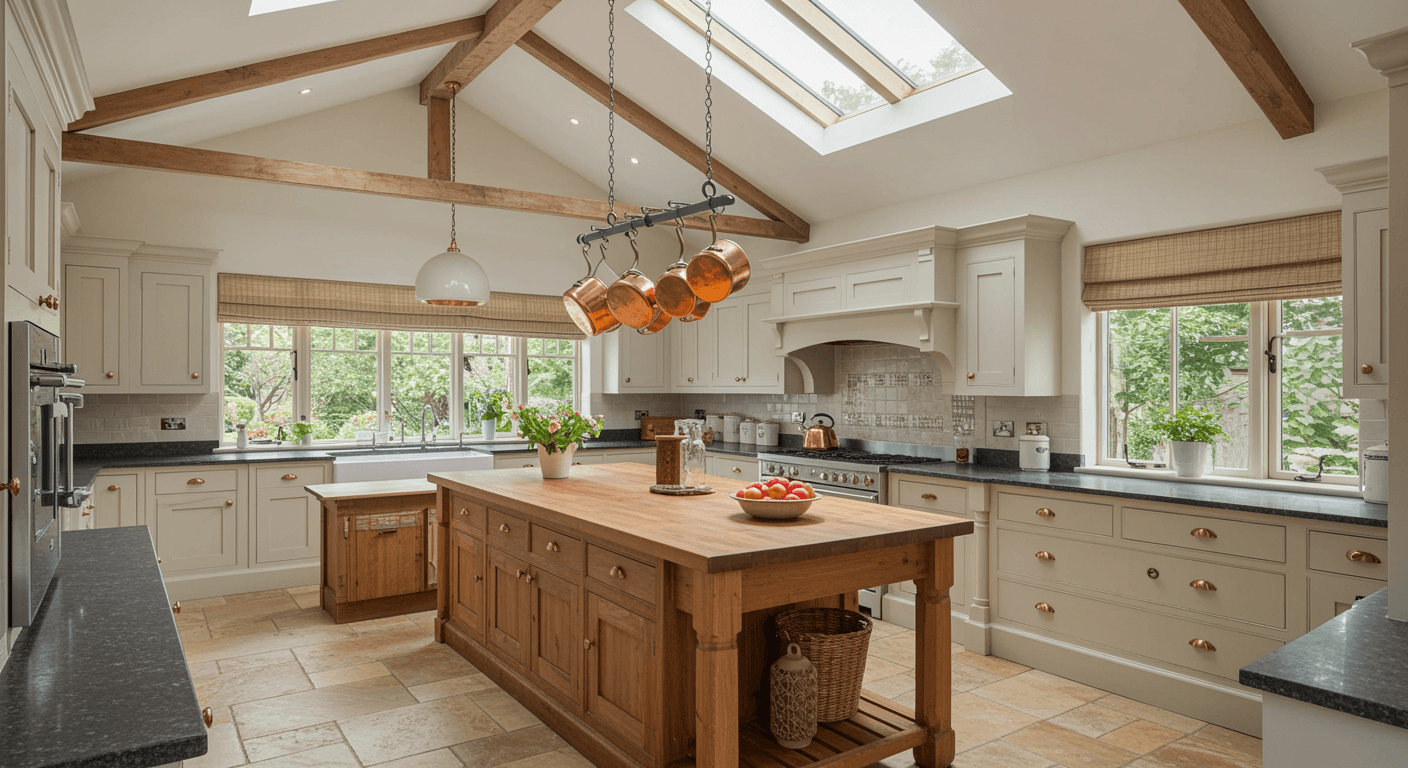
Selecting the wrong materials is among the most frequent causes of kitchen cabinet nightmares; usually resulting in expensive repairs and ongoing displeasure. Because kitchens are often cleaned and subjected to heat, moisture, and oil, material choice is a crucial design choice instead of just a purely cosmetic one.
Particularly in tropical settings, cabinets constructed from low-quality particleboard or non-moisture-resistant materials can easily swell, distort, or delaminate under humidity. Similarly, over time finishes not resistant to heat or scratching may peel, fade, or stain — quickly reducing the beauty of the kitchen.Ignoring how different materials age is yet another typical error; what looks stylish and contemporary at first may show wear, fingerprints, or discolouration within months of daily use.
Homeowners could also select hard-to-maintain materials that call for expert cleaning or regular care, which goes against their way of life. In some situations, blending opposing cabinet cores and surface treatments that is, using incompatible materials can cause unequal expansion and structural problems. Choosing less expensive hardware in addition to high-end cabinet panels could also compromise general endurance because hinges and runners might fail earlier than the cabinets itself.
To prevent these design mistakes, it is vital to first consider materials made especially for kitchen usage that resist heat and humidity and strike a balance of aesthetic appeal with longevity. Careful selection of materials guarantees cabinets will run dependably for years to come in addition to looking great.
Kitchen Cabinet Nightmares 3: Insufficient Storage Solutions
One of the most frequent kitchen cabinet nightmares, insufficient storage solutions often come from subpar preparation rather than lack of room. Cabinets created without a clear awareness of daily cooking habits quickly fall short in storage requirements, producing congested countertops, overfilled drawers, and hard-to-reach goods.
Storing necessities like pots and pans, pantry goods, and small appliances neatly can be challenging with shallow shelves, few base cabinets, or the lack of tall units. Over time, this lack of organisation not only compromises functionality but also messes with the whole visual appeal of the kitchen. Neglecting internal cabinet fittings, where empty boxes take the place of intelligent storage systems, is another typical error.
Valuable space is lost without pull-out baskets, drawer dividers, or corner solutions; items quickly forgotten at the back of cabinets. Workflow is also affected by inadequate storage since regularly looking for ingredients or silverware may be annoying and ineffective for daily cooking. To prevent this design failure, storage strategy should be customised to lifestyle demands considering cooking frequency, household size, and future needs.
Combining full-height cabinets, vertical storage, and custom interior organisers enables one to make the most of every inch of space while maintaining the cleanliness and functionality of the kitchen. Starting with intelligent storage solutions helps homeowners avoid cabinet overcrowding and guarantee their kitchen stays functional, ordered, and pleasant to use for years ahead.
Kitchen Cabinet Nightmares 4: Ignoring Ergonomics
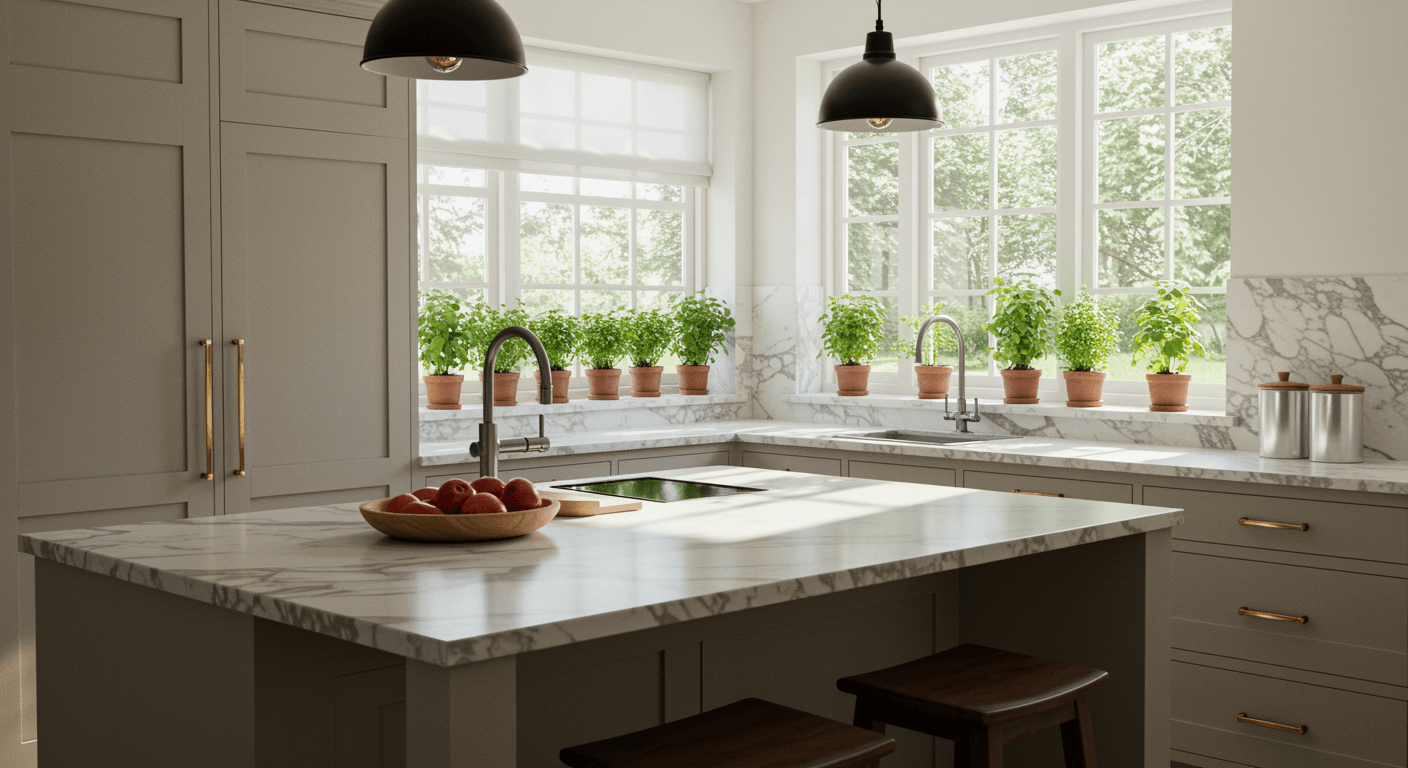
One of the most frequent yet underestimated reasons for kitchen cabinet nightmares is disregard for ergonomics; frequently, this transforms a beautiful kitchen into an unpleasant and inefficient area. Basic activities like reaching for dishes or accessing lower storage can become aggravating or even physically taxing when cabinet heights, depths, and locations are not geared on the user’s daily behaviour.
Though they seem elegant, overhead cabinets put in too high make people have to constantly stretch, therefore raising the risk of shoulder and neck ache. Conversely, basic cabinets with shelves that are excessively deep cause items to vanish at the back, therefore resulting in clumsy bending and repeated motions. Furthermore influencing often used areas is inadequate ergonomic design, which manifests itself as placing drawers too low or not including pull-out options and causes needless squatting and reach.
Badly placed cabinets can in extreme cases limit movement in busy zones or obstruct appliance doors, giving the kitchen claustrophobic and dangerous character. One has to think about who would be using the kitchen and how often in order to prevent these design mishaps. Good ergonomic design has soft-close drawers and pull-out shelves as well as comfy counter heights and readily accessible storage for daily necessities.
Homeowners who give ergonomics top priority from the beginning may guarantee that their kitchen cupboards support natural movement, minimise physical stress, and create a space that is aesthetically pleasing and really functional for long-term usage.
Kitchen Cabinet Nightmares 5: Design Over Function
Frequently stemming from giving visual appeal above practical utility, design over function is among the most frequent causes of kitchen cabinet nightmares. Although elegant, handle-less cupboards or hyper-minimalist designs could look great in showrooms and internet inspiration boards, they can be annoying in real-world usage if practicality is overlooked.
Cabinets lacking adequate grip points may be challenging to open, especially with oily or wet hands, whereas glossy or dark finishes can readily show scratches and fingerprints, therefore elevating maintenance demands. Shallow drawers, bad corner cabinets, or permanent shelving selected only for aesthetic symmetry can limit storage efficiency and make it harder to access frequently used items.
Homeowners in some instances choose unusual materials or vivid finishes not appropriate for high-traffic kitchen settings, therefore speeding wear and tear. Badly designed design-oriented layouts may also obstruct appliance doors, limit movement, or interrupt workflow, hence turning everyday cooking activities into inconveniences. Avoiding these design catastrophes requires finding a balance between aesthetics and utility by taking into account daily use of the kitchen.
Ergonomic heights, robust coatings, useful interior components, and user-friendly hardware should all be included in thoughtful cabinet design without sacrificing aesthetic value. In essence, a well-designed kitchen cabinet system is one that looks great while simultaneously promoting long-term usability, comfort, and efficiency.