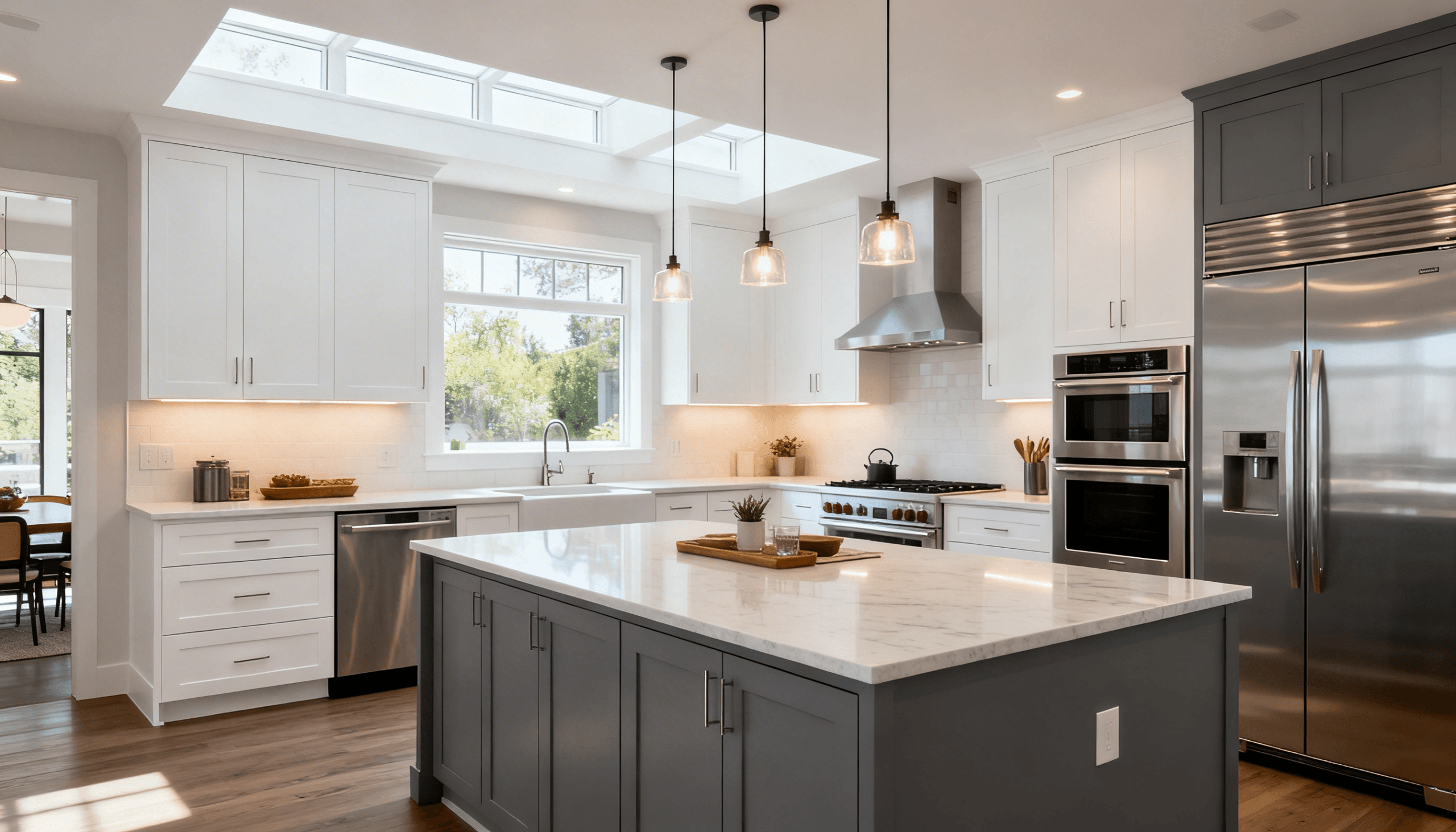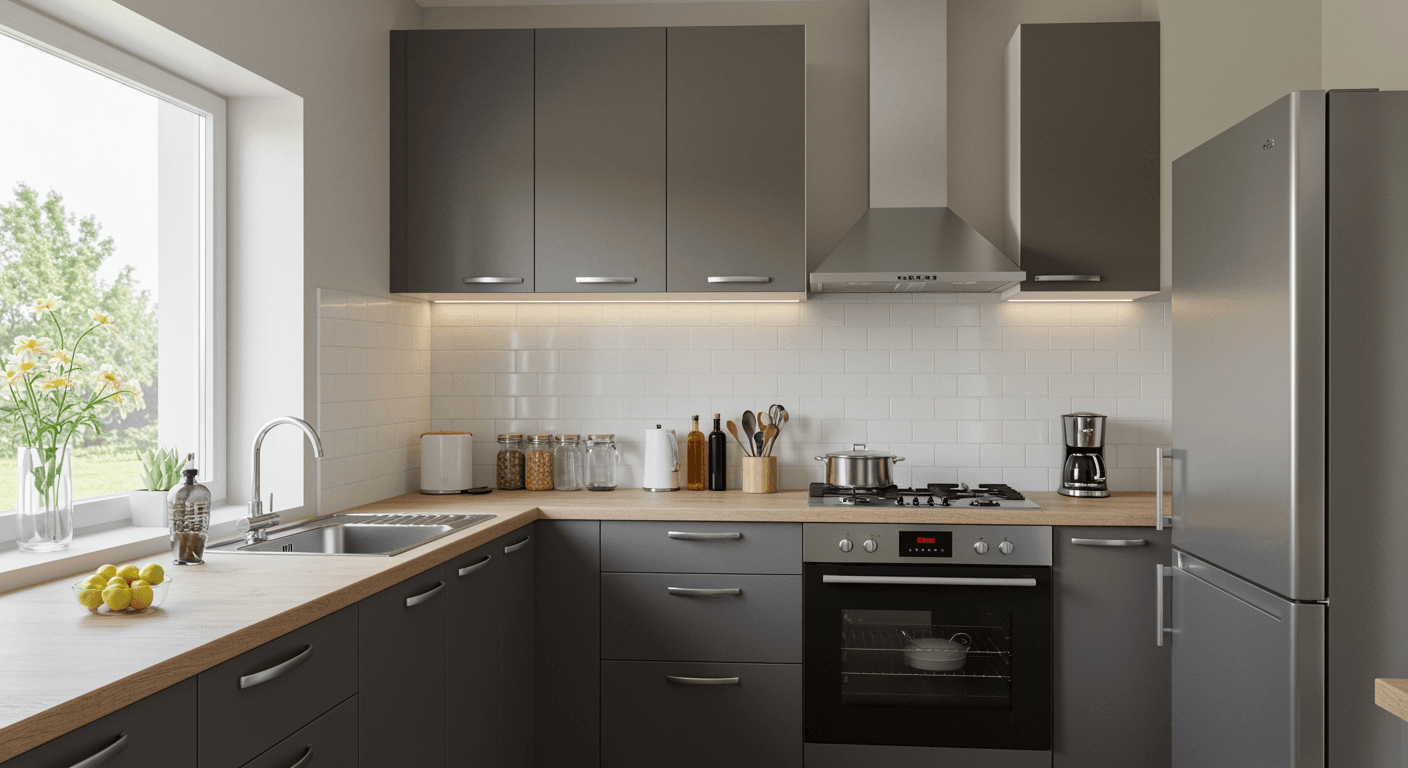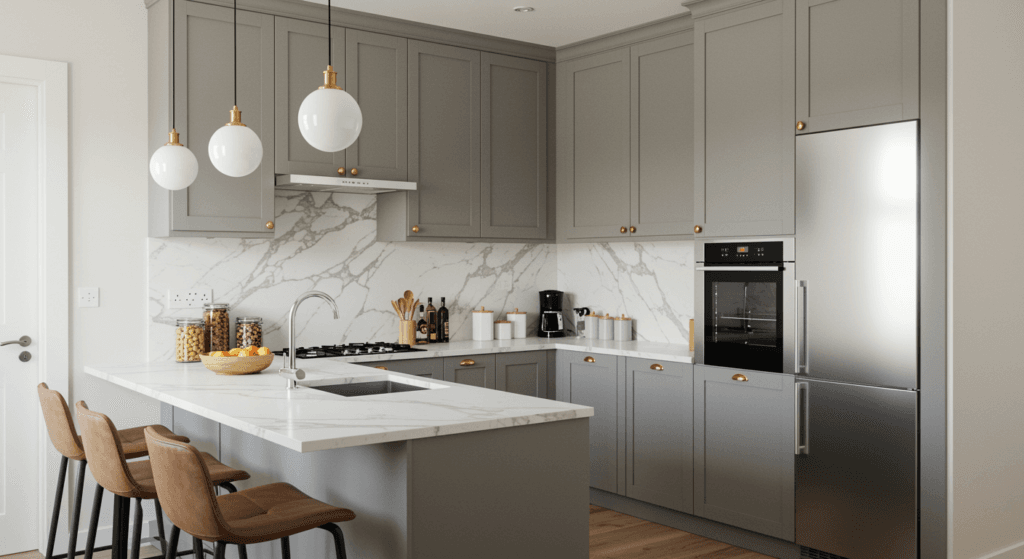

The forever home values comfort and autonomy, ensuring every area adjusts to your evolving requirements. With simple-to-reach storage, flexible shelves, and smart ergonomics, adaptive cabinet is absolutely critical. Giving accessibility top priority lets homeowners age gracefully in place without sacrificing design or usability.
The Forever Home 1: Improved Accessibility
Better accessibility is one of the most crucial components of The Forever Home; hence, adaptive cabinets are very important in allowing elegant and functional aging in place. Traditional fixed-height cabinets and deep shelves can develop into everyday hurdles as mobility, flexibility, and strength naturally vary over time.
By reexamining ease of use, height, and reach, adaptive cabinetwork addresses this. Features like pull-out drawers, roll-out trays, and full-extension shelving push stored items forward instead of requiring homeowners to stoop or stretch, hence lowering physical load and fall risk. While base cabinets with little depths increase visibility and accessibility, decreased wall cabinets or pull-down systems allow upper storage to be accessible without step stools.
Adaptive cabinetry helps wheelchair users or those who prefer to sit while working by enabling pleasant use whether standing or seated in kitchens and restrooms thanks to adjustable cabinet heights and knee-clearance designs. Prioritising accessibility from the start, adaptive cabinetry eliminates the need for intrusive and costly modifications later in life. Even small details such more cabinet openings and strategically placed storage spaces may dramatically improve daily usability.
More basic it lets homeowners retain independence in everyday activities — cooking, cleaning, and organising inside a familiar setting. Improved access in a permanent home by adaptive cabinetry is about creating a living space that grows gently with its occupants, so nurturing comfort, confidence, and long-term quality of life, not just for simplicity.
The Forever Home 2: Ergonomic and Safety-Focused Design
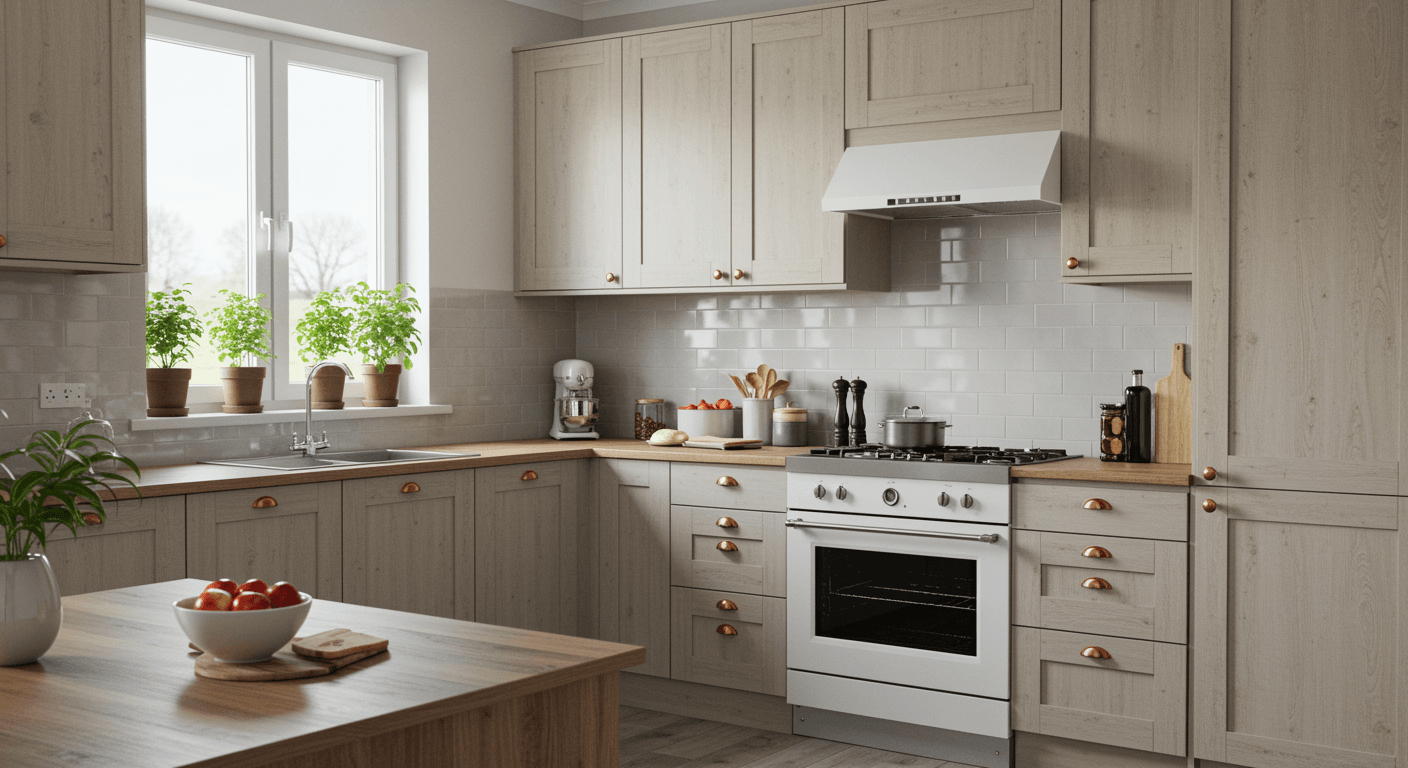
Ergonomic and safety-oriented design becomes a cornerstone of adaptive cabinetry in an increasingly bigger home as it directly advances comfort, freedom, and accident prevention for aging homeowners. Unlike traditional cabinets, ergonomic designs are founded on natural body movements, reduced energy, and varying mobility needs.
Cabinets positioned at perfect heights reduce stress on the back, shoulders, and joints by restricting too much bending, stretching, or reaching. Wide, full-extension drawers let customers see and access items without unpleasant posture; pull-out shelves get rid of leaning too far into cabinets. Soft-close hinges and drawer systems — a need for those with weaker hand strength or slower reaction times increase safety by avoiding sudden banging and lowering the chance of caught fingers.
Intended for little force movement, basic-grip handles like D-shaped or recessed pulls are great for persons with arthritis or restricted hand mobility. Rounded corner and cabinet edges especially in busy kitchen or bathroom settings can help to reduce damage from unintentional bumps. Right lighting put inside cabinets increases visibility as well, therefore reducing the likelihood of falls or accidents during everyday chores.
Together these ergonomically and safety-oriented features provide a caring environment that fits the homeowner rather than compel the homeowner to fit into the space. Such careful cabinet design improves self-confidence and independence aging in situ as well as physical well-being, hence enabling homeowners to safely and easily continue living in their homes for many years.
The Forever Home 3: Custom Height and Configuration
The concept of a forever home centres on custom height and configuration since they enable cabinetry to fit evolving physical requirements over time without compromising comfort or aesthetics. Tasks once felt simple like reaching high shelves, stooping to reach lower cabinets, or standing for extended durations could become difficult or even dangerous as homeowners get older.
Adaptive cabinetry solves this by providing custom heights for wall cabinets, storage units, and counters, therefore guaranteeing daily tasks remain simple and strain-free. Multi-level counters, for instance, accommodate both seated and standing use, thus perfect for homeowners who could come to rely on mobility devices, wheelchairs, or stools. Reduced work surfaces with knee clearance let one seated to cook or do home chores comfortably, hence fostering independence rather than dependency on help.
Adjustable shelving solutions improve flexibility even more by letting cabinet interiors be rearranged over time as storage requirements or reach distances evolve. Thoughtful layout lowers fall risk and speeds up work by putting often used items inside the most easily reachable areas, therefore minimising needless movement. Custom height cabinet design is meant around the homeowner's current way of living as well as to anticipate future needs; hence, it is not a one-size-fits-all remedy.
With this progressive approach, custom height and arrangement turn furniture into a long-term investment that develops with the homeowner and reinforces the comfort, safety, and practicality defining a genuine forever home by emphasising ergonomic proportions and flexible layouts, so reducing future costly renovations and supporting aging in place with dignity and confidence.
The Forever Home 4: Universal and Inclusive Design Principles
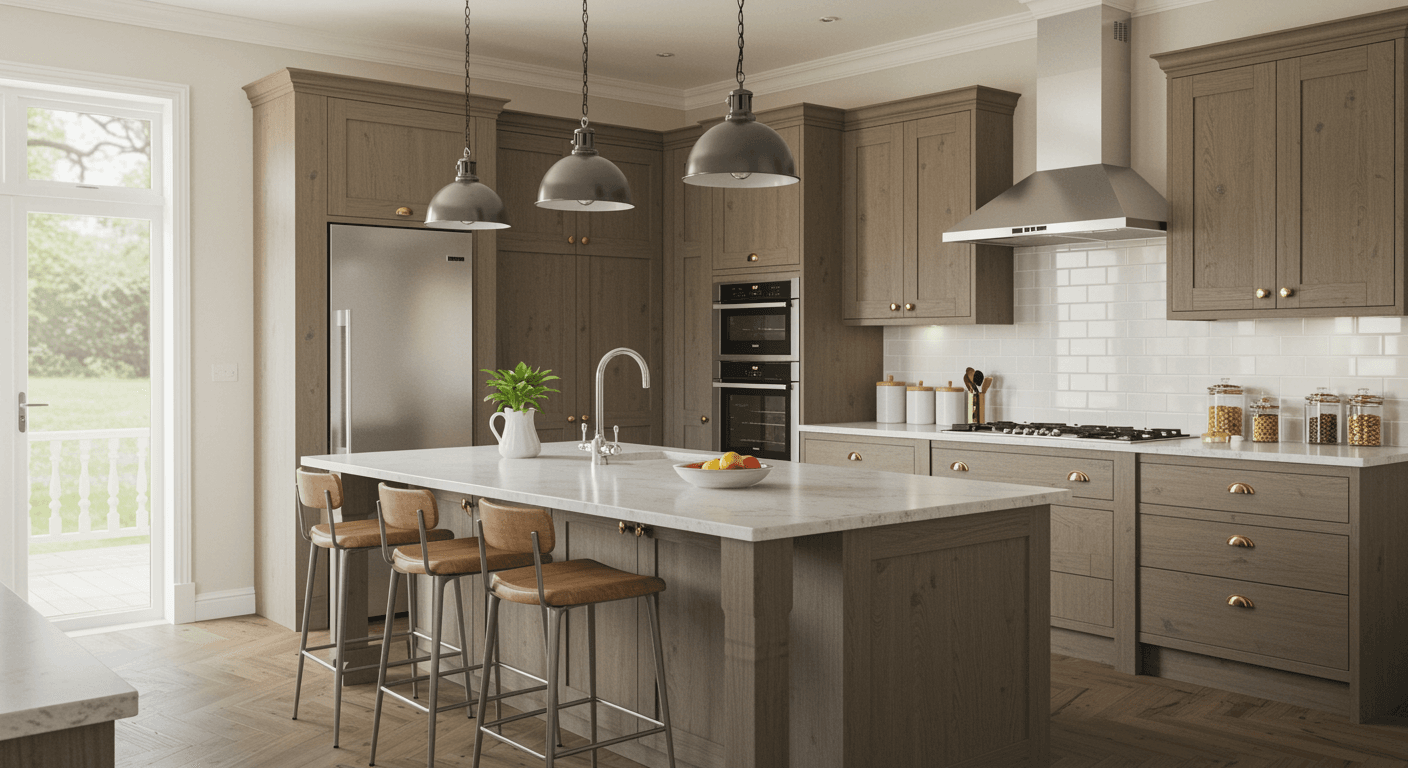
Universal and inclusive design concepts support a genuine permanent home, so guaranteeing that adaptive cabinetry enables residents to live comfortably across all life stages without continuous refurbishment. Universal design aspires to provide cabinets appropriate naturally for everyone — children, adults, seniors, and those with various physical abilities not only for elderly users.
Flexibility, safety, and simplicity of use must come first in aging in place. Universal cabinet design takes into account optimum reach ranges so that often used objects may be retrieved without too much reaching, bending, or climbing. Full-extension drawers, pull-out shelves, and corner solutions enhance visibility and functionality, so lowering physical load and accident risk.
Inclusive design encourages hardware and functionality as well; so, it favours simple-grip handles, soft-close mechanisms, and smooth-gliding systems that need little work thus perfectly fit for consumers with impaired mobility or strength. Universal design helps adaptable cabinetry clearly avoid a corporate or drab look. Rather, it subtly blends present design with practicality to ensure the house remains elegant and welcoming while gently addressing shifting needs.
Flexible interior fixtures, modular cabinetry components, and height-adjustable shelving let rooms develop over time to match seated use or mobility aids without significant structural changes. Universal and inclusive design ideas also support this growth. Proactive investment in adaptive cabinetry guarantees the house stays liveable, appealing, and practical for years to come while also increasing independence, dignity, and long-term comfort.
The Forever Home 5: Long-Term Independence and Comfort
The forever house revolves on long-term independence and comfort; adaptive cabinetry supports dignified and practical aging in place. Homeowners may confidently and securely go on with their usual activities as physical strength, mobility, and reach naturally shift over time thanks to cabinetry that fits the user rather than forcing the user to adapt to the space.
Minimising the necessity of too much force and unpleasant movements therefore reducing the chance of strain or injury are features like soft-close mechanisms, simple-grip handles, and pull-out drawers instead of deep shelves. Adjustable shelving and varied cabinet heights make rooms useful whether one is standing, seated, or using mobility aids, hence guaranteeing the kitchen or lavatory stays functional for years to come.
Furthermore aiding people to cook, clean, and organise independently, adaptive cabinetry lowers caregiver dependence and promotes the maintenance of self-esteem and emotional well-being — both of which are very important. By reducing daily task exhaustion and irritation, intuitive designs with commonly used items readily accessible enhance comfort even more.
Notably, by gracefully combining ergonomic function with classic design, adaptive cabinetry enables homeowners to live in familiar surroundings with sentimental value, therefore permitting long-term habitation without the need for disruptive repairs at later life. Adaptive cabinets guarantees that a house stays welcoming, safe, and comfortable throughout every life stage, making it a real forever home that encourages independence, independence, and peace of mind.