
The pantry refresh is all about reevaluating how your storage serves your lifestyle in 2026. Decluttering expired goods, organising basics, and using transparent, stackable containers helps you to keep your pantry simpler to manage and more visually peaceful. Careful details like tags, pull-out shelves, and constant storage solutions assist to establish a clutter-free environment that lasts long.
The Pantry Refresh 1: Start With a Full Clear-Out
Starting with a complete clear-out, a good pantry renovation in 2026 lays the ground for a genuinely functional and tidy area. Begin by removing every item from your cupboards, cabinets, and storage containers; although it seems time-consuming, doing so helps you to clearly understand your inventory and how much space you actually have.
As you go over every item, double-check expiration dates and discard any obsolete, stunted, or toxic to consume things. Only keeping objects bought with good purpose but never used generates unwanted mess; be honest with yourself about them.
Providing neighbouring food banks or community pantries with unopened, non-expired food that no longer suits your tastes helps reduce food waste and contribute back. Wipe down surfaces, vacuum crumbs, and address sticky spills commonly forgotten to make the empty shelves clean very effectively. This phase offers a fresh, motivating beginning for home remodelling in addition to enhanced hygiene.
Furthermore helping you identify problem areas such double items, poor visibility, or overbuying, a whole clear-out will let you better organise storage solutions ahead. Starting your pantry overhaul with a blank slate gives you clear goals for what belongs in your cabinet in 2026, so simplifying year-round keeping of clutter-free, aware, and organised.
The Pantry Refresh 2: Use Clear, Consistent Storage
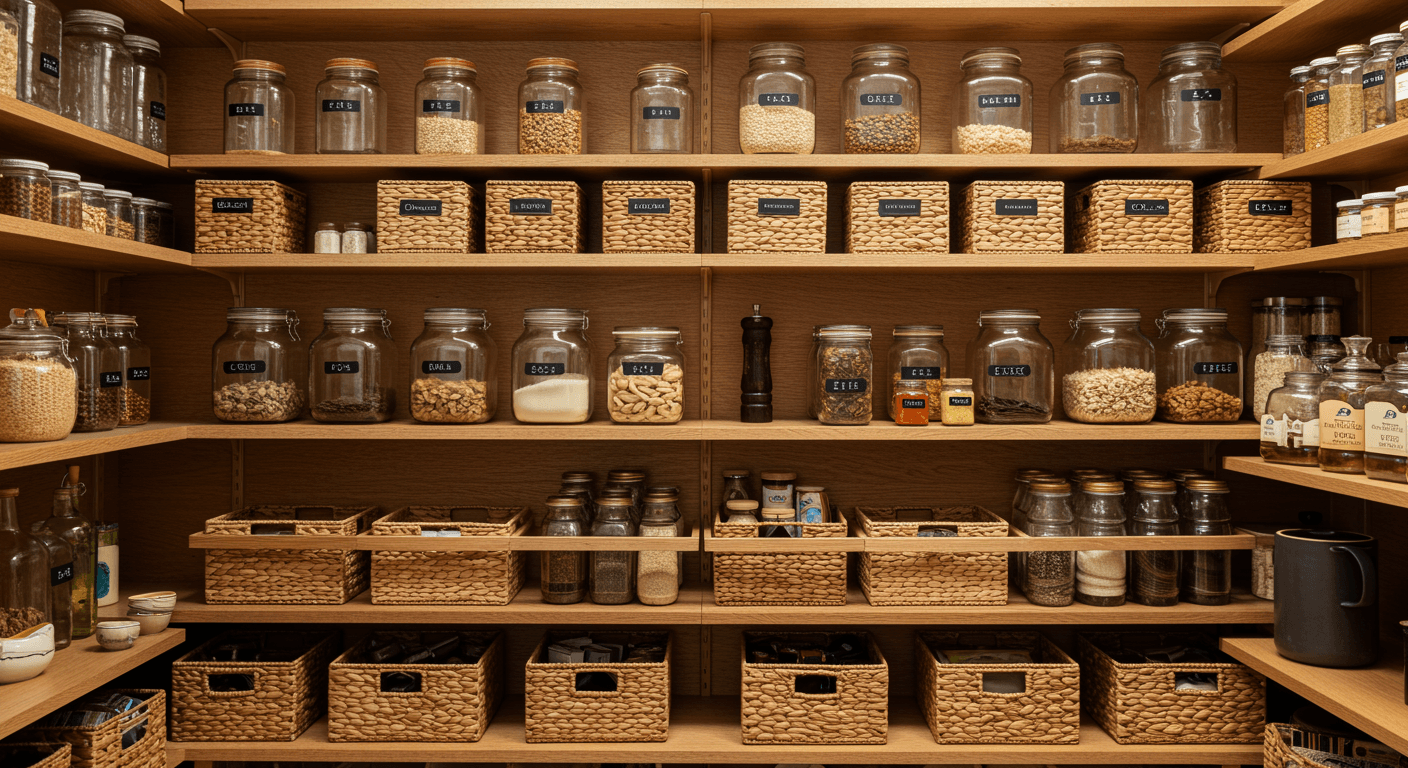
Vital tips for a clutter-free 2026 depend on accurate, regular storage to create an organised, efficient, and visually soothing pantry. Clear containers enable you to instantly see precisely what you have, hence saving the bother of going over half-open boxes or forgotten products flung to the back of shelves.
Besides reducing visual clutter, arranging dry goods such rice, pasta, flour, cereals, and snacks in clean, airtight containers helps you to guard food from moisture, insects, and staleness. Particularly in smaller pantries, uniform containers stack well and make better use of vertical space by form and size homogeneity helps to enhance organisation.
Labels are equally crucial; legible, clear ones enable every family member to know where goods belong and guarantee ongoing maintenance of pantry arrangements. Enhanced food rotation and reduced garbage depend on elements such as contents and best-by dates. Also best arranged and within easy reach in clear bins are smaller or irregularly shaped items such as spice packets, baking sprinkles, or snack bars.
Not only tidiness, pantry management in 2026 is about creating systems that promote better shopping, faster cooking, and sustainable living. Consistent, separate storage in a neatly kept pantry transforms daily cooking into a more enjoyable, simpler activity that also reinforces habits that keep clutter from coming back.
The Pantry Refresh 3: Prioritise Accessibility
Accessibility is a pillar of a well-organised pantry should aid simplicity, efficiency, and daily life. Access begins with good organisation. Daily consumption goods such as cooking oils, spices, breakfast necessities, and snacks should be kept at eye level or within easy reach.
Faster and less aggravating meal preparation from this reduces needless stretching, bending, and looking. Objects used less regularly such as large reserves, special-occasion ingredients, or seasonal baking supplies can be stored on higher or lower shelves without upsetting everyday traffic.
Especially in larger, more complicated pantries where items occasionally vanish at the back, adding pull-out drawers, sliding baskets, or lazy Susans can drastically increase visibility. Open bins and transparent containers help you to identify their contents. Giving child-friendly snacks a bottom shelf helps youngsters develop independence and keeps the rest of the pantry organised.
Accessibility also demands consideration of safety: heavy items should be kept at waist height to avoid straining; glass containers are ideally stored away from tall shelves. In 2026, pantry access represents a wiser, more inclusive method of home arranging encompassing all ages and abilities; it goes beyond comfort. Building your pantry around your mobility, cooking, and lifestyle habits enables you to create a neat, natural, efficient, and pleasant-to-use-every-day area.
The Pantry Refresh 4: Establish Simple Maintenance Habits
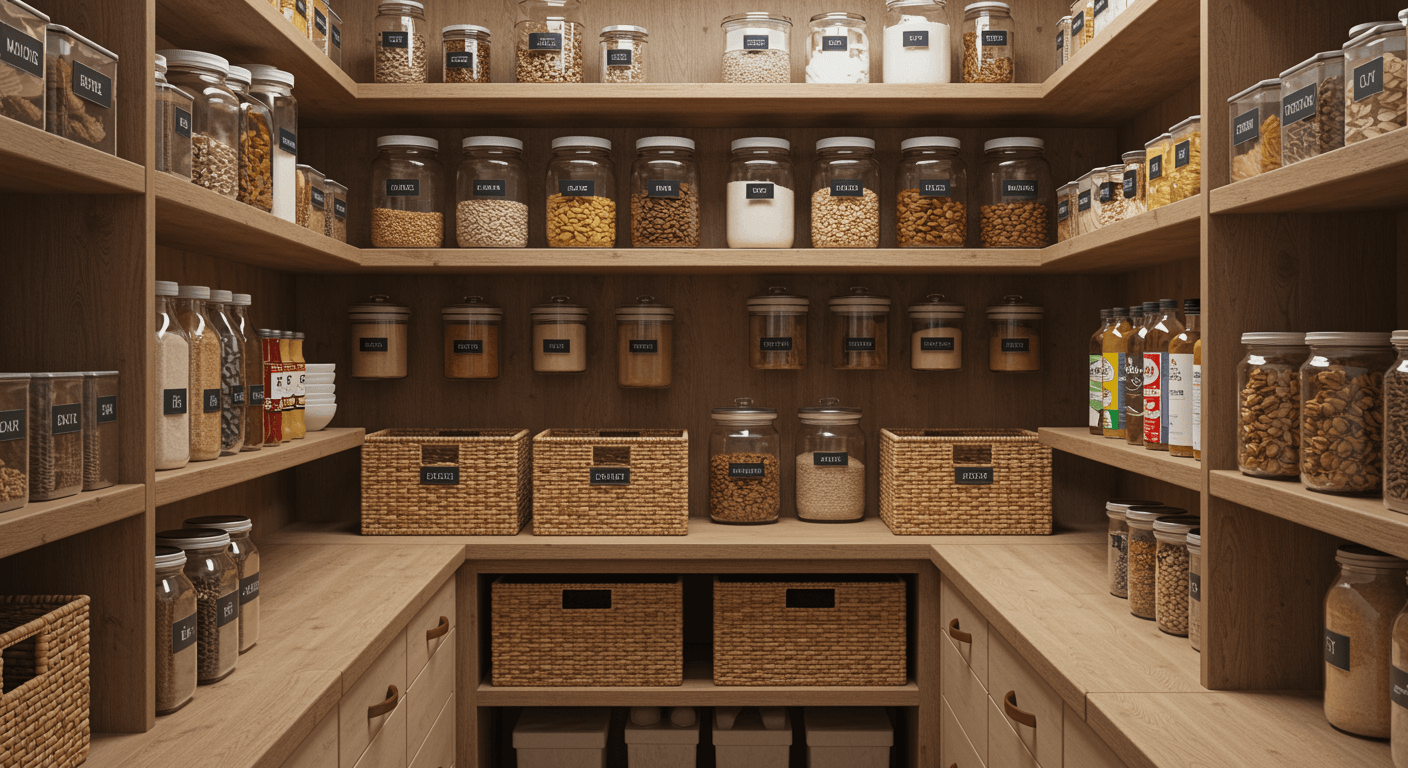
Beyond the first update, developing basic upkeep practices is the key to keeping your pantry free of clutter; hence, it becomes an important feature of The Pantry Refresh: Essential Tips for a Clutter-Free 2026. Rather than viewing pantry arrangement as a once-off effort, regular maintenance helps your area stay clean, stress-free, and practical all year.
Begin by devoting five to ten minutes every week to a fast tidy-up: straight container, clean shelves, and brush away any crumbs or stains to stop pests from being drawn. This little regimen helps to stop spills from accumulating and facilitates the identification of products nearing their expiry dates or running out. By checking stock levels, removing outdated goods, and rearranging things that have strayed out of their assigned areas, a monthly check-in will improve pantry efficiency even further.
Furthermore useful for reevaluating storage needs and modifying layouts depending on shifting cooking habits are seasonal updates such at the beginning of the year or before holidays. Restocking carefully is another useful habit; always put newer things behind older ones to promote first-in, first-out use and cut food waste.
Inspiring family members to replace items in their appropriate locations after use fosters order and stops mess from reappearing. Your pantry stays neat with little effort by incorporating these simple, regular habits into your schedule, therefore helping a smoother, more deliberate kitchen experience all year long in 2026.
The Pantry Refresh 5: Aesthetic & Functional Upgrades
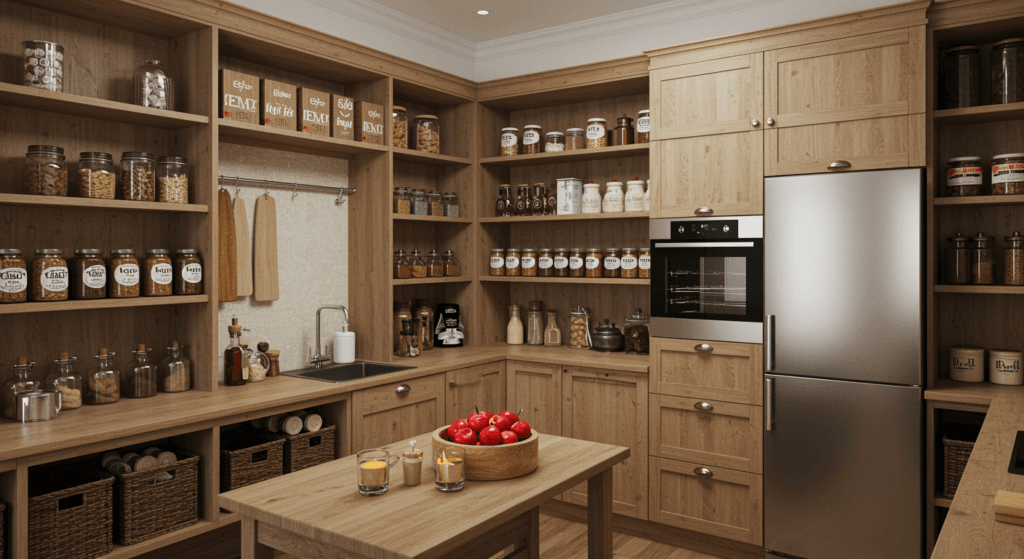
Particularly important in The Pantry Refresh: Essential Tips for a Clutter-Free 2026 are aesthetic and practical improvements as a well-designed pantry is both more pleasant to maintain and easier to access. Start with matching storage containers to create visual balance; uniform jars, bins, and canisters immediately reduce visual clutter while simplify content identification at a glance.
Clear, airtight containers help dry goods since they keep food fresh and make it simple for you to track supply levels. Careful labelling helps maintain a clean appearance while also enabling flexibility as pantry products change; small printed labels, chalkboard tags, or erasable labels improve form and usefulness. Shelf liners, which protect surfaces from spills and add delicate colour or texture to improve the area, are another simple yet effective alteration.
Good lighting shouldn't be neglected; LED strip lights or motion-sensor lighting improve visibility and offer a modern touch that enables one to identify items. Including useful items like tiered shelf risers, pull-out baskets, and lazy Susans especially in deep or small cupboards increases space and improves accessibility.
Selecting a consistent colour scheme — soft neutrals, warm wood tones, or subdued pastels finally helps the contemporary 2026 home trends by creating a tranquil, clean atmosphere. Naturally, a pantry that looks neat and polished encourages better organisational habits, therefore lowering the chances of clutter returning and so improving daily food preparation into a more enjoyable, simpler activity.