

The one third rule explained breaks your kitchen renovation expenses into three basic groups: 1/3 for cabinetry and storage; 1/3 for appliances and fixtures; and 1/3 for labor and installation. Following this guideline enables homeowners to distribute funds more wisely and prevent overspending in any one field. It also gives you the freedom to change goals without sacrificing the general view of your ideal kitchen.
The One Third Rule Explained 1: What the One Third Rule Is
The one third rule is a useful budget planning technique meant to enable homeowners to control their kitchen remodel budget without compromising quality, use, or aesthetics. The rule essentially advises dividing the entire remodelling budget into three even portions each allocated to a significant part of the project.
Cabinetry, which often forms the backbone of the kitchen both aesthetically and in daily use, receives first one-third. Making this part of the budget a strategic investment rather than a cut-cost zone, cabinets affect long-term durability, arrangement flow, and storage efficiency. Materials and fittings outside cupboards, including counters, backsplashes, appliances, sinks, lighting, and flooring, are reserved for the second one-third.
This group addresses the finishes and elements that improve the kitchen's appearance while still encouraging daily cooking habits and needs. Labor and professional services including carpentry, installation, electrical and plumbing work, and design or project management fees are allocated for the last one-third. This guarantees that expert craftsmanship is coupled with premium materials, therefore lowering the danger of expensive errors or early wear.
The one third rule balances expenditures among three pillars to avoid excess spending in one area while neglecting another. More significantly, it gives homeowners a clear financial road map that simplifies decision-making, sets more realistic expectations, and allows the whole kitchen makeover project to run more organised and stress-free.
The One Third Rule Explained 2: Why It Matters for Budgeting
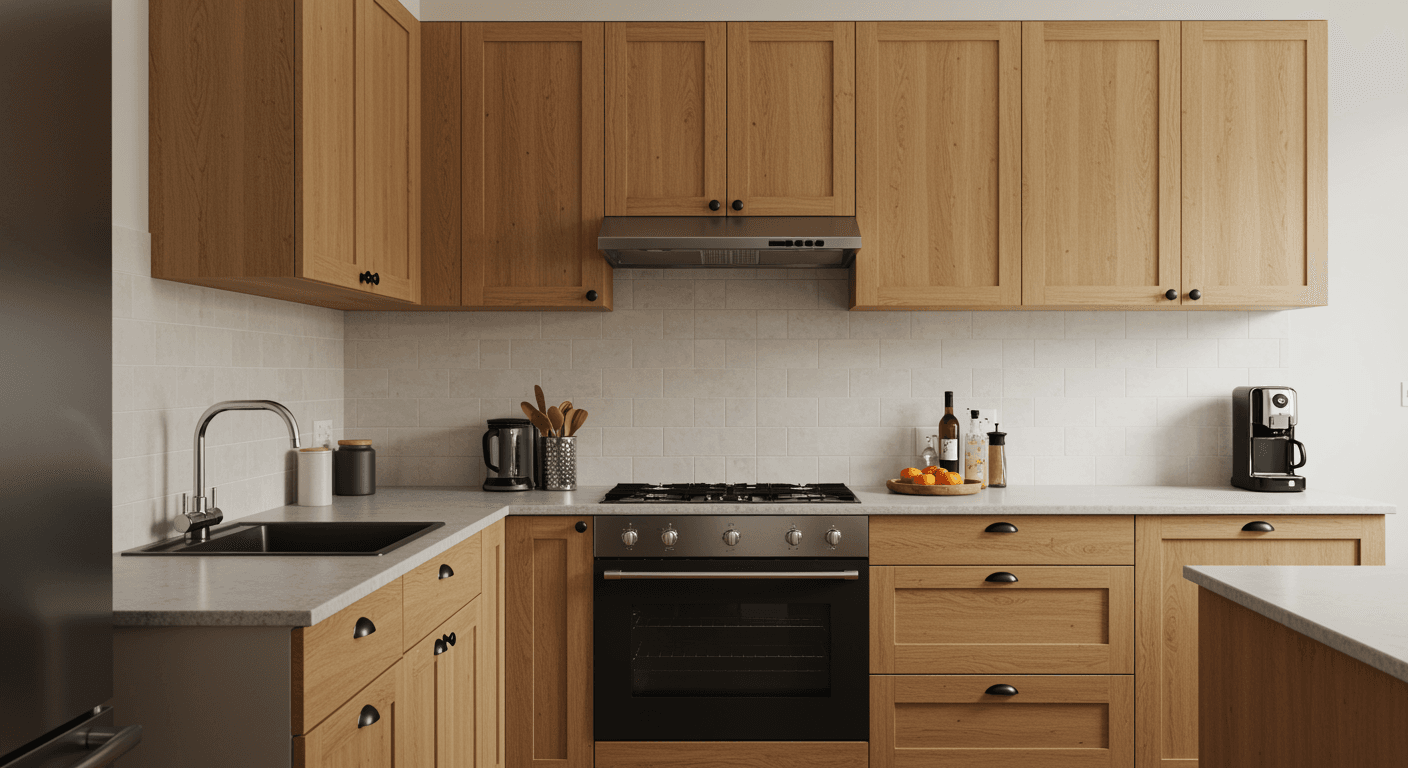
Why it matters for budgeting is a major component of The One Third Rule Explained: How to Master Your Kitchen Renovation Budget since it gives homeowners a clear, organised way to control costs while also producing a useful and lovely kitchen.
Kitchen makeovers are especially susceptible to budget overrun as hidden issues, impulse changes, or underestimation of labour expenses all contribute. The 1/3 Rule stops this by fairly distributing the whole budget across three basic categories: cabinets, core renovations, and labor. By ensuring that no one part is overfunded at the expense of another, this balance lowers the possibility of design defects or poor workmanship in the future.
Those who allocate a specific sum for labour are less likely to skimp on installation quality, which is essential for safety and long-term durability. Assigning cabinetry one-third of the budget respects its function as both the aesthetic anchor and functional core of the kitchen. From a planning perspective, the legislation helps homeowners to assess early in the remodelling process whether their design expectations really fit within their financial capacity since it makes budgeting more predictable. It also improves decision-making as every update can be judged against its given budget level rather than influencing the whole project.
The one third rule ultimately matters since it turns kitchen remodelling budget from guess into a systematic, methodical approach thereby assisting homeowners to receive more value, fewer surprises, and a kitchen that performs well both aesthetically and financially over time.
The One Third Rule Explained 3: What to Include Within Each Third
Knowing how the one third rule helps homeowners control their kitchen remodelling budget is each third, since it clearly states where resources should be used for best results and long-term worth. Usually reserved for cabinetry, which constitutes the heart of the kitchen for both aesthetic and functional reasons, the first third is tall units, base and wall cabinets, inside storage ideas like pull-out pantries and drawer organisers, soft-close hardware, and robust materials or finishes suitable for daily use should be discussed in this section.
Here, prudent investments ensure orderly general appearance, improved workflow, and efficient storage. The second third belongs to crucial improvements and finishes, which improve both use and appearance. Counters, backsplash materials, appliances, sinks, faucets, flooring, lighting all belong here. Homeowners should first give in this category items that are used often — worktops and appliances, therefore balancing aesthetics with practicality to avoid costly upkeep in the future.
The last third is reserved for labor and professional services, often under appreciated but essential for the success of the refurbishment. Costs for contractors, installation labor, plumbing and electrical services, carpentry, and any design or consultant fees are found here. Proper budgeted labor guarantees compliance with safety standards, exact installation, and high-quality workmanship, hence lowering the risk of future repairs.
Combining these three carefully considered thirds offers a balanced restoration plan that connects design objectives with financial management, so allowing homeowners to possess a gorgeous and durable kitchen.
The One Third Rule Explained 4: Important Budgeting Tips Alongside the Rule
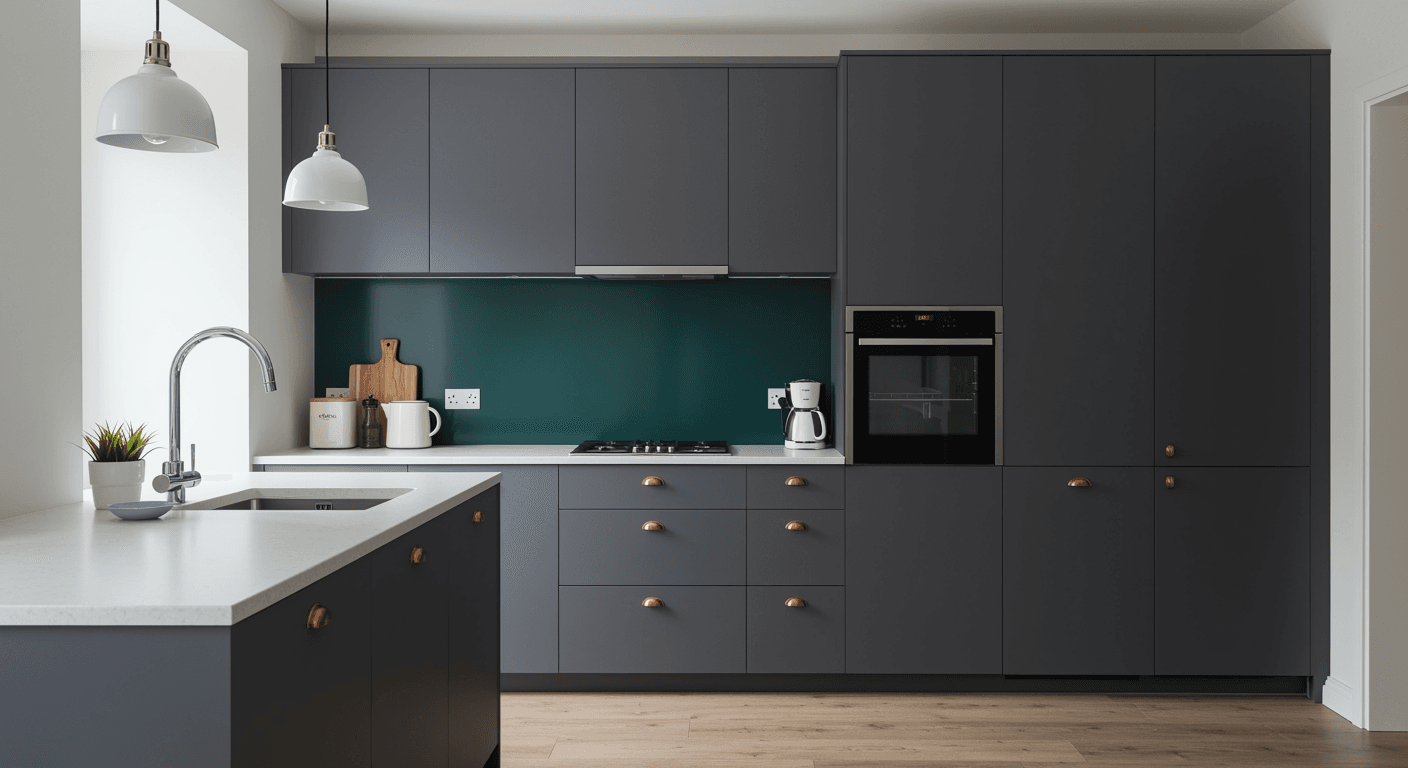
Crucially, crucial budgeting advice along with The One Third Rule Explained: How to Master Your Kitchen Renovation budget helps guarantee that your renovation remains fiscally viable and free from stress. One important consideration is creating a contingency buffer of 10–20% since concealed problems including broken electrical wires, plumbing leaks, or uneven flooring are rather typical once remodelling work starts.
This buffer guards against quick concessions on materials or design. Prioritising practicality before beauty is another crucial advice; even if statement countertops or fancy fixtures are seductive, dedicating resources first to long-lasting cabinets, effective floor plans, and good ventilation guarantees long-term usefulness. Obtaining many quotations from suppliers and contractors is likewise crucial since it offers a better knowledge of market pricing and assists in discovering buried expenses not included in first estimates.
Homeowners should separate each “third” into meticulous line items to keep track of cabinetry, appliances, labor, and finishes expenditures separately and so prevent overspending in one area. Another ignored factor is timing; timing purchases during showroom clearances or promotions can free up money for enhancements without going beyond boundaries. Moreover, fighting constant design revisions throughout the project avoids expensive discrepancies that disturb the one third equilibrium.
Lastly, collaborating with seasoned experts — designers, kitchen specialists, or project managers can assist in maximising budget-conscious recommendations of value-driven options. These budgeting advice work with the one third rule to provide flexibility, foresight, and control, allowing homeowners to master their kitchen renovation budget while still creating a polished, practical, and future-ready kitchen.
The One Third Rule Explained 5: When to Adjust the Rule
One of the one third rule explains: how to handle your kitchen remodelling budget given that no two kitchens or homeowners have the same needs. While the one third rule provides a good beginning point for budgeting, adjustments may be necessary depending on space, lifestyle, and refurbishment ideas.
Small kitchens, for instance, might use less than one-third of the budget, therefore freeing funds for expensive appliances, innovative storage solutions, or thick countertops. Meanwhile, open-concept designs or larger kitchens can demand a higher cabinet allotment as a result of greater storage needs and bespoke decorations. If residents value long-term durability, the regulation may change as well; therefore, by investing more in termite-proof or moisture-resistant cabinetry systems, they may therefore increase upfront material costs but cut down on maintenance expenses over time.
Another important aspect are labor expenditures — older buildings or those under major renovations which might demand more electrical, plumbing, or structural work thus exceeding the normal one-third budget. Regular cooks may choose to spend extra on practical upgrades such inbuilt organisers, ergonomic designs, or simple-to-clean surfaces; their decisions are also influenced by their lifestyle choices.
Changing the one third rule finally lets homeowners correlate their rehabilitation expenditures with actual requirements instead of set percentages. Still, the underlying concept is balance: ensuring expenditures on carpentry, finishes, and labor advances daily use and long-run value without compromising the overall success of the kitchen remodelling.