
KompacPlus vs sintered stone gives a clear image of durability under regular usage. KompacPlus offers resilience against scratches and dampness, but sintered stone amazes with its extreme heat resistance and longevity. Selecting the right surface ultimately depends on striking a compromise between the needs of a hectic kitchen and visual attractiveness.
KompacPlus vs Sintered Stone 1: Materials & Manufacturing
Particularly for Johor homeowners who experience high humidity, frequent cooking, and long-term wear issues, materials and manufacturing have a major impact in the durability gap between KompacPlus and sintered stone. Under great heat and pressure, KompacPlus is a small, high-pressure laminate created by compacting several layers of kraft paper permeated with thermosetting resins.
Ideal for vertical uses, countertops, and kitchen cabinets, this manufacturing method produces a thick, non-porous surface that is lightweight but structurally solid. Its resin-based core permits flexibility in leaner profiles, which satisfies contemporary Johor households that place simplicity of installation and elegant design first. Sintered stone, by contrast, is made utilising sophisticated mineral technology that mimics the natural formation of stone over millennia condensed into hours.
Extremely high heat and pressure applied to natural minerals like quartz, feldspar, and silica produces an ultra-dense slab devoid of resins or adhesives. This composition consisting only of minerals makes sintered stone very structurally solid and resistant to environmental aggressors including moisture, high temperatures, and UV radiation. From a durability standpoint, the variance in materials accounts for sintered stone's outstanding performance under severe circumstances and KompacPlus's dependable behaviour in routine residential use.
For Johor homeowners, knowing these manufacturing fundamentals is critical: KompacPlus offers engineered consistency, lighter weight, and design flexibility; sintered stone provides raw material strength and long-term durability. The heart of durability starts with the manner each material is created, which also shapes its performance in actual Johor households.
KompacPlus vs Sintered Stone 2: Durability — Resistance to Everyday Wear
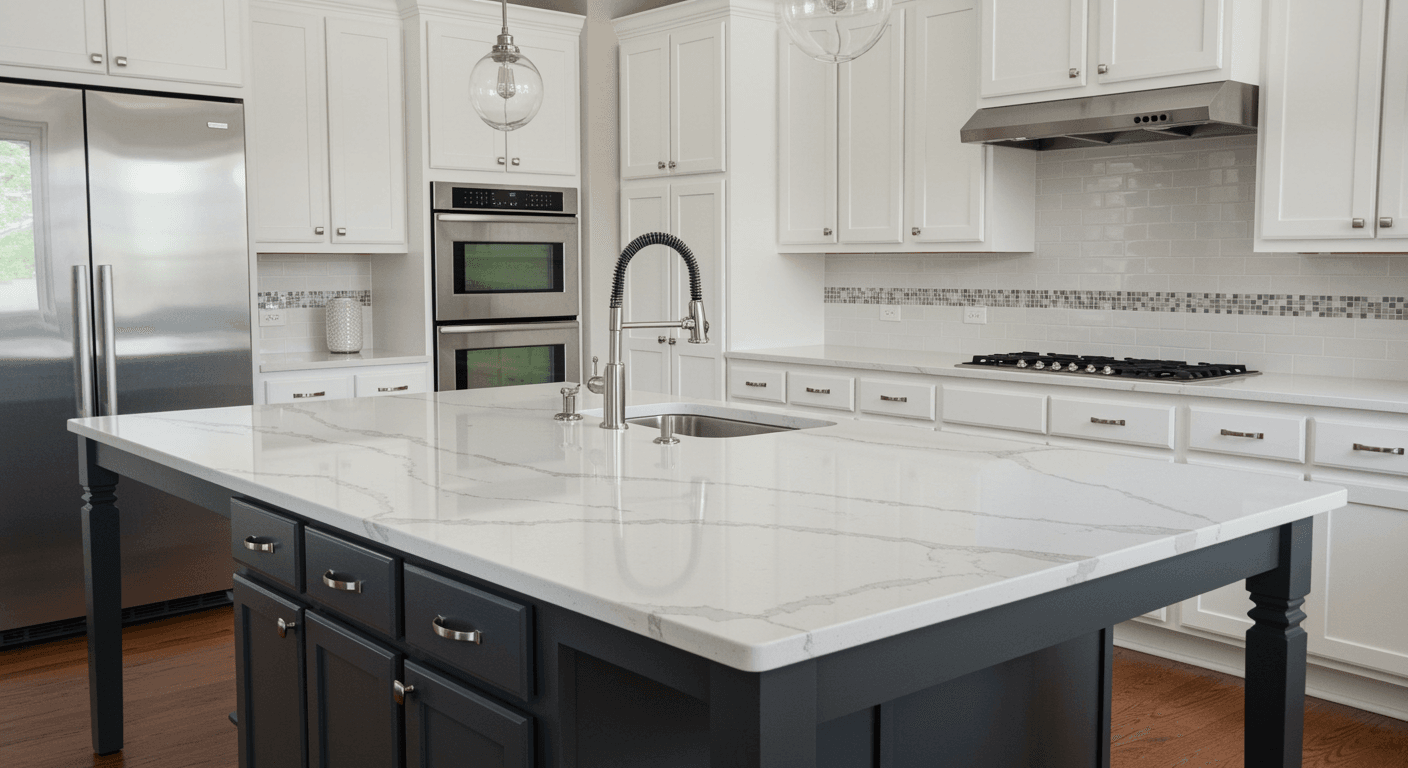
Durability in kitchens where cooking, washing, and daily activity are frequent, wear is sometimes the deciding factor when Johor residents compare KompacPlus to Sintered Stone. Designed as a small high-pressure laminate with a dense, non-porous surface that performs dependably against usual home wear like spills, damp contact, and light scratches, KompacPlus is engineered.
It is ideal for hectic family households since it holds up well, resists staining, and is perfect for casual dining, ordinary appliance use, and daily food preparation. But its resin-based construction restricts it under repeated extreme heat or pointed objects, therefore homeowners must utilise trivets and chopping boards to maintain the surface over time.
On the other hand, sintered stone is produced under tremendous heat and pressure to melt natural minerals into an ultra-dense slab, hence providing remarkable scratch, abrasion, and high temperature resistance. Perfect for homeowners who prepare often or desire a more casual surface, it can survive hot cookware, heavy pots, and regular use with little visible wear. Having said that, its hardness can make edges more vulnerable to chipping if hit, particularly if installation quality is bad.
Both materials do well in Johor's humid environment because they are non-porous, but sintered stone is clearly superior under heavy daily stress whereas KompacPlus is a more forgiving, lightweight, practical alternative for low-use homes seeking cost effectiveness and ease of upkeep.
KompacPlus vs Sintered Stone 3: Mechanical Strength
Mechanical strength which straight impacts how well a surface holds daily impact, pressure, and long-term usage therefore becomes especially important for Johor residents considering KompacPlus and sintered stone. Multiple layers of kraft paper permeated with resin and compressed under great pressure create KompacPlus's dense but somewhat flexible form.
This flexibility helps it to better absorb little shocks, hence increasing its forgivingness should heavy cookware, appliances, or silverware be inadvertently dropped. Particularly those intended for frequent home cooking, this effect resistance in hectic Johor kitchens can help to lower the possibility of abrupt surface damage. Conversely, sintered stone is created by intense heat and pressure that bond natural minerals into an ultra-hard slab.
This gives it great surface strength and load-bearing capacity, therefore enabling it to support heavy equipment without distorting. Its hardness, however, makes it more brittle at edges and corners — areas where incorrect handling or installation could cause cracking or chipping. This implies for homeowners that, while sintered stone requires exact fabrication and skilled installation, it performs really well under repeated weight and abrasion.
Although KompacPlus's raw hardness is not as great as that of sintered stone, its balanced strength makes it more resilient in daily situations including movement, knocks, and effect. In essence, the mechanical strength comparison reveals a trade-off: sintered stone excels in rigidity and pressure resistance, whereas KompacPlus provides durability through shock absorption — two separate benefits appropriate for varied Johor house lifestyles.
KompacPlus vs Sintered Stone 4: Maintenance & Longevity
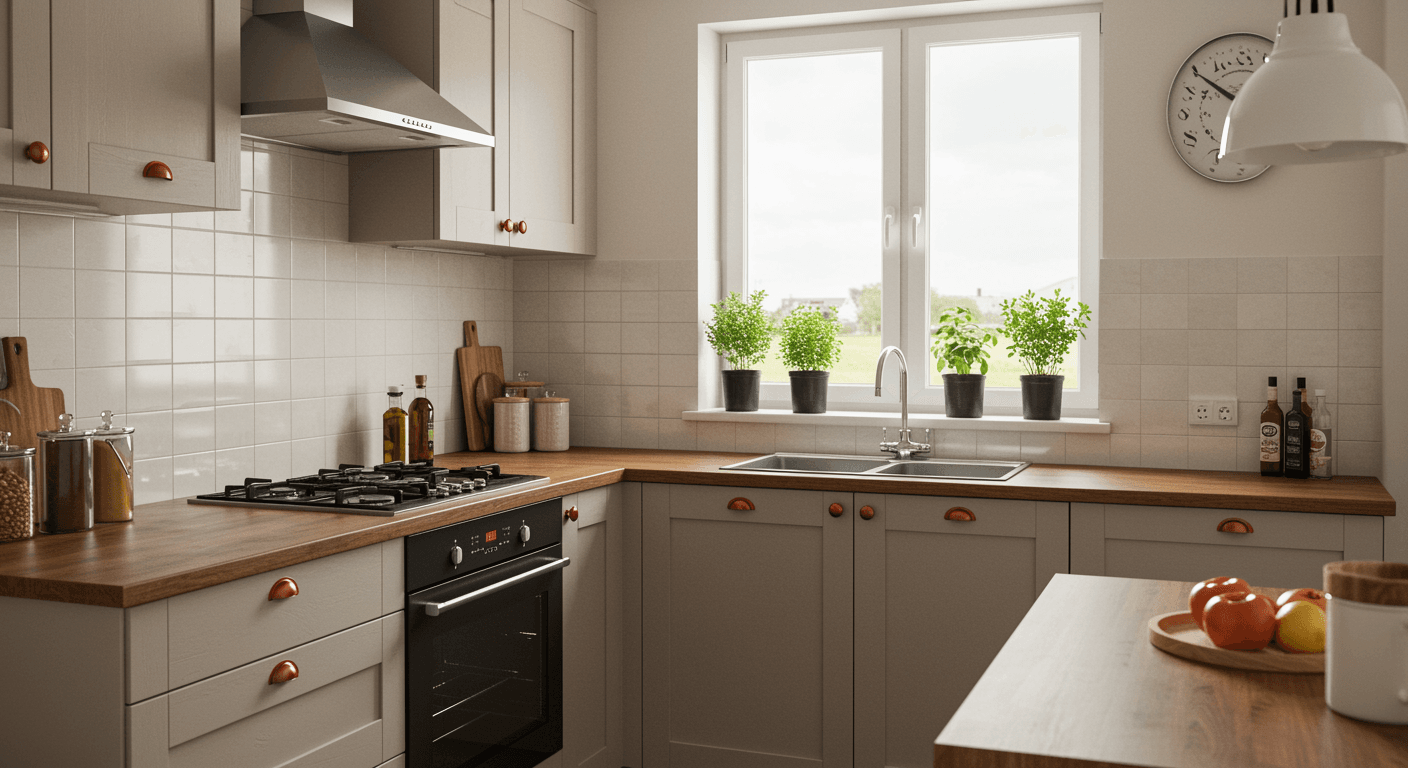
Particularly for Johor residents who value durability with little maintenance in a humid, high-use environment, maintenance and longevity are important factors in the argument about KompacPlus vs sintered stone. Low-maintenance charm characterises KompacPlus.
Its non-porous surface resists water absorption, stains, and bacterial development, hence simple cleaning with only gentle detergent and a soft cloth is possible. Sealing, polishing, or specific cleaners are not necessary, therefore fit tiny kitchens and busy homes. With appropriate maintenance including not to expose KompacPlus to extended extreme heat or direct cutting, it can keep its appearance for several years without noticeable deterioration.
Unlike KompacPlus, it is non-porous and needs no sealing, but its great resistance allows it to endure more daily abuse like hot cookware and intense food preparation. Created under great heat and pressure, it is highly resistant to scratches, heat, UV rays, and chemicals that makes it among the most durable surfaces available today. Sintered stone usually degrades less on the surface over time even in busy kitchens.
But professional installation is directly linked with its long lifespan as incorrect handling could result in edge chipping. KompacPlus provides dependable long-term performance with simple maintenance in the ultimate durability test; sintered stone stands out for homeowners searching for maximum longevity with little regard for wear; thus both are strong candidates based on lifestyle and use intensity.
KompacPlus vs Sintered Stone 5: Aesthetics & Design Options
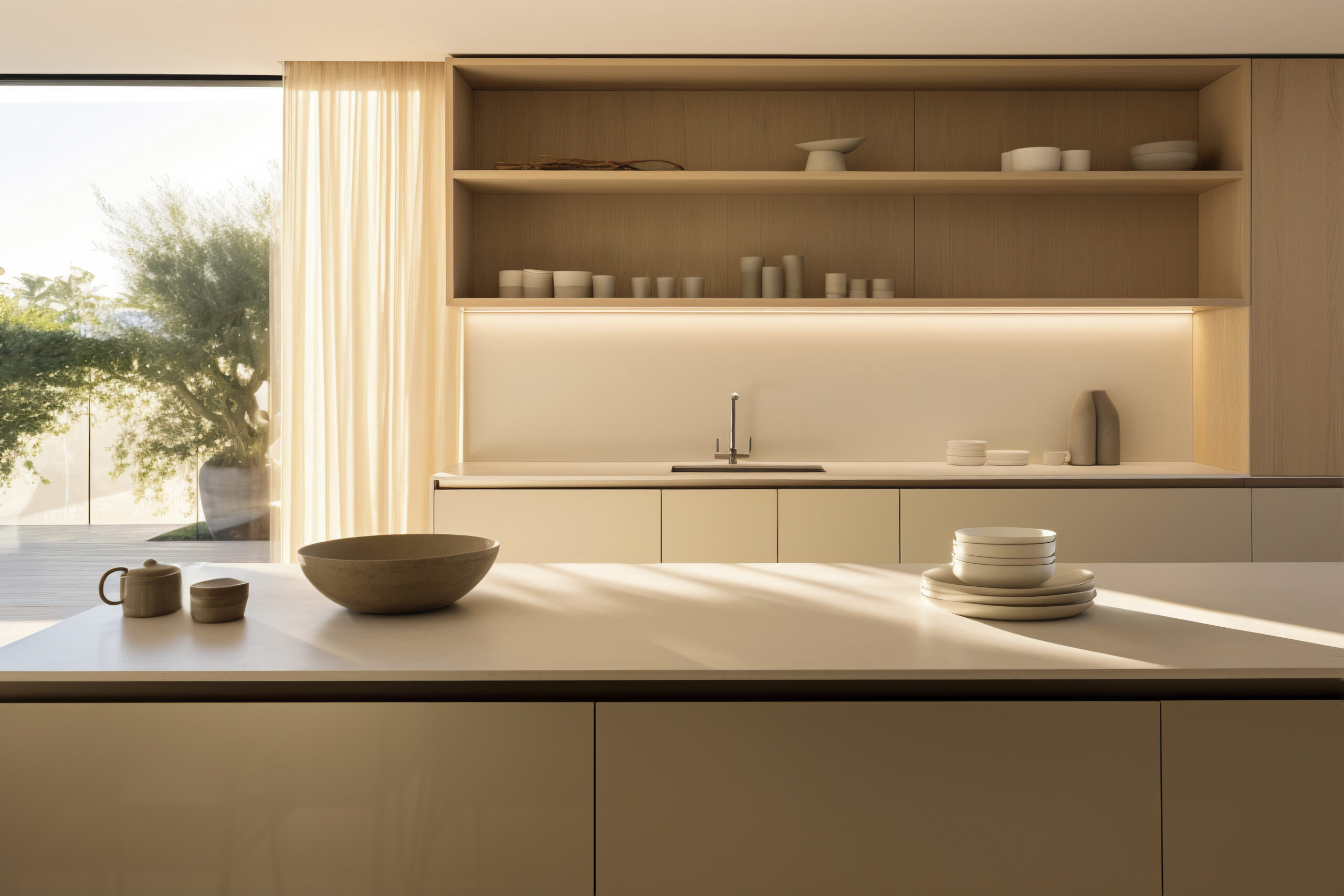
Regarding aesthetics and design choices, KompacPlus and sintered stone have very distinct visual experiences, hence this component is especially important for Johor residents who want durability without sacrificing style. KompacPlus is renowned for its svelte, ultra-thin design, which offers kitchens a modern, crisp aspect ideally appropriate for terrace residences, small Johor residences, and modern flats.
Where visual quiet and smooth surfaces are sought, its consistent colour tones, matte finishes, and delicate textures fit minimalist, Scandinavian, and industrial-inspired homes. The slim form factor also makes possible waterfall edges, floating countertops, and built-in backsplashes without making the area seem heavy or cluttered.
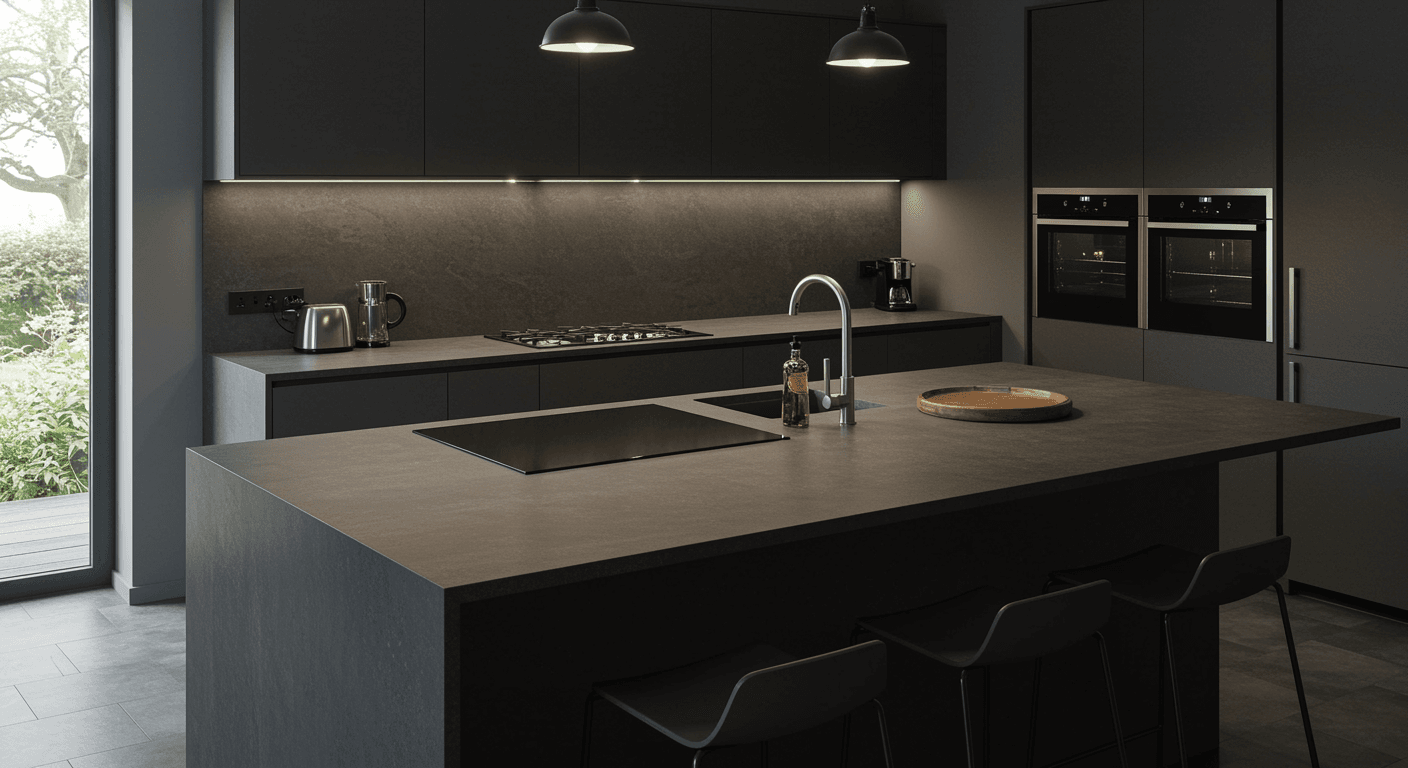
Conversely, sintered stone is great at presenting strong visual theatre. Sintered stone slabs are meant to mimic natural marble, granite, concrete, or even metal, and they include striking veining, layered patterns, and rich depth that immediately turn a kitchen into a luxury show. This makes it perfect for homeowners seeking a premium, hotel-style kitchen or an open-concept area where the countertop is a centre. Big slabs diminish the appearance of obvious joints, therefore improving the illusion of natural stone flow. This audacity can, however, drown smaller kitchens if not properly balanced.
While sintered stone satisfies individuals looking for dramatic designs, natural stone realism, and visual prestige, KompacPlus finally attracts to homeowners who appreciate subtle elegance and visual consistency. The decision on whether the kitchen is intended to blend in perfectly or stand out dramatically as a focal point in Johor residences frequently turns on this.