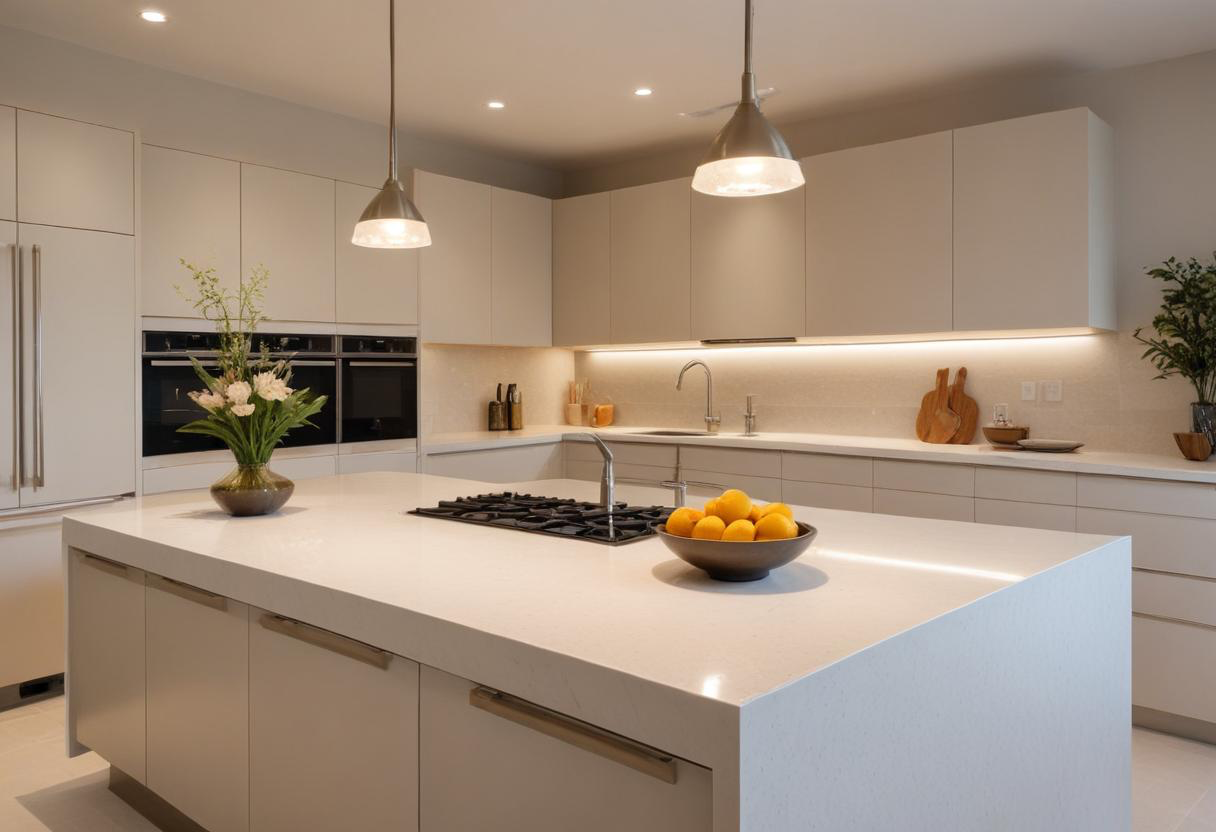
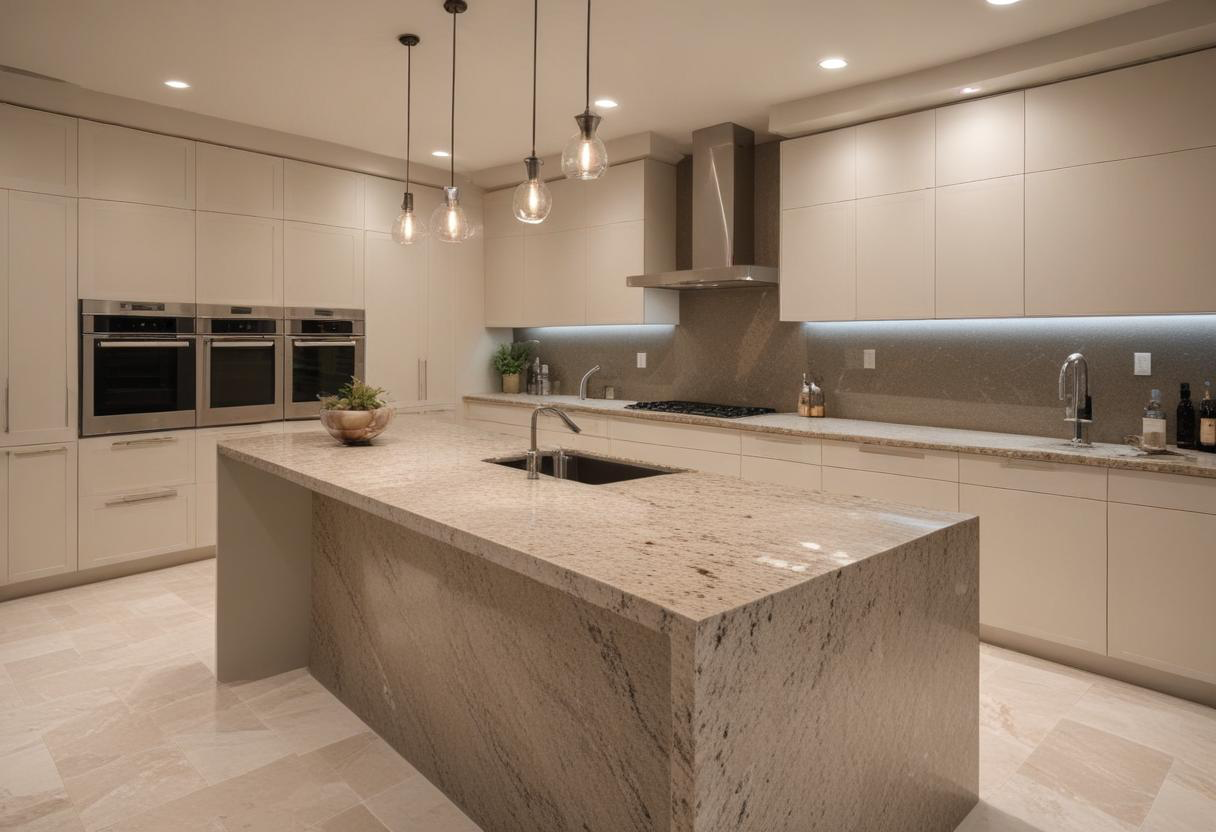
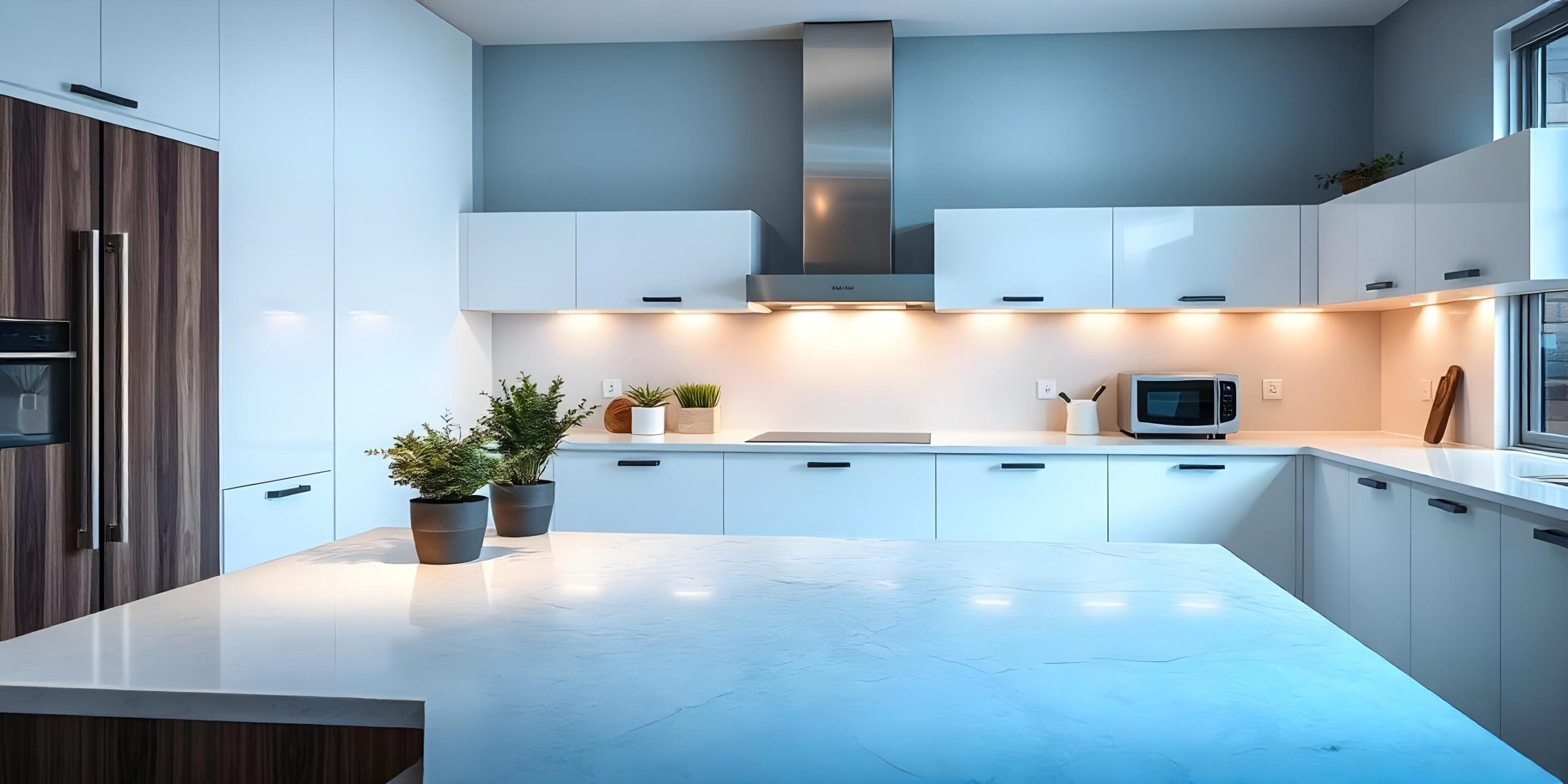
Kitchen warm minimalism combines warm hues with sleek lines and transforms your space by producing a welcoming yet free environment. Every countertop and cabinet plays a meaningful part when superfluous goods are eliminated, hence improving flow and usefulness. This method reveals the real possibilities of your kitchen, where simplicity and warmth coexist perfectly.
Kitchen Warm Minimalism 1: Purpose-Driven Layout
Kitchen warm minimalism is based on purpose-driven design, which shapes the utility of the space before any cosmetic choices are decided. This method emphasises on how the kitchen is physically used on a daily basis rather than designing around trends or too numerous features.
Every area — food preparation, cooking, washing, storage, and serving is painstakingly designed to enable fluid movement and reasonable workflow, thereby minimising pointless actions and visual mayhem. Arrangement of appliances, countertops, and storage where they are most required naturally calms the kitchen and makes it more effective even in tiny spaces. By removing bad design decisions up front, not by hiding chaos later, one reduces clutter.
In a warm minimalist kitchen driven by a goal, movement paths are reduced to prevent congestion especially in shared or open-plan houses. Counter space is deliberately given to guarantee ample preparation areas while unused surfaces are kept at bay. Storage systems are built into the design so that frequently used goods are easily available while hardly used tools are kept hidden. Careful preparation minimises the necessity for freestanding storage units and countertop appliances that interrupt visual flow. The result is a light and open kitchen free of practical compromise.
Form can follow function, therefore revealing the kitchen's true potential with a purpose-driven design. The room becomes intuitive, stress-free, and visually appealing when every component has a distinct position and function. This silent efficiency matches warm minimalism exactly to produce a kitchen that helps with daily schedules and provides a sense of comfort, equilibrium, and quiet elegance.
Kitchen Warm Minimalism 2: Concealed Storage = Visual Calm
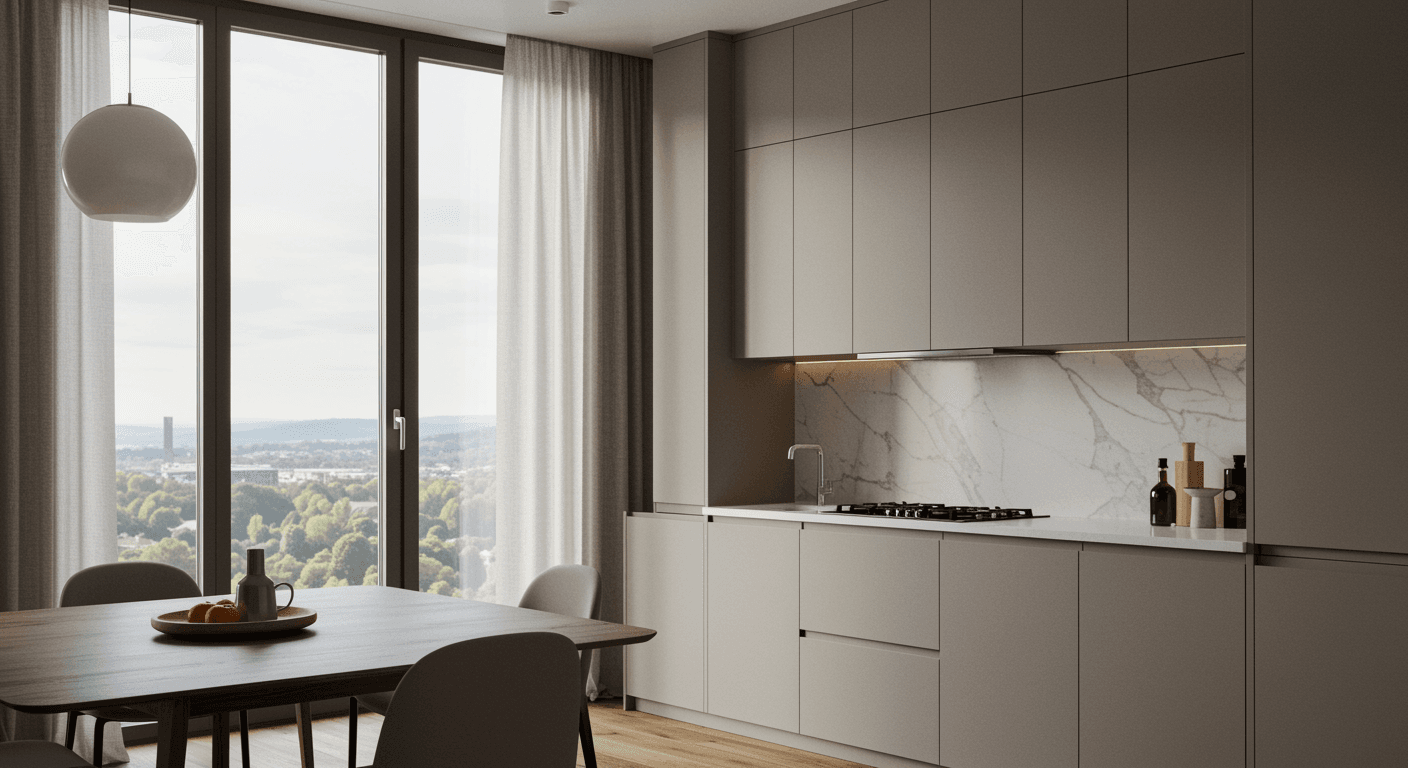
Among the most defining characteristics of kitchen warm minimalism is hidden storage, as it hides unwanted distractions from sight and therefore produces visual calm. Concealed storage transforms the kitchen from a strictly practical area into one tranquil and inviting by allowing it to breathe in a place often packed with appliances, utensils, and daily-use items.
Full-height cabinets are absolutely vital for guaranteeing counters stay neat and clutter-free by maximising vertical space and accurately packing everything from dried goods to small appliances. Without seeming cold, handleless cabinets, recessed pulls, or push-to-open mechanisms all of which produce smooth, unblemished surfaces — appear consistent and modern and support this sense of simplicity.
Good organising guarantees that looks are not sacrificed for usefulness inside the cabinets by pulling-out pantries, drawer dividers, and concealed spice racks among others. Every item has a certain position to help maintain a more simple and useful kitchen. Appliance garages, which allow usually used items like kettles or coffee makers to stay apparent yet hidden when not in use, are another crucial aspect.
Hidden storage gives the kitchen a larger, more brighter, more purposeful look by naturally decluttering it. The fundamental idea of warm minimalism — less on view frees more comfort, warmth, and everyday simplicity is supported by this sequence. Hidden storage uncovers the actual promise of the kitchen by combining functionality with tranquility, thereby enabling the area to support daily life without overloading the senses.
Kitchen Warm Minimalism 3: Fewer Materials, Better Quality
Kitchen warmth with less materials and superior quality define minimalism, which is essential for getting rid of mess and exposing the full potential of the kitchen. Instead of combining several textures, colours, and surfaces battling for prominence, warm minimalism supports a somewhat material palette that looks deliberate and uniform.
Usually restricted to two or three coordinating materials like warm-toned wood, matte cupboards, and polished stone countertop — this technique produces visual harmony and lets every surface stand out. High-quality materials are chosen for their tactile comfort, durability, and aesthetic value. Natural or nature-inspired textures like delicate wood grain or softly veined quartz give warmth without taking over a room.
Higher quality finishes enable house owners to put money in items that by themselves attract notice, hence reducing the need for too much ornamentation. This deliberate minimalism also encourages long-term pragmatism, hence allowing resilient surfaces to resist wear, demand less maintenance, and age gracefully with time. The limited material option improves the sense of openness and motion in a trash-free kitchen where counters are kept clean and storage is totally merged.
In the absence of visual noise, the form, size, and natural light of the kitchen take centre stage. Choosing fewer but better materials turns the kitchen into a traditional, quiet area that feels purposeful, welcoming, and intrinsically elegant even while still allowing regular life.
Kitchen Warm Minimalism 4: Seamless Cabinetry Design
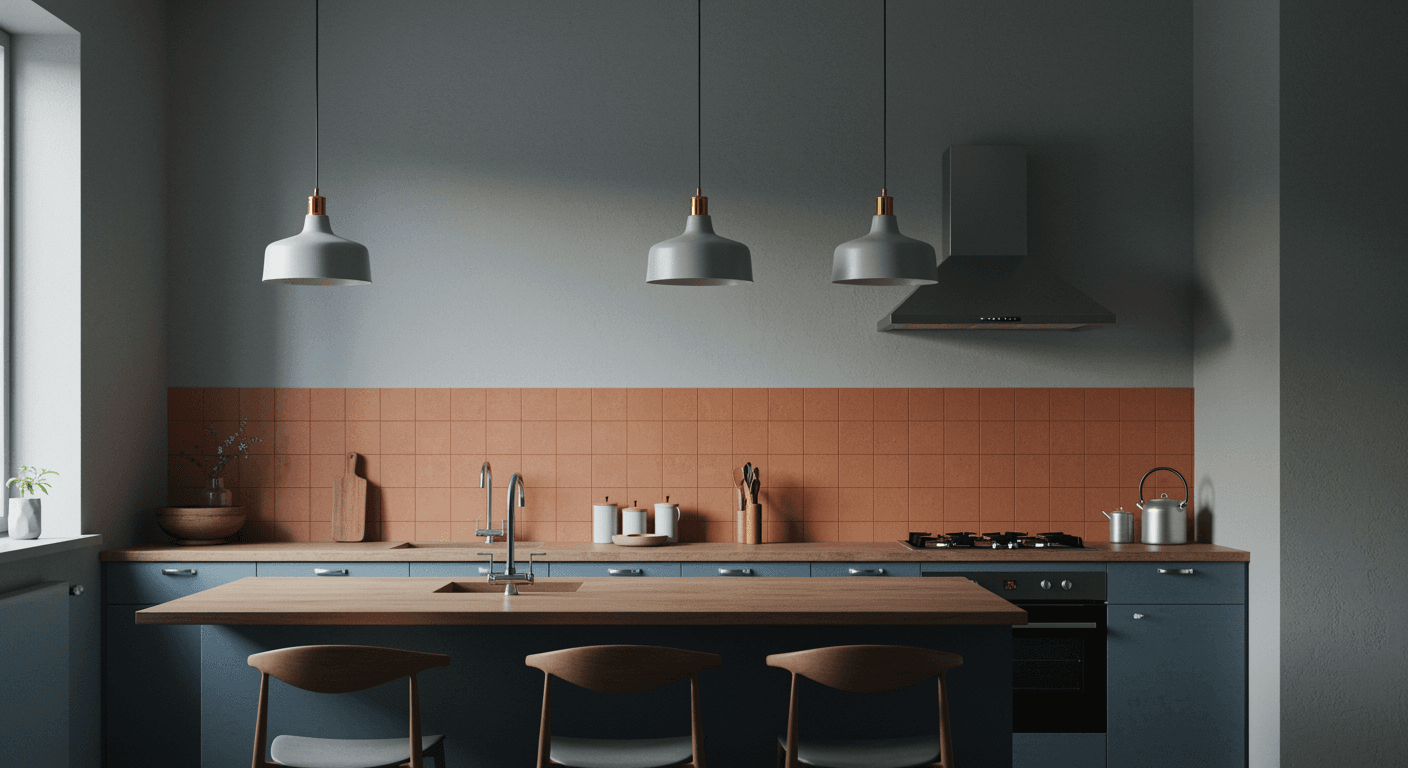
Among the cornerstones of kitchen warm minimalism is flawless cabinetry design; it helps to reduce visual chaos and show the actual possibilities of the kitchen. Giving clear lines, uniform surfaces, and intended placement top focus, seamless cabinets lets the room itself be focal rather than battling too many decorations.
Elimination of visual distractions, recessed pulls, handleless cabinets, or push-to-open systems helps to enable smooth, continuous flow around the kitchen. Aside from improving visual harmony, this design method gives the kitchen a more expansive and consistent appearance especially helpful in tiny projects and modern houses. Warm minimalism mellows the kitchen with gentle textures, matte surfaces, or wood-grain laminates — materials that make this sharp appearance less so, thus creating a hospitable instead of severe environment.
By enabling dishwashers, freezers, and ovens to blend softly with the cabinetry rather than to be distinct features, integrated appliances help to highlight this idea of continuity. Full-height cabinet designs let one maximise storage while yet concealing daily objects, hence minimising countertop chaos and preserving a serene environment. Little details like constant cabinet spacing and level horizontal lines enable one to be organised and balanced.
Good cabinetry gives a sophisticated look but also enables easy operation, simpler maintenance, and a more serene daily life in a warm minimalist kitchen. Removing needless visual clutter using this technique exposes a kitchen that seems deliberate, harmonic, and rather opulent; every component has both form and function without overloading the room.
Kitchen Warm Minimalism 5: Emotional Breathing Space
One of the most defining qualities of kitchen warm minimalism is emotional breathing room since it emphasises how a room feels rather than how much it has. The kitchen transforms into a peaceful space that helps rather than overwhelms daily life by removing unwanted details and visual clutter.
Clean countertops, hidden storage, and simplified cabinetry cut visual clutter, so enabling the brain to relax as one comes the space. This openness results in emotional clarity that lets daily activities like cooking, housework, and gathering seem more deliberate and less rushed. By integrating soft hues, natural textures, and subdued illumination, warm minimalism promotes comfort and emotional equilibrium while helping to avoid the chill usually linked with stark design.
Once the kitchen is free of superfluous gadgets, mismatched containers, or decorative overload, it becomes a place that fosters presence and mindfulness. Additionally improving functionality is emotional breathing space since an ordered, straightforward kitchen lessens decision fatigue and stress, especially in active homes. Rather than a source of distraction, the kitchen provides a backdrop for significant events: peaceful morning coffee rituals, easy family meals, or unhurried talks.
Negative space is deliberate rather than vacant in warm minimalist kitchens, so letting every design component stand out free of rivalry. This equilibrium between simplicity and warmth reveals the real potential of the kitchen as a healing room in the house. Emotional breathing room guarantees the kitchen is not only efficient and beautiful but also emotionally nurturing, therefore providing a sense of calm beyond the area itself into daily life.