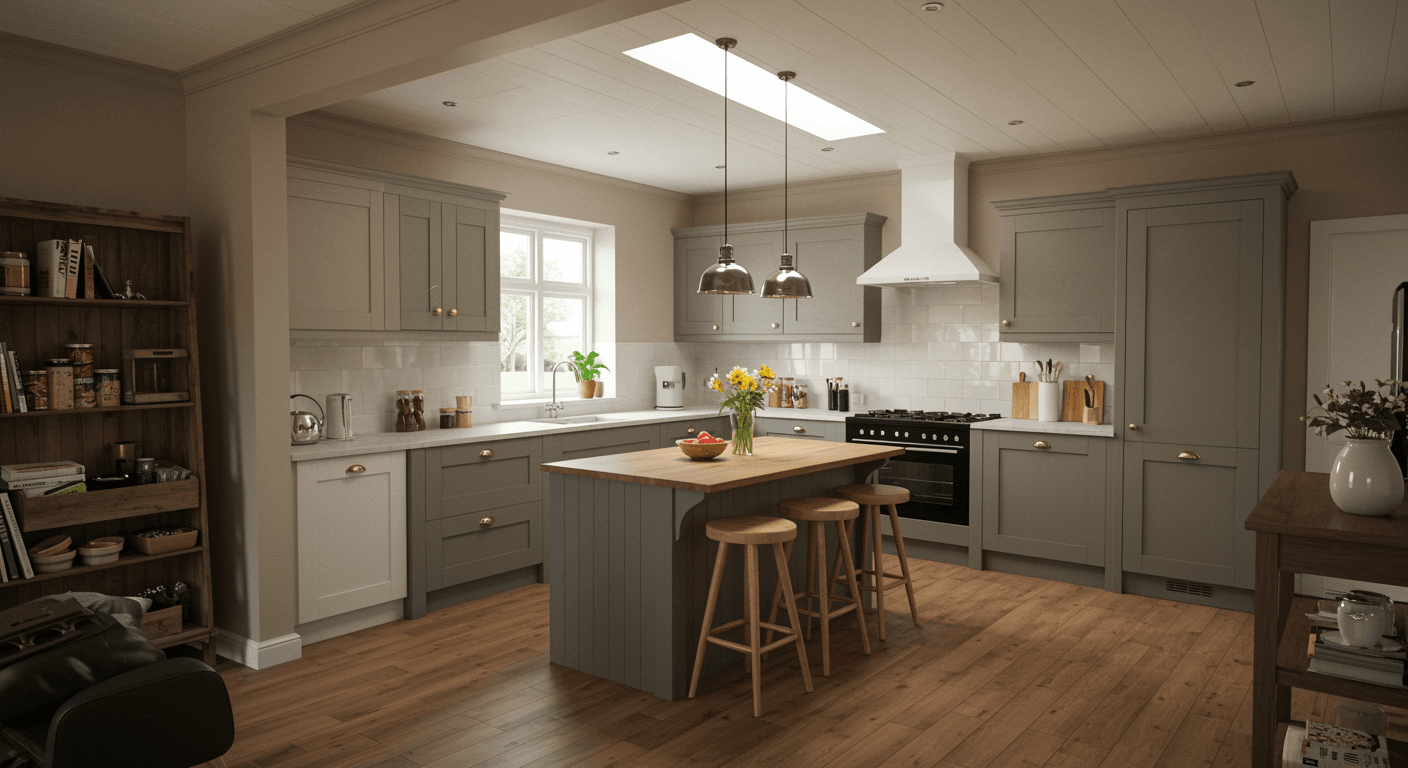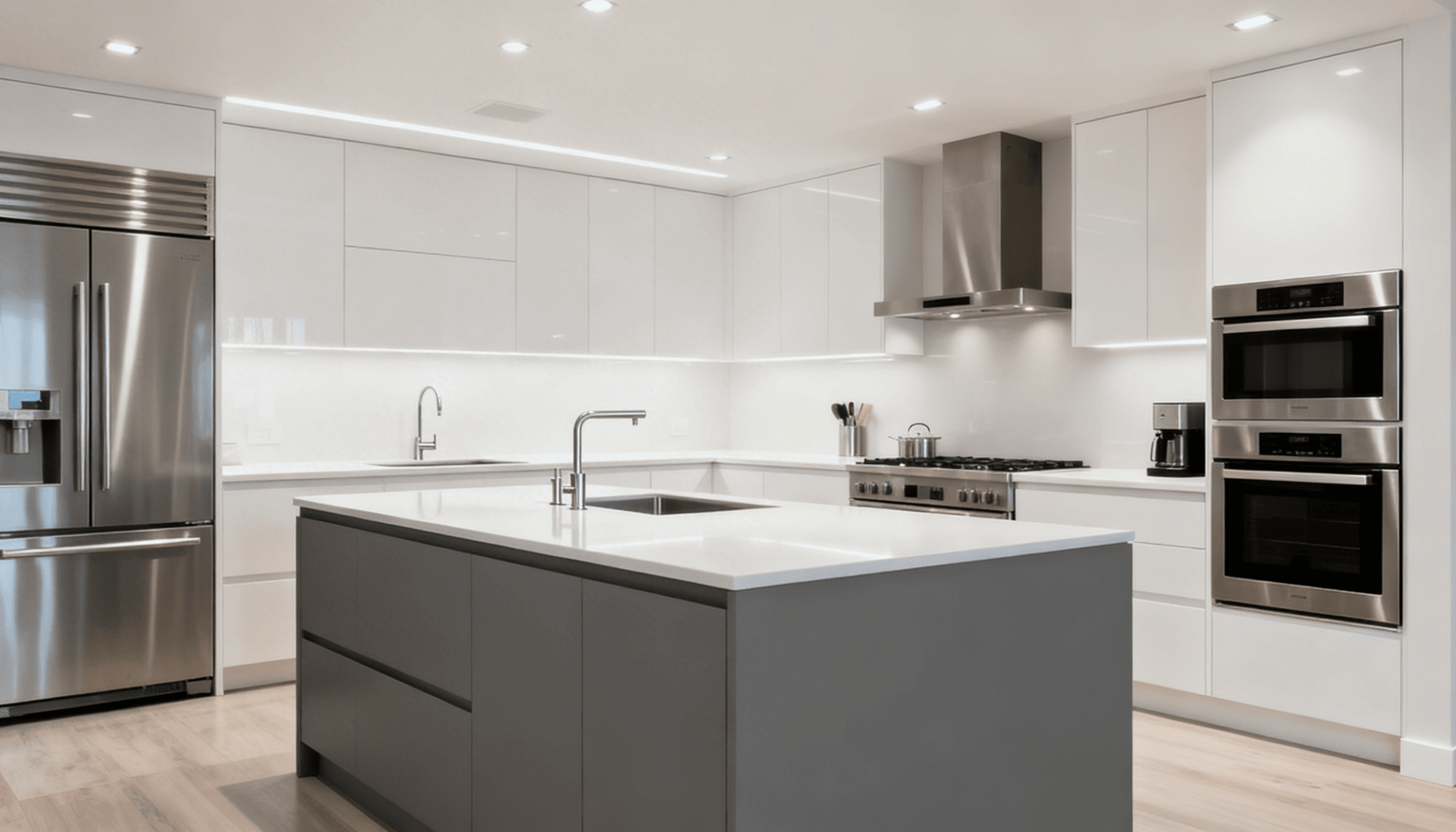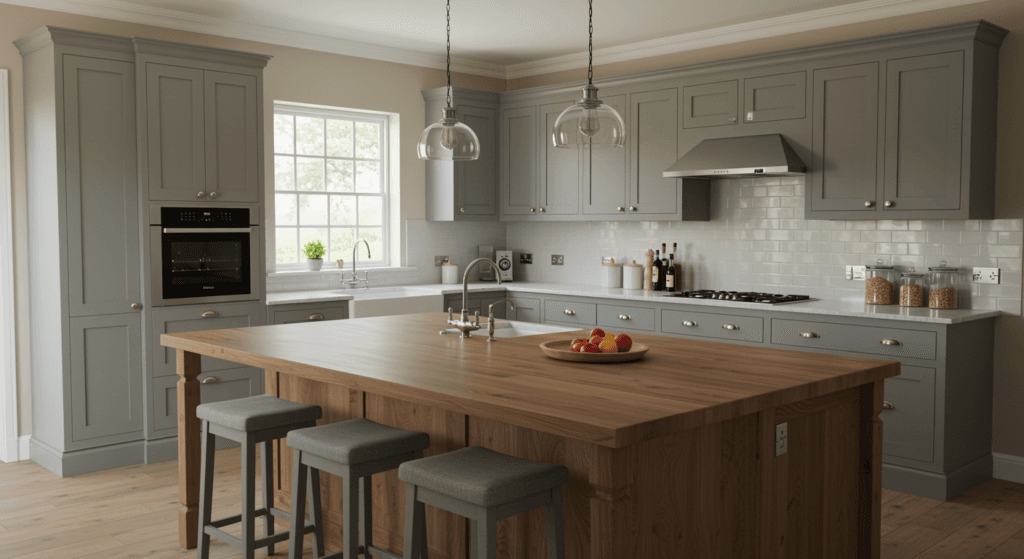

Kitchen hidden culprits slowly damage your countertops over time and cause stress. From sudden heat exposure and insufficient cabinet support to incorrect installation, these hidden elements undermine the structure without instant notification. Avoiding cracks and maintaining the beauty and longevity of your kitchen surfaces starts with an awareness of these underlying problems.
Kitchen Hidden Culprits 1: Poor Cabinet Support
Though mostly neglected yet lethal hidden perpetrator behind cracked counters, weak cabinet support frequently does harm long before homeowners become aware of anything being off. Countertops especially sturdy materials like granite, marble, and quartz rely totally on a stable, level, and well-constructed cabinet base to distribute their weight equally.
When cabinets are made of poor materials, mounted unevenly, or constructed badly, stress points begin to show under the surface. These pressure zones can be invisible at first, but over time they put steady strain on the countertop and create hairline cracks that gradually turn visible fractures. Frequently brought on by humidity exposure or inferior board materials, sagging, warped cabinets can cause the counter to flex beyond what sturdy materials are intended to withstand.
This problem becomes much more serious in areas surrounding sinks and cooktops where cut-outs already threaten the structural strength of the counter top. Without adequate cabinet bracing or sturdy support rails, these weak areas are considerably more prone to fracture under daily use. Bad cabinet levelling is another aggravating factor since even small height variations between cabinet units can cause uneven load distribution, hence necessitating the countertop to fill gaps it was never meant to traverse.
Over time, regular kitchen chores including organising appliances, leaning on countertops, or opening big drawers accumulate stress. Ultimately, no matter how beautiful the countertop material is, weak cabinet support underneath can subtly degrade it, thereby turning what should have been a long-term investment into an expensive and frustrating repair.
Kitchen Hidden Culprits 2: Incorrect Installation
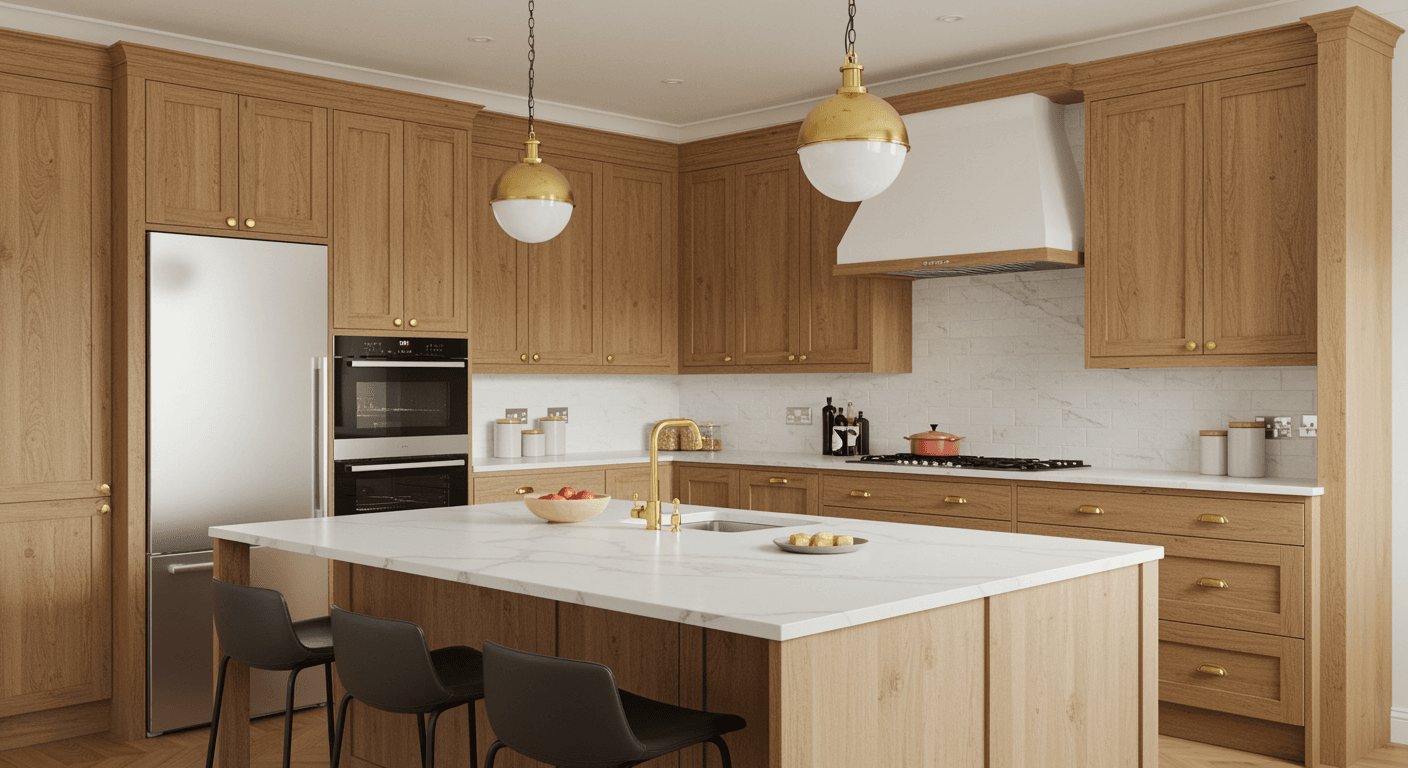
Wrong installation, sometimes a hidden problem found months after use is among the most neglected but damaging reasons for cracking kitchen countertops. Unbalanced weight distribution on fully level cabinets puts specific sections of the slab under pressure, therefore nearly guaranteeing cracks over time when countertops are not put in place.
Not allowing sufficient expansion gaps is another severe error. In response to temperature changes brought on by cooking, sunshine, and everyday kitchen activities, countertop surfaces naturally enlarge and contract. Inside pressure builds until the surface bursts without enough space around walls, backsplashes, or seams. Inefficient adhesive application is another often encountered issue as insufficient bonding or unequal glue coverage can leave hollow spots under the countertop, hence generating weak points that bend under pressure.
Moreover, using excessive pressure, mis handling slabs, or lifting them wrong during installation might cause micro fractures unnoticeable at first but amplified with regular usage. Cut-out areas for sinks, hob, and appliances are also very sensitive when installers fail to support them with supporting rails or reinforce them with backing materials.
Even little shortcuts like incorrectly positioned seams or hurried curing times can impair structural stability. Ultimately, subpar installation turns even great countertop materials into ticking time bombs, hence illustrating that in regard of crack avoidance, accuracy and craft are just as important as the material itself.
Kitchen Hidden Culprits 3: Mismatched Materials
Among the most ignored but destructive causes of split kitchen countertops are mismatched materials. Every material used in a kitchen — countertop, cupboards, backsplash, wall structure, even adhesives responds differently to variations in temperature, humidity, and daily wear.
Stressing accumulates under the surface when materials with different expansion and contraction rates are pressed together without enough space. Natural stone or quartz counters, for instance, enlarge and contract at a slower rate than wooden cabinets, cement screeds, or tiled backsplashes. The counter absorbs the pressure instead if installers tightly attach it to the cabinet or wall without expansion gaps or flexible joints. This internal strain shows itself as hairline fractures, corner cracks, or splits close to edges and joints over time.
In kitchens with changing heat and humidity, as in tropical countries, the problem is intensified since materials move more vigorously. Around sink cut-outs, islands, and wall intersections where movement is concentrated but usually badly supported — mismatched materials also create a serious problem. New countertops are occasionally added over already settled or moved old structures in renovation projects, hence generating an unequal stress foundation.
Though cracks might not show right away, the continuous push-and-pull among incompatible substances compromises the structural stability of the countertop. This underlying disagreement of materials quietly degrades durability — turning a very lovely kitchen surface into a long-term maintenance headache without correct design preparation, flexible sealants, and skilled installation methods.
Kitchen Hidden Culprits 4: Material Quality Issues
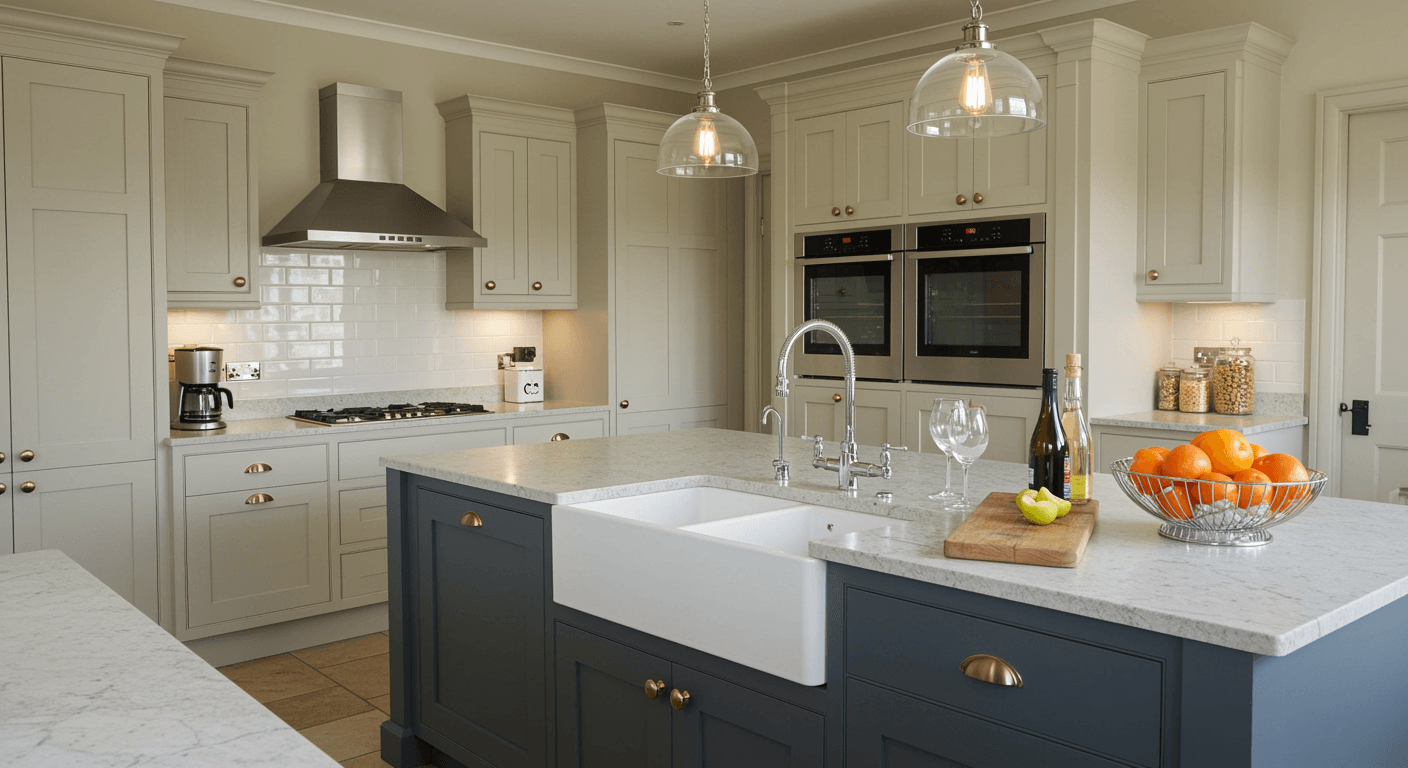
Material quality issues are among the most neglected yet detrimental concealed causes of cracking kitchen counters. Though a countertop might appear flawless from the outside, internal defects can significantly compromise its long-term durability.
Natural flaws, micro-cracks, or erratic mineral composition on low-grade stone slabs, for instance, might undermine the construction from within. Though they frequently remain unnoticed during selection, these errors can get over time under daily kitchen pressure. Bad resin distribution or poor manufacturing quality in engineered materials like quartz can produce brittle areas more prone to cracking, especially under heat or impact.
Another significant factor is improper curing during production, which decreases the material's flexibility and strength hence reducing its suitability to withstand normal expansion and contraction. In some situations, recycled or inferior fillers are used to reduce costs, hence compromising the countertop's integrity without obvious visible indications. Variations in slab thickness also play a role since thinner or unequally made parts are less weight-bearing friendly.
Often mistaken for wear and tear or installation mistakes, these material flaws show themselves over time as hairline cracks or sudden breaks. Investing in certified, high-quality countertop materials from reputable manufacturers is finally crucial since material faults are challenging if not impossible to repair once the countertop is installed, thus choosing quality becomes a main first line of defence against cracking.
Kitchen Hidden Culprits 5: Thermal Shock from Heat
One of the least recognised but very bad causes of broken kitchen surfaces is thermal shock from heat. On a counter, sudden temperature fluctuations cause the material to either shrink or grow too fast. This occasionally happens in busy kitchens where hot pots, baking sheets, air fryer baskets, or kettles sit immediately on the countertop without trivets or heat pads.
Although most homeowners think stone counters are heat-proof, materials like quartz are especially vulnerable since their resin binders can deteriorate or twist under extreme temperatures. Natural stones like granite or marble can have internal stress that causes hairline cracks that may not be readily noticeable but get worse over time, even if exposed to severe temperature changes.
Particularly near stoves, cooktops, and dishwashers — places where daily and erratic heat exposure occurs thermal shock is fairly typical. Adding cold water immediately after heat exposure—that is, near to a wet sink area or wiping a warm surface with a chilly, damp towel even further raises risk. Frequent heat exposure slowly degrades the structural integrity of the countertop, therefore making it more sensitive to obvious cracks and surface damage.
Many homeowners first notice the problem when cracks have already shown since thermal shock damage usually develops slowly and beneath the surface. Understanding how everyday cooking techniques produce thermal shock is necessary for avoiding early counter damage and maintaining long-term durability.