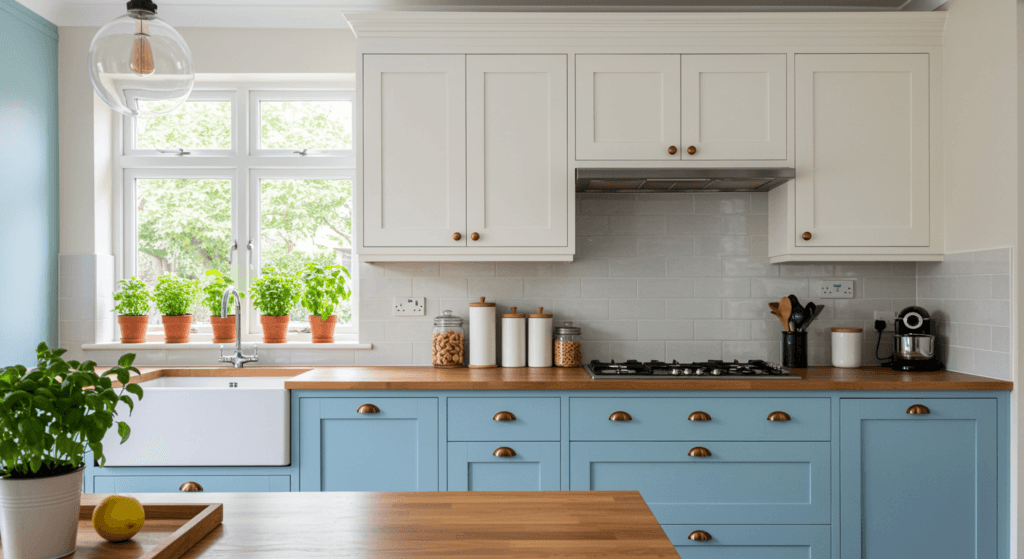

The most expensive kitchen mistakes usually include planning, hasty judgments, and preferring trends over usefulness. Homeowners often throw money on unsuitable supplies, pointless repairs, and mediocre designs not suited for their lifestyle. More foresight might have prevented the expensive repairs, replacements, or even full remodelling that resulted from these choices.
Most Expensive Kitchen Mistakes 1: Poor Kitchen Layout & Workflow
Among the most costly errors homeowners make are poor kitchen design and workflow, usually since the issues are not readily evident until daily use starts. On day one, a kitchen may seem amazing; nevertheless, if the positioning of the sink, stove, and refrigerator does not allow for a simple working flow, irritation fast grows.
Particularly in hectic homes, an inadequate work triangle makes homeowners take unneeded measures, lose time, and battle ongoing traffic. Frequent layout errors involve positioning the refrigerator too far from the preparation area, placing the sink away from the dishwasher, or building limited hallways that conflict with cabinet doors and appliances opened. Open-plan houses, where bad traffic flow lets people cut across cooking areas, increasing the chance of spills and mishaps, make these faults even more expensive.
Another often-missed problem is the absence of well-defined areas for cooking, dish storage, cleaning, and preparation. Homeowners sometimes make up for a lack of suitable zoning by installing extra cabinets, mobile islands, or even replacing appliances — expenses that could have been spared with better planning. The actual financial burden seems to be when homeowners opt for a design change because the kitchen is merely “unworkable.”
One of the most expensive fixes in kitchen remodelling, altering a layout typically entails moving electrical points, cabinetry, and sometimes walls as well as plumbing. In essence, a bad kitchen design transforms a large already investment into a space needing expensive alterations simply to operate, so wasting money.
Most Expensive Kitchen Mistakes 2: Choosing Style Over Durability
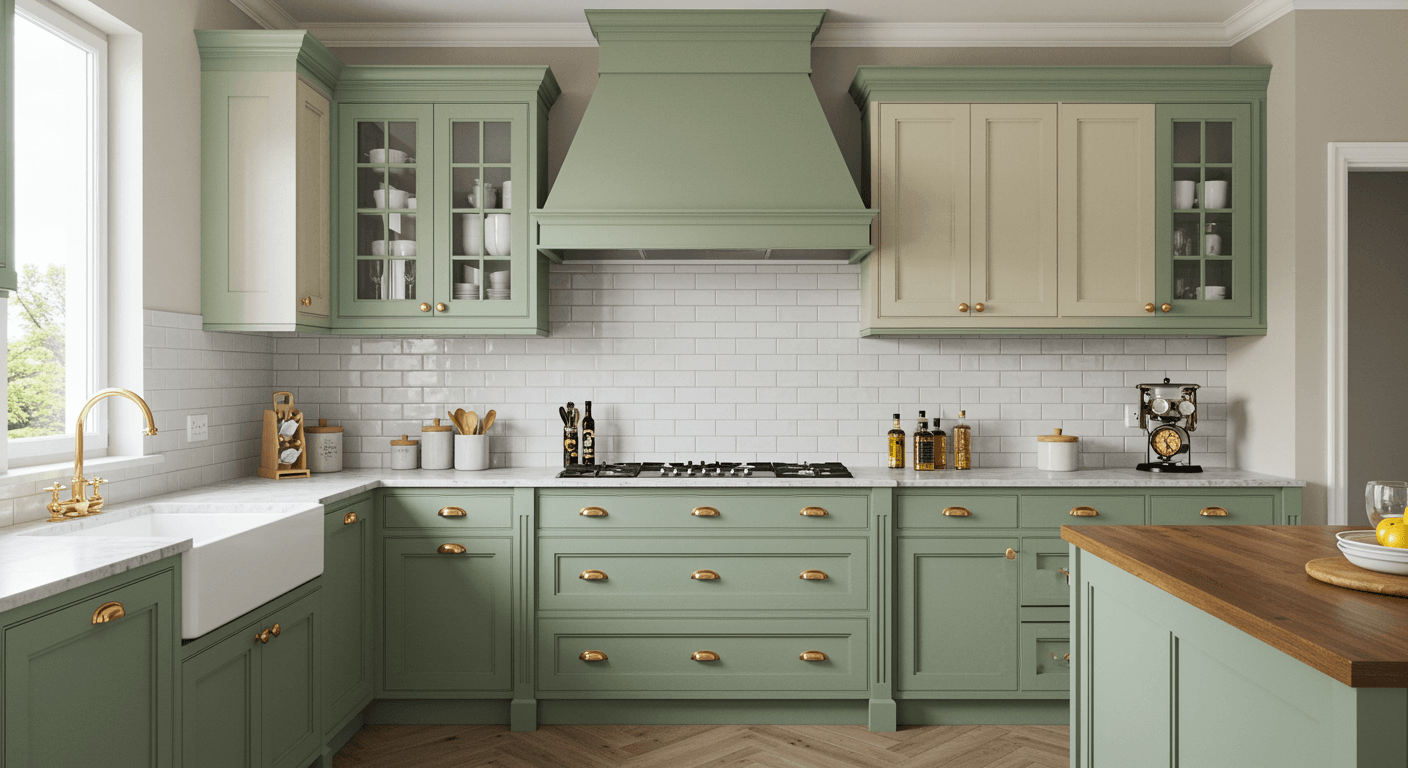
Choosing fashion over longevity, a decision that usually looks fantastic on day one but turns over time into a financial nightmare, is one of the most costly kitchen errors homeowners make. Many people gravitate to modern finishes, super-sleek materials, or inexpensive copies of premium designs without long-term performance in their race to create a Pinterest-perfect kitchen.
Though they photograph well, glossy cabinets that scratch easily, low-grade plywood that warps in humid conditions, or delicate counters that stain and chip under everyday use have trouble resisting the truths of a busy kitchen. Continuous exposure to heat, moisture, grease, and frequent cleaning hastens wear and tear, therefore aging these materials much more quickly than expected over time.
Starting as little peeling, fading, or surface damage, what starts as minor can rapidly spiral into pricey repairs or entire replacements — expensiveness much beyond the first “savings” from selecting less expensive or solely cosmetic options. Hardware is also a frequent casualty; fashionable but badly made hinges and drawer runners frequently fail in a few years, therefore compelling homeowners to replace whole systems only to recover basic function.
A kitchen built without longevity in mind finally trades short-term aesthetic appeal for durability. Smart kitchen investments balance attractiveness with toughness by giving materials and finishes able to endure daily wear top priority while still maintaining their appeal. Ignoring durability costs homeowners more over the long run, thereby making a design-driven decision among the most wasteful kitchen remodelling blunders.
Most Expensive Kitchen Mistakes 3: Wrong Countertop Choices
Not just their budget, but also their lifestyle should determine their choice of the best countertop material; homeowners make one of the most costly kitchen errors in this regard. One of the most frequently used surfaces in the kitchen, countertops are still chosen by many people solely for looks or for their conformity with trends.
Materials like marble or high-gloss finishes seem opulent, but for daily use they can be really impractical. Often needing regular sealing and special maintenance, porous surfaces stain readily and scratch under common food preparation. These concealed maintenance costs build over time and convert what was first a “premium” choice into a financial load. Choosing less expensive, subpar counters to save initially on the other extreme can be just as expensive.
Budget laminates can burn easily, peel, or expand from moisture — thus premature replacement. Another often committed error is overlooking the counter's interaction with the other components of the kitchen. Selecting the wrong thickness, edge shape, or colour can conflict with cabinets and appliances, leading homeowners to replace more parts than intended. Particularly in hectic family kitchens, heat resistance, cleanliness, and robustness are also usually neglected.
Frustration rises as countertops cannot accommodate daily cooking practices; replacement is therefore unavoidable. Wrong countertop choices ultimately cost money since they put visual appeal or short-term savings before long-term performance. Beginning with an investment in a surface that balances aesthetics, maintenance, and durability is far less expensive than later on replacing a complete countertop, paying for touch-ups, or for repairs.
Most Expensive Kitchen Mistakes 4: Cutting Corners on Electrical & Plumbing
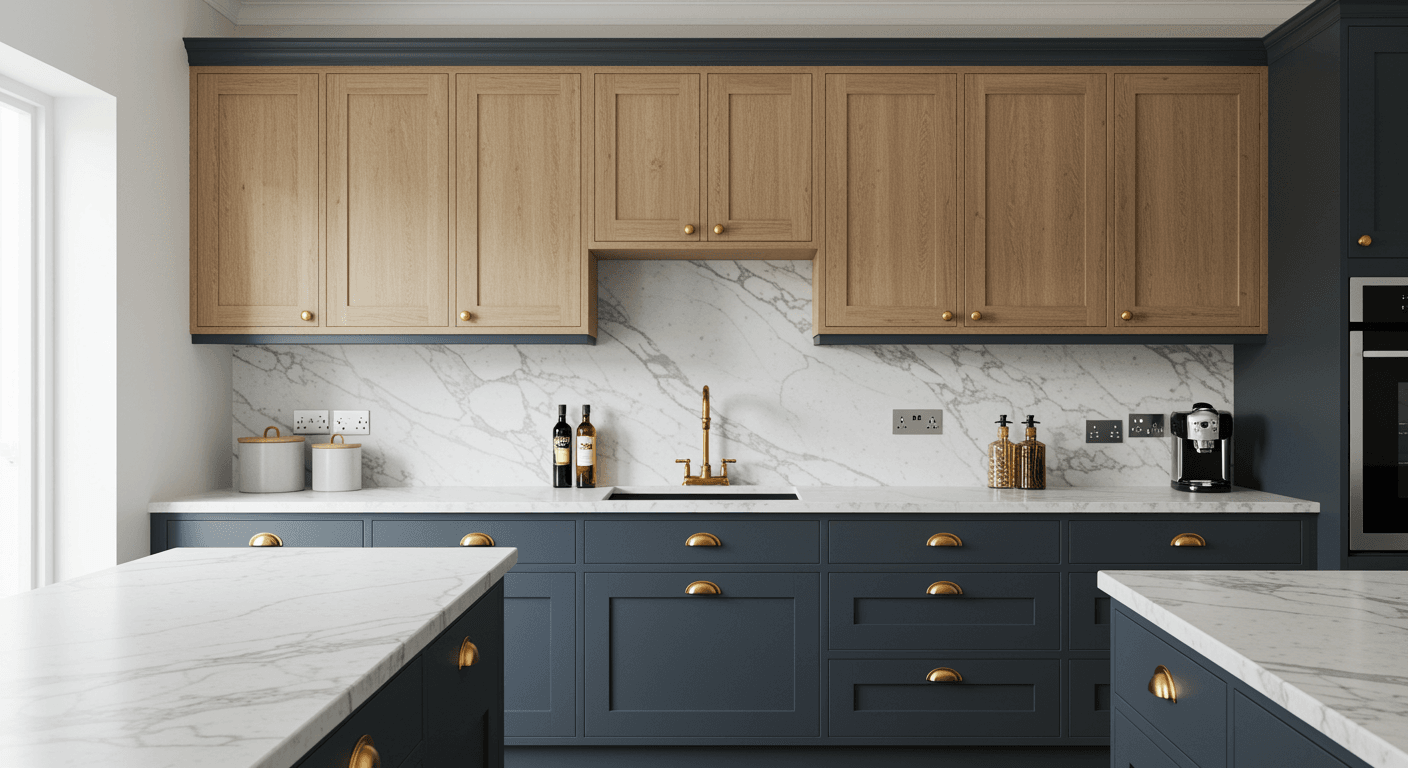
Among the most costly mistakes homeowners make even if occasionally done to save money are cutting corners on electrical and plumbing work. In tight kitchen settings, properly designed electrical, outlets, plumbing, and drainage are absolutely vital.
Too few outlets, incorrect wire choice, or bad plumbing among the basics missed; hence quick backfire may follow. Poor electrical design causes overworked circuits, tripped breakers, and limited appliance installation hence expensive later repairs are required. Incorrect plumbing leads to low water pressure, late drainage, hidden leaks, or premature pipe corrosion — all of which could only be found after finishing furniture and decor.
Normally including removal and replacement, resolving electrical or plumbing problems gets much more intrusive and expensive once counters, cabinets, and flooring have been put in. Some house owners want homemade solutions or hire unskilled labourers, therefore increasing the possibility of non-compliance with building regulations, water damage, and safety hazards. These issues could endanger not just finances but also the safety and lasting worth of the home.
What first appears to be a little decrease could grow into thousands spent on repairs, insurance claims, or overall system improvements. Funding professional-grade electrical and plumbing first helps to guarantee pipe routing, correct load capacity, and future-ready infrastructure. It enables your kitchen run safely and effectively, avoids unnecessary damage, and advances your long-term restoration plan for years to come.
Most Expensive Kitchen Mistakes 5: Poor Budgeting & No Contingency
One of the most costly kitchen errors homeowners make is inadequate budgeting without a fallback strategy; Often this turns a fascinating remodelling concept into a financial disaster. Many homeowners overlook hidden but vital expenses such electrical rewiring, plumbing improvements, structural repairs, and permit costs by setting a fixed budget only on visible elements such cabinets, countertops, and appliances.
The budget spirals rapidly out of control as these inevitable costs begin mid-renovation. Homeowners without a contingency fund — usually advised at 10–20% of the entire remodelling cost are pushed to decide swiftly, cut corners, or accept subpar materials and finishes. Once the kitchen is finished, this usually results in diminished strength, damaged utility, and remorse.
Insufficient planning also offers almost no flexibility for last-minute design changes, price swings, or late supplies — all of which are rather typical in kitchen projects. Thus, homeowners might halt the remodelling halfway, pay premium prices to speed up work, or incur additional labor charges from many changes. Over time, these financial mistakes could be far more costly than the initial restoration itself.
Worst situation: Homeowners pay double for the same area as they reconstruct some of the kitchen earlier than planned. A well-planned budget together with a realistic contingency fund ensures better long-term value, smarter material selections, and a kitchen that runs correctly without excessive cash depletion, as well as protecting against unwanted costs.