
Beyond kitchen efficiency, changing your workspace flow emphasises how movement, conduct, and layout combine to increase output. It produces natural zones that minimise decision fatigue and effort beyond device positioning. The end product is a kitchen that optimises output and performance while fitting flawlessly to actual needs.
Beyond Kitchen Efficiency 1: Understand Movement Pathways
Beyond kitchen efficiency, knowing movement pathways is a crucial component for greatest productivity because actual output is determined by human movement, not only by object placement. Every kitchen, commercial or residential, has invisible traffic patterns shaped by daily activities including preparing food, looking for utensils, cooking, serving, and cleaning.
When these pathways intersect or conflict, efficiency declines resulting in lost steps, physical weariness, and avoidable mistakes. By carefully recording and charting these cross-traffic spots, bottlenecks, and repetitive back-and-forth movements, designers can find those slowing down productivity. A well planned kitchen arranges work surfaces in a natural sequence, therefore minimising unnecessary movement as operations smoothly advance from one level to the next.
For example, positioning refrigeration close to preparation areas and aligning cooking stations around serving areas helps to reduce interruptions and sustain continuous momentum at busy times. Clear movement paths by lowering collision and spill hazards also improve safety, especially in busy kitchens where many users work concurrently. Apart from speed, perfect motion helps comfort and endurance, enabling customers to maintain consistent performance all day.
When movement routes are thoughtfully planned, the kitchen transforms into a dynamic system working in harmony with human behaviour. This shift from layout-driven design to movement-centred planning redefines kitchen efficiency, ensuring that every step taken helps directly to raise productivity, accuracy, and highest output instead of extraneous work.
Beyond Kitchen Efficiency 2: Task-Based Zones, Not Just Areas
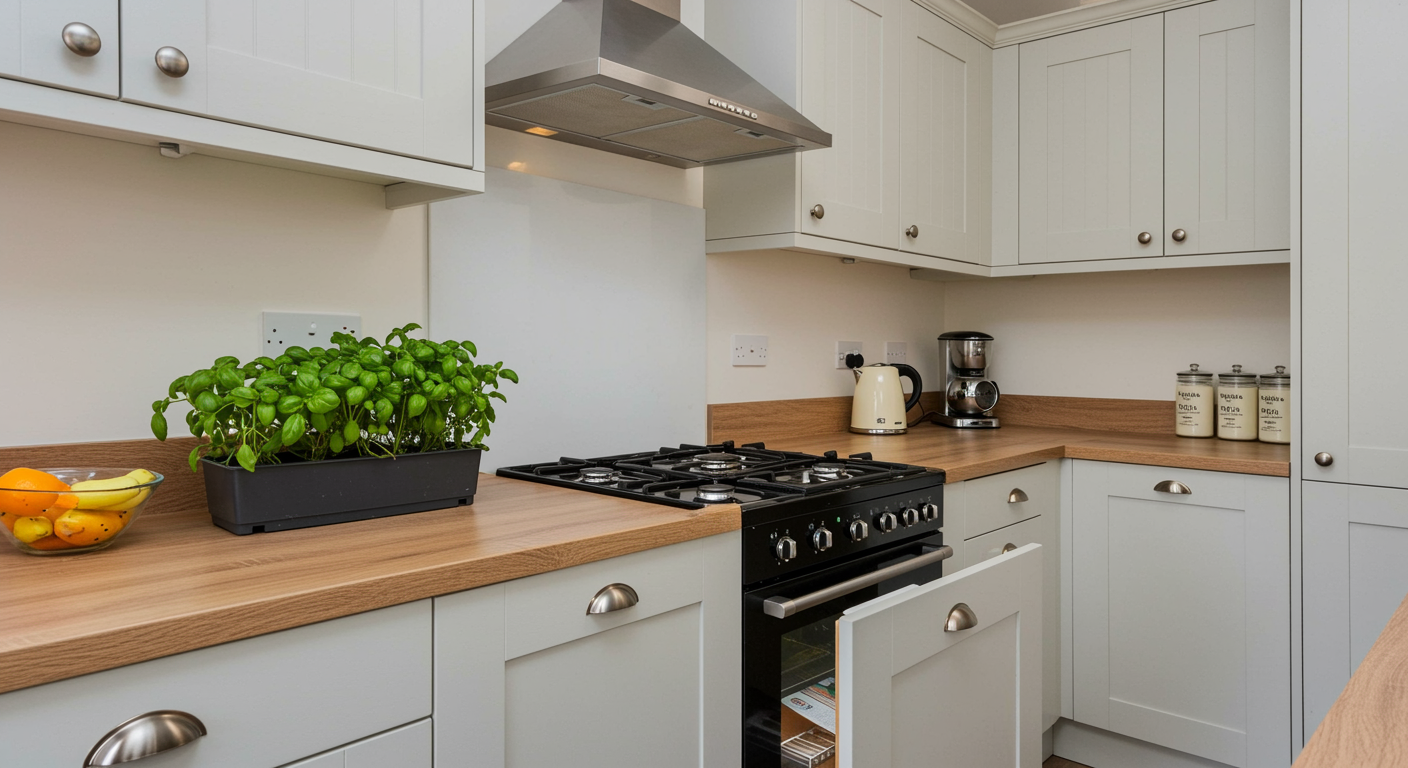
Task-based zones completely change the operation of the kitchen; they go much beyond the idea of merely partitioning it into broad areas. Task-based zoning organises the kitchen around certain actions — prepping, cooking, plating, cleaning, and storing so that each activity flows naturally into the next rather than thinking in terms of “cooking area” or “storage area.”
This approach reduces unnecessary movement, saves time spent searching for tools, and reduces the chance of errors in busy periods. For example, a well-planned prep area places cutting boards, cutlery, supplies, and rubbish bins within arm's reach so tasks are completed in one continuous action. Similarly, a cooking area linking heating sources, spices, and cookware promotes faster transitions from preparation to actual execution.
Because users naturally know where to go and which tools are available for each step of the process, task-based zones lower mental load. This transparency in shared or high-output kitchens helps to prevent congestion and overlap, therefore allowing many people to collaborate simultaneously without upsetting one other. Beyond speed, zoning encourages consistent and quality by means of reproducible processes — indispensable in both home and business settings.
When every room is designed to meet a particular demand, the kitchen is simpler to keep up, more secure, and more instinctive. Task-based zones at last transform the kitchen from a static arrangement into a dynamic system where every motion, surface, and storage decision is coordinated with how work is actually completed, therefore maximising output with little effort.
Beyond Kitchen Efficiency 3: Ergonomics = Efficiency + Comfort
Ergonomics—which also helps to improve comfort and efficiency as a space created for the human body naturally performs better is one of the main forces motivating rethinking kitchen methods for peak production. Ergonomic design beyond equipment placement studies posture, range, mobility, and physical effort throughout regular cooking activities.
Countertop heights suitable for the user's normal working stance help to lessen shoulder and back tension, hence enabling faster and more precise performance of chores including slicing, mixing, and plating. Frequently utilised tools and supplies maintained nearby could help to lessen repeated bending, stretching, and unnecessary steps, therefore slowly depleting energy over time. Pull-out drawers, soft-close systems, and vertical storage solutions enhance access while preserving tidy desk surfaces.
Anti-fatigue mats or cushioned surfaces help to lessen joint strain throughout extended preparation sessions, therefore conserving energy and concentration. Hence, selections in flooring are equally quite important. Though often overlooked, layered illumination guarantees appropriate lighting of prep areas, cooking stations, and cleansing bays, hence affecting ergonomics by lowering eye strain and straight raising task accuracy. By making motion natural rather than forced, an ergonomically designed kitchen minimises errors, accelerates speed, and enhances overall workflow rhythm.
First and foremost, comfort fosters consistency; less physical exertion lets consumers keep top performance for more time. By turning the kitchen from a purely practical area into one propelled by productivity, ergonomics transforms it from one kept only by effort alone into one guided by wise, human-centred design.
Beyond Kitchen Efficiency 4: Behaviour-Driven Design
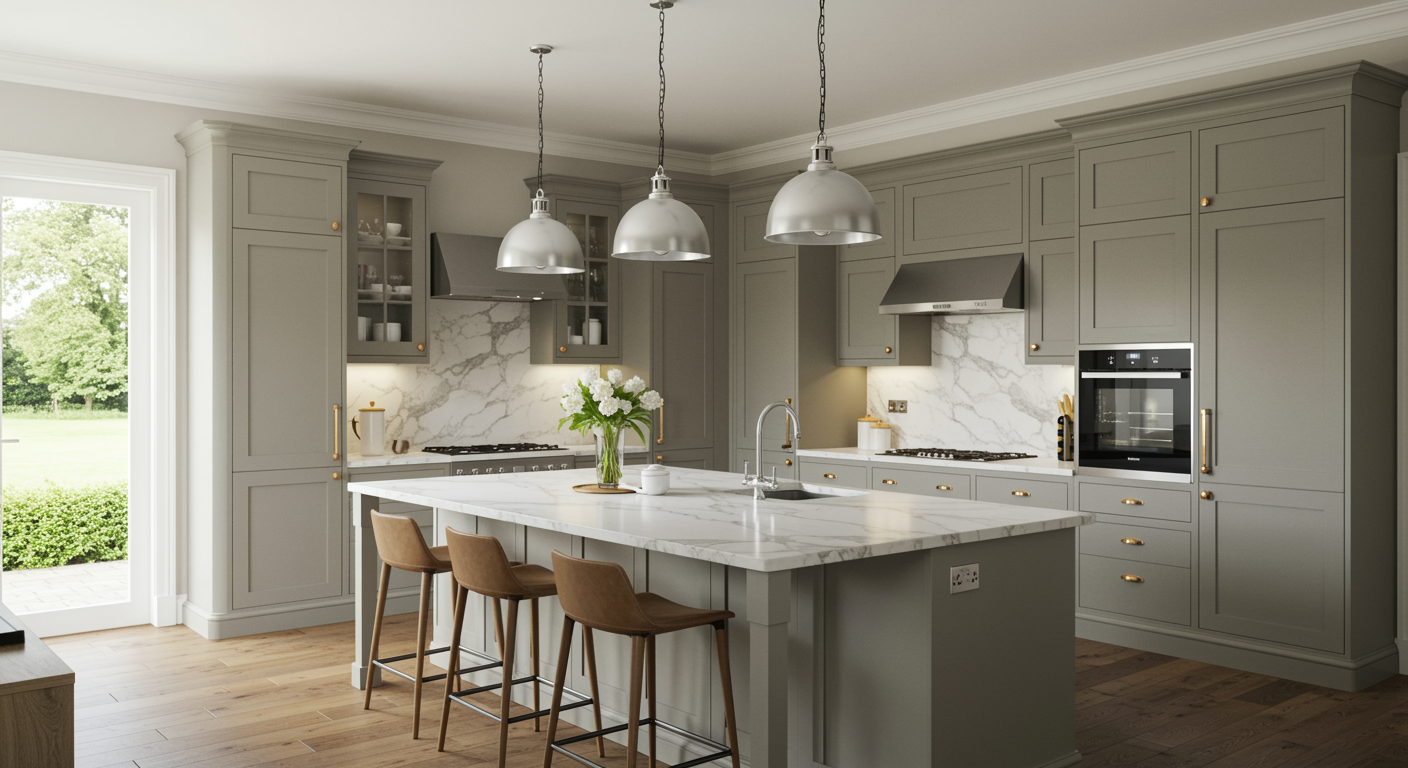
Rather than making people fit a fixed design, behaviour-driven design considers how they naturally move, think, and engage inside the room that is, beyond conventional kitchen planning. This method begins with watching actual habits where consumers instinctively put ingredients, how often they reach for particular tools, and which areas usually turn into congestion spots during maximum productivity when trying to rethink kitchen workflow.
Arranging the kitchen around these habits makes efficiency natural rather than mandated. Regularly used tools near arm's length, for instance, lessen repetitive movement; well-defined visual cues such as light colour zoning or open shelving help consumers immediately spot task areas without intentional effort.
Furthermore reducing cognitive burden, behaviour-driven design lets cooks or consumers concentrate on execution rather than decision-making, which is particularly important in stressful settings like commercial kitchens. By arranging linked features in coherent sequences, it promotes more task transitions and supports organic workflows like prep-to-cook-to-serve. Furthermore, this approach allows several users by projecting expected interaction patterns, hence lowering miscommunication and cross-traffic.
A behaviour-driven kitchen changes over time to fit its users, therefore producing a space that seems sensitive and efficient instead of limited. Kitchens that are designed around actual human behaviour may have more output, fewer errors, and increased user comfort—showing that actual efficiency depends on knowledge of how people actually function within the space rather than on layout or equipment.
Beyond Kitchen Efficiency 5: Flexible & Modular Design
Going beyond rudimentary kitchen efficiency and into genuinely optimised workflow depends on flexible and modular design. Rather than pinning a kitchen into one fixed arrangement, this method lets the room change to meet shifting demands, workloads, and work styles.
In high-output kitchens — both domestic and commercial needs seldom stay constant all through the day. Modular design enables rapid rearrangement of prep zones, storage, and work surfaces, hence guaranteeing that the arrangement constantly supports the current assignment. For instance, during rush times, mobile preparation islands could be placed closer to culinary areas then pushed aside to make way for additional floor space.
Adjustable shelving and modular cabinets let equipment and ingredients be arranged according to frequency of usage, therefore minimising needless movement and time taken looking. Only when needed, foldaway or extendable countertops provide worthwhile work surface, therefore avoiding mess during slower times. This flexibility also helps team-based processes, allowing several users to collaborate concurrently without slowing.
Beyond regular operations, flexible design protects the kitchen by allowing for new appliances, menu changes, or changing cooking habits without necessitating a whole remodelling. Flexible and modular design turns the kitchen from a static place into a responsive system — one that maximises output, minimises friction, and supports efficiency even as demands grow and change by letting the space respond dynamically to actual use.